Personalized Introduction
There are some dinners that simply feel like home, and stuffed cabbage rolls are definitely one of them for me. Maybe it is the tender cabbage, the savory meat and rice filling, or that rich tomato sauce bubbling around every roll. Whatever it is, this is the kind of meal that makes the kitchen smell amazing and gets everyone interested in what is coming out of the oven.
Have you ever looked at a head of cabbage and wondered what you could possibly do with it besides making coleslaw? I have, and stuffed cabbage rolls are one of my favorite answers. With a little preparation, an ordinary cabbage becomes a soft, flavorful wrapper for a hearty filling.
What I especially love about this recipe is that it feels like a special family dinner without requiring fancy ingredients. You need cabbage, ground beef, rice, onion, garlic, tomatoes, and a few seasonings. Most of the ingredients are simple pantry and refrigerator staples.
Stuffed cabbage rolls are also wonderfully adaptable. Versions of the dish appear across many culinary traditions, including Eastern European, Middle Eastern, and Japanese home cooking. The fillings, sauces, spices, and cooking methods can vary greatly from one culture to another. :contentReference[oaicite:0]{index=0}
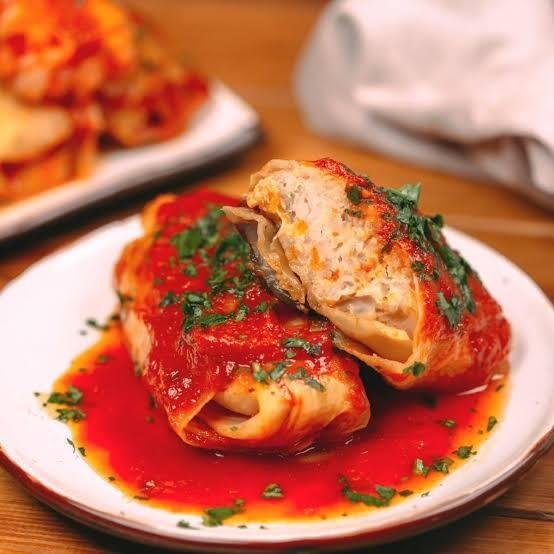
Today, I am sharing a comforting tomato-sauced version made with ground beef and rice. The cabbage leaves are softened until flexible, filled with a seasoned beef-and-rice mixture, rolled up snugly, covered with tomato sauce, and baked until tender.
It is cozy, filling, and exactly the kind of dinner I want when I am craving something homemade.
Recipe Origin & Story
Stuffed cabbage is one of those wonderful dishes that does not belong to just one kitchen. Different versions have been enjoyed across Eastern Europe, the Middle East, Asia, and other regions, with families developing their own fillings and sauces over generations.
In Ashkenazi Jewish cooking, stuffed cabbage is particularly associated with family recipes and is often prepared with a tomato-based sauce. The Jewish Food Society notes that stuffed cabbage recipes are among the recipes that repeatedly appear in its family archive, with many variations featuring tomato sauce and different sweet or savory touches. :contentReference[oaicite:1]{index=1}
In Lebanon, a version called malfouf uses cabbage leaves filled with rice and ground beef and cooked with garlic, lemon, and spices. :contentReference[oaicite:2]{index=2}
There are also Hungarian versions, Japanese versions, and countless family recipes that have been passed from one generation to another. The Smithsonian’s Folklife Festival has documented a Hungarian-style töltött káposzta featuring cabbage, meat, rice, paprika, tomato juice, and other traditional ingredients. :contentReference[oaicite:3]{index=3}
That history is part of what makes stuffed cabbage so special to me. It is not just one recipe. It is a cooking idea that has traveled through families and cultures, changing a little along the way.
My version keeps things simple and approachable. The filling is savory and tender, the cabbage becomes wonderfully soft, and the tomato sauce adds just enough acidity and sweetness to bring everything together.
Ingredient Spotlight
- Main Star: Fresh green or Savoy cabbage creates the tender wrapper around the beef-and-rice filling. Savoy cabbage is especially easy to roll because its leaves become flexible after blanching.
- Secret Boost: Worcestershire sauce, smoked paprika, garlic, and a little Italian seasoning give the beef filling extra savory depth without making the recipe complicated.
- Quality Tips: Choose a cabbage that feels heavy for its size with firm, fresh leaves. Use fresh onions and garlic, good-quality canned tomatoes, and ground beef with enough fat to keep the filling moist.
Cabbage: The cabbage needs to be softened before rolling. Boiling or blanching the leaves makes them flexible enough to wrap around the filling without immediately cracking. This is a common technique in stuffed cabbage recipes. :contentReference[oaicite:4]{index=4}
Ground beef: I prefer ground beef with moderate fat because very lean beef can produce a drier filling. You can also use a combination of beef and pork for a richer result.
Rice: Rice helps stretch the filling and gives the rolls their soft, comforting texture. Depending on the recipe, rice may be partially cooked or used uncooked so it finishes cooking inside the rolls. :contentReference[oaicite:5]{index=5}
Tomatoes: Crushed tomatoes create the foundation of the sauce. As the rolls bake, the tomato sauce soaks into the cabbage and filling, creating wonderful flavor.
Onion and garlic: These two ingredients provide the savory foundation. Cooking the onion before mixing it with the beef makes the filling sweeter and more flavorful.
Nutritional Benefits
Stuffed cabbage rolls can make a satisfying, balanced family meal because they combine protein, vegetables, and carbohydrates in one dish.
Ground beef provides protein, iron, zinc, and vitamin B12, while cabbage contributes fiber, vitamin C, vitamin K, and other nutrients. Rice supplies carbohydrates that help make the meal filling.
The tomato sauce also contributes flavor and nutrients without requiring a heavy cream-based sauce.
If you want to increase the vegetable content, add finely chopped mushrooms, carrots, bell peppers, or zucchini to the filling. You can also serve the rolls with a fresh green salad or steamed vegetables.
For a lighter version, use lean ground beef and increase the amount of cabbage and vegetables while keeping the cheese and added fats minimal.
Adaptable Variations
- Dietary Swaps: Use gluten-free breadcrumbs if your filling recipe includes them, choose certified gluten-free Worcestershire sauce if needed, or replace the beef with ground turkey, chicken, or a plant-based ground alternative.
- Flavor Twists: Add smoked paprika, dill, parsley, red pepper flakes, cumin, oregano, or a pinch of cinnamon depending on the flavor profile you want.
- Seasonal Spins: Add mushrooms and root vegetables in autumn, fresh herbs in spring, tomatoes and zucchini during summer, or hearty carrots and potatoes during winter.
You can also change the filling depending on what your family likes.
For a richer version, combine ground beef and ground pork. For a lighter dinner, use ground turkey. For extra vegetables, add finely chopped mushrooms, carrots, zucchini, or bell pepper.
If you enjoy spicy food, add crushed red pepper flakes or a chopped jalapeño to the tomato sauce.
For a brighter version, finish the finished rolls with fresh parsley and a small squeeze of lemon.
You can even turn the recipe into a vegetarian meal by replacing the meat with a mixture of rice, lentils, mushrooms, beans, and finely chopped vegetables.
The basic idea stays the same: soften the cabbage, prepare a flavorful filling, roll everything neatly, cover with sauce, and cook until tender.
Cooking Science Explained
Why do we blanch the cabbage? Raw cabbage leaves are stiff and brittle. Heating them softens their structure and makes them flexible enough to wrap around the filling without tearing. Recipes from Food Network and Oregon State University Extension both use boiling or blanching to soften cabbage leaves before rolling. :contentReference[oaicite:6]{index=6}
Why is the tough rib removed? The thick center rib at the bottom of a cabbage leaf can make rolling difficult. Trimming it creates a flatter, more flexible leaf that folds much more easily. :contentReference[oaicite:7]{index=7}
Why do the rolls cook in tomato sauce? The sauce keeps the cooking environment moist while adding flavor. As the cabbage and filling cook, they absorb some of the tomato sauce, making the finished dish juicy and savory.
Why should the rolls be placed seam-side down? This helps keep them securely closed during cooking. Once the filling begins to cook and expand, the roll stays together more easily when the folded edge is underneath.
And here is a little trick I love: do not pack the filling too tightly. Rice expands as it cooks, so the filling needs a little room. A moderately filled cabbage leaf will cook more evenly and is less likely to split.
Easy, Step-by-Step Recipe
Ingredients
- 1 large head green or Savoy cabbage
- 1 pound ground beef
- 1/2 cup uncooked long-grain white rice
- 1 medium yellow onion, finely diced
- 3 cloves garlic, minced
- 1 large egg
- 1 teaspoon smoked paprika
- 1 teaspoon Italian seasoning
- 1 teaspoon salt
- 1/2 teaspoon black pepper
- 1 tablespoon Worcestershire sauce
- 2 tablespoons chopped fresh parsley
- 2 tablespoons olive oil
- 1 can (28 ounces) crushed tomatoes
- 1 cup beef broth
- 1 tablespoon tomato paste
- 1 teaspoon sugar, optional
- 1 teaspoon dried oregano
- 1 bay leaf
- 1/2 teaspoon salt, for the sauce
- 1/4 teaspoon black pepper, for the sauce
- Fresh parsley or dill, for garnish
Instructions
- Prepare the cabbage: Bring a large pot of lightly salted water to a boil. Carefully cut out the hard core from the bottom of the cabbage.
- Soften the leaves: Carefully place the cabbage head into the boiling water. As the outer leaves soften, use tongs to gently remove them one at a time. Continue until you have around 12–16 usable leaves. This boiling method is commonly used to make cabbage leaves flexible for rolling. :contentReference[oaicite:8]{index=8}
- Cool the leaves: Transfer the softened leaves to a plate or bowl and allow them to cool enough to handle. Pat them dry with paper towels.
- Trim the ribs: Use a small knife to carefully shave down the thick bottom rib of each cabbage leaf. You do not need to cut the entire rib away—just flatten the thickest section.
- Prepare the onion: Heat olive oil in a skillet over medium heat. Add the diced onion and cook for about 5–7 minutes until softened.
- Add garlic: Stir in the minced garlic and cook for about 30 seconds until fragrant.
- Make the filling: In a large bowl, combine the ground beef, uncooked rice, cooked onion and garlic, egg, smoked paprika, Italian seasoning, salt, black pepper, Worcestershire sauce, and fresh parsley.
- Mix gently: Use your hands or a fork to combine the filling just until everything is evenly distributed. Avoid aggressively packing or kneading the meat.
- Make the tomato sauce: In a saucepan, combine crushed tomatoes, beef broth, tomato paste, oregano, bay leaf, salt, pepper, and optional sugar. Bring to a gentle simmer and cook for about 10–15 minutes.
- Prepare the baking dish: Preheat the oven to 350°F (175°C). Spoon about 1 cup of tomato sauce into the bottom of a large baking dish.
- Fill the cabbage: Lay one cabbage leaf flat. Place approximately 1/4 cup of filling near the lower center of the leaf. Do not overfill it because the rice needs room to expand.
- Fold the leaf: Fold the bottom edge over the filling, fold both sides inward, and roll upward tightly until you have a neat little package.
- Arrange the rolls: Place each cabbage roll seam-side down in the baking dish. Continue until all the filling and leaves have been used.
- Add sauce: Pour the remaining tomato sauce over the cabbage rolls, making sure most of them are covered.
- Cover and bake: Cover the baking dish tightly with foil or a lid. Bake for about 60 minutes.
- Check for doneness: Carefully uncover the dish. The cabbage should be tender and the filling fully cooked. For ground beef filling, use a food thermometer and make sure it reaches at least 160°F. Oregon State University Extension also recommends an internal temperature of 160°F for stuffed cabbage rolls. :contentReference[oaicite:9]{index=9}
- Finish cooking: If desired, return the uncovered dish to the oven for another 10–15 minutes so the sauce thickens slightly and the tops become more flavorful.
- Rest: Let the cabbage rolls rest for about 10 minutes before serving. This gives the filling time to settle and makes the rolls easier to serve.
- Garnish and serve: Sprinkle with fresh parsley or dill and spoon extra tomato sauce over each roll.
Do not worry if your first few cabbage rolls look a little imperfect. Mine certainly do! The important thing is to keep the filling contained and roll the leaves securely.
As you make more rolls, you will quickly find your rhythm. Place the leaf down, add the filling, fold the sides, roll it forward, and place it seam-side down.
If a leaf tears, do not throw it away. Use another cabbage leaf underneath it or patch the tear with a small piece of another softened leaf.
And if you have a few small cabbage leaves left over, chop them up and add them to the bottom of the baking dish. They will cook in the tomato sauce and become delicious.
Practical & Valuable Tips
- Storage: Refrigerate cooked cabbage rolls in an airtight container with some tomato sauce for up to about 4–5 days. The Jewish Food Society notes that one family version keeps refrigerated for up to five days. :contentReference[oaicite:10]{index=10}
- Serving Ideas: Serve with crusty bread, mashed potatoes, rice, a cucumber salad, green salad, or a dollop of sour cream.
- Substitutions: Use ground pork, turkey, chicken, or a beef-and-pork combination. You can also replace white rice with cooked brown rice or another suitable grain.
One of my favorite tips is to prepare the sauce before assembling the rolls. It makes the whole process feel much more organized.
If you want especially tender cabbage, make sure the leaves are flexible before you start rolling. If they still feel stiff, return them to the hot water for another minute or two.
Do not make the rolls too large. Smaller rolls cook more evenly and are much easier to serve.
Also, resist the temptation to cut into one immediately after it comes out of the oven. The filling will be extremely hot, and giving the rolls a few minutes to rest helps them hold their shape.
Make-Ahead & Batch-Cooking
Stuffed cabbage rolls are fantastic for make-ahead cooking. In fact, this is one of those recipes I often prefer to prepare in advance.
You can soften the cabbage leaves, prepare the filling, make the tomato sauce, and assemble the rolls earlier in the day. Cover the baking dish and refrigerate it until you are ready to cook.
If you do this, take the dish out of the refrigerator while the oven preheats so it is not going directly from a very cold refrigerator into a hot oven, particularly if using a glass baking dish.
You can also prepare a large batch and freeze the cooked rolls. Place them in freezer-safe containers with plenty of sauce so they stay moist during reheating.
Leftovers are especially good the next day because the flavors have had more time to mingle.
If you have leftover cabbage that was not suitable for rolling, do not throw it away. Chop it and use it in soup, stir-fry, fried rice, or a simple cabbage skillet. Oregon State University Extension specifically suggests using remaining cabbage in salads, soups, or stir-fries. :contentReference[oaicite:11]{index=11}
Eco-Friendly Kitchen Hacks
- Use the entire cabbage instead of discarding the smaller leaves and trimmed pieces.
- Turn leftover cabbage into soup, stir-fry, salad, or fried rice.
- Save extra tomato sauce for pasta, meatballs, or another dinner.
- Cook a double batch and freeze half for a future family meal.
- Use reusable food-storage containers for leftovers instead of disposable bags.
- Combine your cooking steps to reduce oven and stovetop use where practical.
I especially like the idea of turning the leftover cabbage pieces into another meal. There is no reason to waste those perfectly good vegetables.
You can also save the cabbage cooking water for soup if it is clean and appropriately seasoned. And if you have extra tomato sauce, freeze it in a small container and use it later for pasta or meatballs.
Batch cooking is another easy way to make this recipe more practical. Making two pans takes more effort than making one, but the second pan can save you a lot of work on a busy evening later.
Pairing Suggestions
- Beverages: Sparkling water with lemon, iced tea, lemonade, apple cider, or a simple herbal tea.
- Sides & Sauces: Crusty bread, mashed potatoes, cucumber salad, roasted vegetables, green salad, sour cream, or extra tomato sauce.
A warm piece of crusty bread is one of my favorite things to serve with stuffed cabbage rolls because you can use it to soak up every bit of tomato sauce.
For a lighter plate, add a crisp cucumber salad with vinegar and fresh dill. The cool, crunchy vegetables make a wonderful contrast to the warm cabbage rolls.
If you enjoy creamy flavors, serve a small spoonful of sour cream on top. Sour cream is a classic companion to several Eastern European cabbage-roll traditions. The Smithsonian’s Hungarian example, for instance, recommends serving stuffed cabbage with crusty country bread and sour cream. :contentReference[oaicite:12]{index=12}
You can also keep things simple with a green salad dressed with lemon juice, olive oil, salt, and pepper.
Frequently Asked Questions
- Do I have to boil the cabbage before making cabbage rolls?
Yes, I strongly recommend softening the leaves first. Boiling or blanching makes them flexible enough to roll without breaking. You can also use alternative softening methods, including freezing and thawing the cabbage, depending on the recipe. :contentReference[oaicite:13]{index=13} - What kind of meat is best for stuffed cabbage rolls?
Ground beef is a simple and delicious choice. You can also use ground pork, turkey, chicken, lamb, or a combination. Different cultures and family recipes use different meats. :contentReference[oaicite:14]{index=14} - Should I cook the rice before putting it in the cabbage rolls?
It depends on the recipe. Some versions use uncooked rice that cooks inside the rolls, while others use partially or fully cooked rice. If you use uncooked rice, make sure there is enough liquid and room for the rice to expand. :contentReference[oaicite:15]{index=15} - Can I make stuffed cabbage rolls ahead of time?
Absolutely. You can assemble them ahead and refrigerate them before baking, or cook them completely and reheat them later. They also freeze well when stored with plenty of sauce.
Call to Action
If you are looking for a cozy family dinner that feels homemade from the very first bite, I hope you try these stuffed cabbage rolls.
They may take a little more hands-on work than a quick skillet meal, but I promise that the process becomes much easier once you get comfortable with rolling the cabbage leaves.
Put on some music, prepare your sauce, soften your cabbage, and make it a relaxed cooking project. You do not have to rush.
And when those little cabbage rolls come out of the oven surrounded by bubbling tomato sauce, you will understand why this dish has remained a favorite across so many families and food traditions.
Save this recipe for a cozy weekend dinner, family gathering, holiday meal, or anytime you want something hearty and comforting.
If you make them, share your version on Pinterest or social media and tell me what you changed. Did you use beef and pork? Add extra garlic? Make the sauce spicy? Serve them with sour cream?
I would love to see how you make this classic comfort food your own.
Bonus: Your Kitchen Notes
This is your space to write down the little changes that make your cabbage rolls perfect for your family.
Your kitchen note: Record your favorite cabbage variety, meat combination, rice amount, sauce seasoning, and cooking time.
If you like a sweeter tomato sauce, add a small amount of sugar. If you prefer something tangy, add a splash of vinegar or lemon juice. If you love herbs, add fresh parsley, dill, or oregano.
You can also keep a note about the cabbage itself. Some heads produce larger leaves that are perfect for big rolls, while others have smaller leaves that work better for smaller individual portions.
Do not worry if the rolls are not identical. Homemade food does not need to look factory-perfect. A few large rolls, a few small rolls, and a little extra sauce around the edges are all part of the charm.
If you have children helping you, rolling the cabbage can even become a fun kitchen activity. Just make sure the filling stays refrigerated until you are ready to cook and that the finished beef filling reaches a safe internal temperature.
And if you end up with extra filling, do not throw it away. Shape it into small meatballs or patties and cook them separately. You can serve them with the remaining tomato sauce.
That is one of the things I love about recipes like this: there is always a way to use what you have.
Stuffed cabbage rolls are more than cabbage, meat, and rice. They are the kind of meal that encourages you to slow down and enjoy the process. They remind me that some of the best family dinners are not the ones that come together in ten minutes. They are the ones where you take your time, fill the kitchen with wonderful smells, and eventually sit down to a meal everyone is excited to eat.
So soften those cabbage leaves, prepare that savory filling, and spoon plenty of tomato sauce over the top.
Then let the oven do its work.
Because when tender cabbage, seasoned beef and rice, and rich tomato sauce come together in one comforting dish, you get the kind of family dinner that feels like home.