Personalized Introduction
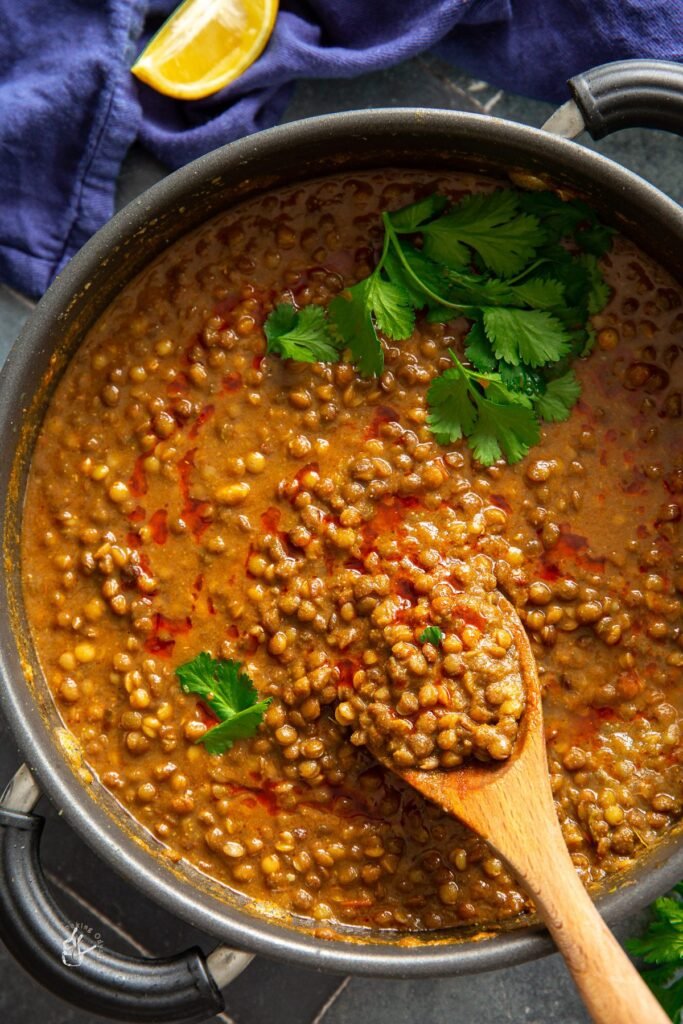
If you’re looking for a comforting, nutritious, and budget-friendly meal, this Sabut Masoor Dal Recipe is a wonderful choice. Made with whole brown lentils, aromatic spices, onions, tomatoes, garlic, and ginger, this classic Indian-inspired dish is rich in flavor while being simple enough for everyday cooking. Every spoonful is hearty, satisfying, and perfect with steamed rice or warm flatbread.
The first time I made Sabut Masoor Dal, I was amazed by how a handful of pantry staples transformed into such a comforting meal. As the lentils simmered with fragrant spices, the kitchen filled with an irresistible aroma that made everyone eager for dinner.
One of the best things about this recipe is its versatility. It can be prepared on the stovetop, in a pressure cooker, or in an Instant Pot, making it perfect for busy weeknights or relaxed family dinners.
Whether you’re cooking for your family, meal prepping for the week, or simply craving wholesome comfort food, this Sabut Masoor Dal is sure to become a favorite.
Recipe Origin & Story
Sabut Masoor Dal, which means whole brown lentils, has been enjoyed throughout the Indian subcontinent for generations. Unlike split lentils, whole masoor retains its outer skin, giving the dish a hearty texture and rich, earthy flavor.
This nourishing dal is commonly prepared in homes because it’s affordable, protein-rich, and incredibly satisfying. Every region adds its own unique blend of spices, creating countless delicious variations.
Today, Sabut Masoor Dal remains a staple comfort food served with rice, roti, naan, or jeera rice, making it a wholesome meal for any day of the week.
Every time I prepare this recipe, it reminds me that simple ingredients and traditional spices can create unforgettable homemade meals.
Ingredient Spotlight
- Main Star: Whole brown lentils (Sabut Masoor) provide a rich, earthy flavor and satisfying texture.
- Flavor Base: Onion, garlic, ginger, and tomatoes create the classic aromatic foundation.
- Essential Spices: Turmeric, cumin, coriander, garam masala, and red chili powder bring warmth and depth.
- Quality Tips: Use fresh ginger, ripe tomatoes, and high-quality whole spices for the best flavor.
Nutritional Benefits
Whole brown lentils are an excellent source of plant-based protein, dietary fiber, iron, and folate, making them both filling and nutritious.
The combination of garlic, ginger, and spices adds not only bold flavor but also natural antioxidants.
Preparing dal at home allows you to control the amount of oil, salt, and spice while enjoying wholesome ingredients.
Served with rice or whole wheat roti, this dish creates a balanced and satisfying meal.
Adaptable Variations
- Spicy Version: Add extra green chilies or additional red chili powder.
- Creamy Version: Stir in a splash of coconut milk or a spoonful of cream before serving.
- Vegetable Version: Add spinach, carrots, peas, or diced sweet potatoes.
- Smoky Version: Finish with smoked paprika or a charcoal smoke infusion for restaurant-style flavor.
- Seasonal Spins: Add fresh spinach in spring, zucchini in summer, pumpkin in autumn, or leafy greens in winter.
Cooking Science Explained
Whole brown lentils absorb water gradually, allowing them to become tender while maintaining their shape and hearty texture.
Cooking onions until golden develops natural sweetness that balances the earthy lentils.
Adding tomatoes after the onions softens the acidity and creates a rich, flavorful gravy.
Finishing with garam masala preserves its aromatic oils, giving the dal its signature fragrance.
Easy, Step-by-Step Recipe
Ingredients
- 1 cup whole brown lentils (Sabut Masoor Dal)
- 3 cups water
- 2 tablespoons oil or ghee
- 1 medium onion, finely chopped
- 3 garlic cloves, minced
- 1 tablespoon grated ginger
- 2 medium tomatoes, finely chopped
- 1 teaspoon cumin seeds
- 1 teaspoon coriander powder
- ½ teaspoon turmeric powder
- ½ teaspoon red chili powder (adjust to taste)
- ½ teaspoon garam masala
- Salt to taste
- 2 tablespoons chopped fresh cilantro
- 1 green chili, sliced (optional)
- Lemon wedges for serving
Instructions
- Rinse the whole brown lentils thoroughly and soak them for 30 minutes if time allows.
- Cook the lentils with water until tender, about 30–40 minutes on the stovetop or 15–18 minutes in a pressure cooker.
- Heat the oil or ghee in a large pan over medium heat.
- Add the cumin seeds and let them sizzle for a few seconds.
- Add the chopped onion and cook until golden brown.
- Stir in the garlic and ginger, cooking until fragrant.
- Add the chopped tomatoes, coriander powder, turmeric, red chili powder, and salt.
- Cook until the tomatoes soften and the oil begins to separate from the masala.
- Add the cooked lentils along with their cooking liquid and stir well.
- Simmer for 10–15 minutes, adding more water if needed to reach your desired consistency.
- Stir in the garam masala and cook for another minute.
- Garnish with fresh cilantro and sliced green chili.
- Serve hot with rice, naan, or roti and fresh lemon wedges.
Practical & Valuable Tips
- Soaking Tip: Soaking the lentils helps reduce cooking time.
- Flavor Tip: Cook the onions until deeply golden for a richer-tasting dal.
- Consistency Tip: Add hot water if the dal becomes too thick while simmering.
- Serving Tip: Finish with a small spoonful of ghee for extra richness.
- Storage: Store leftovers in an airtight container in the refrigerator for up to 4 days.
Make-Ahead & Batch-Cooking
Sabut Masoor Dal tastes even better the next day as the flavors continue to develop.
Prepare a large batch and refrigerate or freeze individual portions for quick lunches and dinners.
Reheat gently on the stovetop, adding a little water if necessary to restore the desired consistency.
Eco-Friendly Kitchen Hacks
- Buy dried lentils in bulk to reduce packaging waste.
- Store leftovers in reusable containers.
- Use vegetable scraps to prepare homemade broth for future recipes.
- Compost herb stems and vegetable peels whenever possible.
Pairing Suggestions
- Beverages: Mango lassi, salted buttermilk, masala chai, sparkling water with lemon, or fresh lime soda pair beautifully with this meal.
- Side Dishes: Steamed basmati rice, jeera rice, naan, roti, cucumber raita, mixed vegetable salad, or papad complement this dal perfectly.
- Extra Toppings: Fresh cilantro, sliced green chilies, crispy fried onions, a drizzle of ghee, or lemon juice enhance the flavor.
Frequently Asked Questions
- Do I need to soak Sabut Masoor Dal?
Soaking is optional but helps reduce the cooking time. - Can I make this in an Instant Pot?
Yes. Pressure cook on High for about 18–20 minutes with a natural pressure release. - Can I freeze this dal?
Absolutely. Freeze in airtight containers for up to 3 months. - How can I make it creamier?
Blend a small portion of the cooked dal or stir in a little cream or coconut milk. - Is Sabut Masoor Dal healthy?
Yes. It’s rich in protein, fiber, vitamins, and minerals while naturally low in fat.
Call to Action
If you’re searching for a comforting, protein-packed meal that’s easy to prepare and full of authentic flavor, this Sabut Masoor Dal Recipe is a must-try. It’s wholesome, budget-friendly, and perfect for everyday family dinners.
Save this recipe for your weekly meal plan, share it with friends and family, and enjoy every warm, nourishing bowl with your favorite rice or bread. Happy cooking!
Bonus: Your Kitchen Notes
Every family has its own version of Sabut Masoor Dal. Use this section to record your favorite spice levels, vegetables, garnishes, or serving combinations.
Maybe your perfect bowl includes spinach, extra garlic, butter, smoked paprika, or a squeeze of fresh lemon juice. Keep your notes here so you can recreate your ultimate Sabut Masoor Dal every single time.