Personalized Introduction
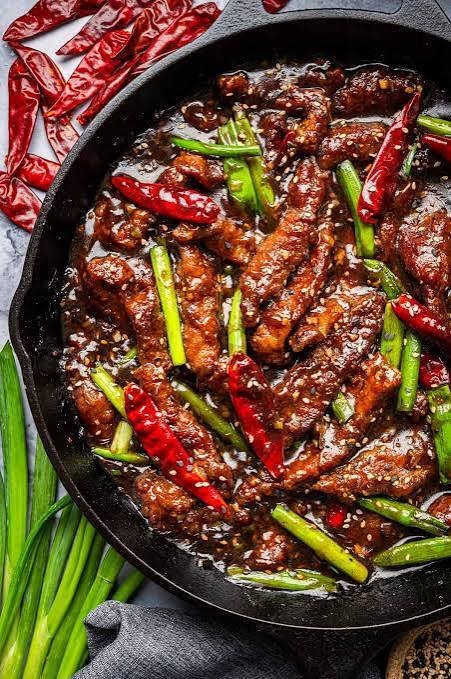
Have you ever had one of those dinners where you take the first bite and immediately think, “Why don’t I make this at home more often?” That is exactly how I feel about Mongolian Beef. The combination of thin, tender beef, crispy edges, fresh green onions, garlic, ginger, and a glossy sweet-savory sauce is simply irresistible.
I love this recipe because it gives you that takeout feeling without making dinner complicated. You get beautifully browned pieces of beef coated in a sticky sauce that tastes rich, savory, slightly sweet, and wonderfully garlicky. Serve it over a bowl of hot rice, and suddenly an ordinary weeknight feels like a little restaurant night at home.
One of my favorite things about making Mongolian Beef is how quickly everything comes together once the ingredients are ready. The beef needs to be sliced thinly, the sauce takes only a few minutes to mix, and the cooking itself is fast. The key is having everything prepared before the skillet gets hot because the beef cooks quickly.
Mongolian Beef is generally considered a Chinese-American restaurant-style dish rather than a traditional Mongolian recipe. Modern versions commonly feature thinly sliced beef coated with cornstarch and cooked with a sweet soy-based sauce, garlic, ginger, and scallions. :contentReference[oaicite:0]{index=0}
If you are craving something crispy, saucy, comforting, and full of flavor, I think you are going to love this one. It is the kind of recipe that makes everyone wander into the kitchen asking, “What smells so good?”
Recipe Origin & Story
Despite its name, Mongolian Beef is not generally considered a traditional dish from Mongolia. It is associated with Chinese-American restaurant cooking and has become especially popular as a takeout-style beef stir-fry. The familiar combination of beef, soy sauce, brown sugar, garlic, ginger, and scallions gives the dish its recognizable sweet-savory character. :contentReference[oaicite:1]{index=1}
That history actually makes sense when you think about what makes this recipe so appealing. It takes a few familiar ingredients and turns them into something that tastes much more exciting than the ingredient list suggests.
I think this is also why Mongolian Beef works so well for home cooks. You do not need a long list of unusual ingredients. Once you have a good steak, soy sauce, brown sugar, garlic, ginger, cornstarch, and green onions, you are already most of the way there.
The magic happens in the cooking technique. The beef is sliced against the grain, lightly coated with cornstarch, and cooked over high heat. The result is beef with browned, crisp edges that can hold onto the glossy sauce. :contentReference[oaicite:2]{index=2}
For me, this is one of those recipes that proves a good homemade dinner does not have to be complicated. You just need to understand a few small tricks, and suddenly your kitchen can produce something that tastes wonderfully close to your favorite takeout.
Ingredient Spotlight
- Main Star: Flank steak is a wonderful choice because it is flavorful and easy to slice thinly. Cutting it against the grain shortens the muscle fibers and helps make each bite more tender. :contentReference[oaicite:3]{index=3}
- Secret Boost: Fresh ginger and garlic give the sauce its aromatic backbone. A little red pepper flake or dried chile can also add gentle heat if you like a spicy finish.
- Quality Tips: Choose a well-trimmed steak with good color and slice it thinly. Fresh garlic, fresh ginger, and crisp green onions make a noticeable difference because the sauce is built around a small number of ingredients.
Flank steak: This is my favorite cut for Mongolian Beef, but you can also use skirt steak, sirloin, flat iron, hanger steak, or another suitable beef cut. The most important thing is slicing it thinly against the grain. :contentReference[oaicite:4]{index=4}
Cornstarch: Do not skip this ingredient. A light cornstarch coating helps create the characteristic crisp exterior and gives the sauce something to cling to. :contentReference[oaicite:5]{index=5}
Soy sauce: Soy sauce provides the salty, savory foundation of the sauce. If you are sensitive to salt, choose low-sodium soy sauce and adjust the seasoning at the end.
Brown sugar: Brown sugar gives the sauce its signature sweetness and helps create that glossy, slightly sticky texture. Dark brown sugar can also provide a deeper color. :contentReference[oaicite:6]{index=6}
Green onions: The scallions are more than decoration. Their fresh, slightly sharp flavor cuts through the richness of the sauce and adds a lovely pop of color.
Nutritional Benefits
Mongolian Beef is a hearty meal, and beef provides a substantial amount of protein. It also contains important nutrients such as iron and vitamin B12.
Garlic and ginger bring lots of flavor without requiring heavy sauces or large amounts of added fat. Green onions also add a fresh vegetable element to the dish.
If you want to make the meal more balanced, serve the beef with steamed broccoli, bok choy, snow peas, carrots, or another favorite vegetable. A generous portion of vegetables adds color, texture, and fiber to your plate.
You can also control the sweetness of the dish at home. If you prefer a less sweet sauce, reduce the brown sugar slightly and increase it gradually until the flavor is right for you.
Remember that the nutritional profile depends on the cut of beef, amount of oil, sauce, rice, and serving size.
Adaptable Variations
- Dietary Swaps: Use gluten-free tamari or gluten-free soy sauce if needed. Serve the beef over cauliflower rice or steamed vegetables for a lower-carbohydrate option.
- Flavor Twists: Add dried red chiles, crushed red pepper, sesame seeds, extra ginger, or a small splash of toasted sesame oil at the end.
- Seasonal Spins: Add broccoli in spring, bell peppers and snap peas in summer, mushrooms in autumn, or hearty greens during colder months.
If you like spicy food, add a few dried red chiles or a pinch of crushed red pepper to the garlic and ginger as they cook. Some versions use dried chiles specifically to bring heat and contrast to the sweet sauce. :contentReference[oaicite:7]{index=7}
For a vegetable-packed version, add broccoli, bell peppers, snow peas, or mushrooms. Cook the vegetables separately or remove them from the pan before cooking the beef so you do not overcrowd the skillet.
If you prefer noodles instead of rice, serve the finished beef over lo mein, rice noodles, or simple stir-fried noodles. The sauce is delicious with almost anything that can soak it up.
For a lighter meal, serve the beef over cauliflower rice or alongside steamed vegetables. You can also use less sauce and add extra scallions for freshness.
Cooking Science Explained
Why slice against the grain? Look closely at the steak and you will see lines running through the meat. These are muscle fibers. Cutting across those lines shortens the fibers, which makes the beef easier to chew. :contentReference[oaicite:8]{index=8}
Why use cornstarch? Cornstarch creates a light coating around the beef that can crisp and brown when it hits hot oil. It also helps the sweet-savory sauce cling to the surface instead of simply running off. :contentReference[oaicite:9]{index=9}
Why cook in batches? This is one of the biggest secrets to crispy beef. If you put too much meat into the skillet at once, the temperature drops and the beef releases moisture. Instead of searing, it starts steaming. Cooking in batches gives every piece enough contact with the hot pan. :contentReference[oaicite:10]{index=10}
Why reduce the sauce? The sauce starts fairly liquid, but as it simmers, the water evaporates and the sugar becomes more concentrated. Cornstarch can also help thicken the sauce, creating that beautiful glossy coating that clings to every piece of beef. :contentReference[oaicite:11]{index=11}
That is why the order of operations matters. Crisp the beef first, make the sauce separately in the hot pan, and then return the beef for only a short toss at the end. This helps protect the crispy texture.
Easy, Step-by-Step Recipe
Ingredients
- 1 pound flank steak
- 1/4 cup cornstarch, plus 1 tablespoon if needed
- 2 tablespoons neutral cooking oil, plus more as needed
- 1/3 cup low-sodium soy sauce
- 1/3 cup water
- 1/3 cup packed brown sugar
- 4 cloves garlic, finely minced
- 1 tablespoon fresh ginger, finely minced
- 1 teaspoon dark soy sauce, optional, for deeper color
- 1/2 teaspoon crushed red pepper flakes, optional
- 5–6 green onions, cut into 2-inch pieces
- 1 teaspoon toasted sesame oil, optional
- 1 tablespoon sesame seeds, optional
- Steamed white or jasmine rice, for serving
Instructions
- Prepare the beef: Place the flank steak in the freezer for about 20–30 minutes if it feels difficult to slice. This firms it up and makes thin slicing easier.
- Slice against the grain: Cut the steak into thin strips, about 1/4 inch thick. If the strips are very long, cut them into shorter pieces. Slicing against the grain is one of the most important steps for tender beef. :contentReference[oaicite:12]{index=12}
- Coat the beef: Place the beef in a bowl and toss with the cornstarch. Shake off any large excess so you have a light, even coating.
- Mix the sauce: In a small bowl, whisk together the soy sauce, water, brown sugar, dark soy sauce if using, and red pepper flakes.
- Heat the skillet: Place a large skillet or wok over medium-high to high heat. Add the oil and let it become hot and shimmering.
- Cook the beef in batches: Add the beef in a single layer. Do not overcrowd the pan. Sear for about 1–2 minutes per side, or until the edges become browned and crisp. Remove the beef to a plate and repeat with the remaining pieces. :contentReference[oaicite:13]{index=13}
- Aromatize the pan: Reduce the heat to medium. Add the minced garlic and ginger to the same pan and stir for about 20–30 seconds, just until fragrant.
- Add the sauce: Pour the prepared sauce into the skillet. Scrape up any flavorful browned bits from the bottom of the pan.
- Simmer: Let the sauce bubble gently for about 1–2 minutes, stirring occasionally. It should begin to look slightly thicker and glossy.
- Add the green onions: Add most of the green onions and cook briefly until they become slightly tender while still retaining some freshness.
- Return the beef: Add the crispy beef back to the skillet and toss everything together for about 30–60 seconds, just until the sauce coats the meat. :contentReference[oaicite:14]{index=14}
- Finish: Turn off the heat. Add toasted sesame oil if desired and sprinkle with sesame seeds and the remaining green onions.
- Serve immediately: Spoon the Mongolian Beef over hot steamed rice and serve while the beef is still crispy and the sauce is glossy.
Practical & Valuable Tips
- Storage: Refrigerate leftovers in an airtight container for up to 3–4 days. :contentReference[oaicite:15]{index=15}
- Serving Ideas: Serve over jasmine rice, steamed white rice, fried rice, noodles, or alongside steamed broccoli and bok choy.
- Substitutions: Use skirt steak, sirloin, flat iron, hanger steak, or top round if flank steak is unavailable. Always slice the beef thinly against the grain. :contentReference[oaicite:16]{index=16}
My biggest tip is to prepare everything before you start cooking. Once the skillet gets hot, the recipe moves quickly. Have your beef coated, your sauce mixed, your garlic and ginger minced, and your green onions cut before you turn on the stove.
Another important tip is to resist the urge to put all the beef into the skillet at once. I know it is tempting, especially when you are hungry, but overcrowding is one of the easiest ways to lose that beautiful crispy texture.
If your beef releases a lot of liquid, the pan may not have been hot enough or there may have been too much beef in it. Remove the beef, let the pan heat up again, and continue in smaller batches.
Also, do not drown the finished beef in sauce. The sauce should coat the pieces rather than leave them swimming in liquid. A glossy coating gives you the best combination of crispy edges and sweet-savory flavor.
If you like your Mongolian Beef less sweet, start with less brown sugar. You can always add more sweetness later, but you cannot easily remove it once it is in the sauce.
Make-Ahead & Batch-Cooking
This is a great recipe for a little meal planning. You can slice the beef earlier in the day and keep it covered in the refrigerator until you are ready to cook. You can also mix the sauce in advance and refrigerate it until dinner time. Some recipes recommend making the sauce up to a day ahead. :contentReference[oaicite:17]{index=17}
When you are ready to cook, bring out all of your ingredients and set them near the stove. This is especially helpful because the beef cooks quickly once it hits the hot pan.
For batch cooking, prepare extra rice and vegetables at the same time. Store the beef separately from the rice and vegetables so you can reheat each component properly.
Leftover Mongolian Beef is delicious, but the beef will naturally soften after sitting in the sauce. If you want the best possible texture, reheat it quickly in a hot skillet or air fryer rather than microwaving it for a long time.
If using an air fryer to reheat leftovers, warm the beef until heated through and then serve immediately. You can add a few fresh green onions at the end to bring back some brightness.
Eco-Friendly Kitchen Hacks
- Use one large skillet for the entire recipe instead of dirtying several pans.
- Save extra cooked rice for fried rice or rice bowls later in the week.
- Use leftover vegetables in the refrigerator as stir-fry additions.
- Prepare a larger batch so one cooking session provides multiple meals.
- Store leftovers in reusable containers rather than disposable packaging.
- Use leftover green onion tops in soups, noodles, eggs, or homemade broth.
I especially like using leftover vegetables in Mongolian Beef because the sauce is so flavorful. A few carrots, broccoli florets, bell pepper strips, or snap peas can turn the dish into a colorful clean-out-the-fridge dinner.
And if you have leftover rice, definitely save it. The next day, you can turn it into fried rice with an egg and whatever vegetables you have available.
Pairing Suggestions
- Beverages: Iced green tea, jasmine tea, sparkling water with lime, lemonade, ginger ale, or a cold fruit drink.
- Sides & Sauces: Steamed jasmine rice, fried rice, broccoli, bok choy, snap peas, cucumber salad, vegetable spring rolls, or a simple Asian-inspired slaw.
For the classic takeout-style experience, I recommend serving Mongolian Beef over fluffy jasmine rice. The rice absorbs that sweet-savory sauce beautifully.
Steamed broccoli is another favorite of mine. Its slightly bitter, fresh flavor balances the richness of the beef and sauce.
If you want something crisp and refreshing, serve a simple cucumber salad on the side. Thinly sliced cucumber with rice vinegar, sesame seeds, and green onion makes a wonderful contrast.
You can also serve the beef with noodles instead of rice. Lo mein noodles, rice noodles, or even simple buttered noodles can work surprisingly well because the sauce has so much flavor.
Frequently Asked Questions
- What cut of beef is best for Mongolian Beef?
Flank steak is a classic choice because it has good flavor and is easy to slice thinly. Skirt steak, sirloin, flat iron, hanger steak, and top round can also work well. The most important thing is to slice the beef thinly against the grain. :contentReference[oaicite:18]{index=18} - Why is my Mongolian Beef not crispy?
The most common reason is overcrowding the pan. Cook the beef in batches over high heat so the pieces sear instead of steaming. A light cornstarch coating also helps create the crispy edges. :contentReference[oaicite:19]{index=19} - Can I make Mongolian Beef less sweet?
Absolutely. Brown sugar is responsible for much of the classic sweet flavor, so simply reduce the amount to suit your taste. You can start with less and add more after tasting the sauce. - Can I add vegetables?
Yes! Broccoli, bell peppers, snap peas, carrots, mushrooms, and bok choy are all excellent additions. Cook them separately or in batches so they do not overcrowd the pan.
Call to Action
If you have been looking for a dinner that feels like takeout but is easy enough to make at home, I hope you put this Mongolian Beef on your list.
The crispy beef, glossy sauce, fresh green onions, garlic, and ginger create a combination that is incredibly comforting. And because you are making it yourself, you get to control the sweetness, saltiness, spice, and amount of sauce.
Make it for a busy weeknight, a relaxed weekend dinner, or whenever you get that sudden craving for Chinese-American takeout. Serve it over steaming rice and watch how quickly everyone reaches for seconds.
If you make this recipe, save it for your next dinner night and share it with someone who loves crispy beef. I would also love to hear how you customize it. Did you add broccoli? Extra garlic? A handful of dried chiles? Maybe you served it with noodles instead of rice?
Share your version on social media and let your friends know that homemade Mongolian Beef can be every bit as satisfying as takeout.
Bonus: Your Kitchen Notes
This is where I want you to make the recipe your own. Once you understand the basic technique, there are so many little ways to personalize Mongolian Beef.
Your kitchen note: Write down how thin you sliced your steak, how much brown sugar you used, whether you added spice, and which side dish your family enjoyed most.
If you love a really bold garlic flavor, add another clove or two. If ginger is your favorite, increase the fresh ginger slightly. I recommend making small adjustments rather than changing everything at once so you can discover exactly what you like.
For a spicy version, add dried red chiles or crushed red pepper. You can also drizzle a little chili oil over the finished dish. The heat works beautifully against the sweet brown sugar sauce.
For a sesame-forward version, add toasted sesame seeds and a small splash of toasted sesame oil right before serving. Just remember that sesame oil is strong, so a little goes a long way.
For a vegetable-heavy dinner, add broccoli, bell peppers, snow peas, mushrooms, or carrots. You can even serve the beef over a large pile of steamed vegetables instead of rice.
If you are cooking for children, keep the sauce mild and leave out the red pepper flakes. The sweet-savory flavor is usually enough to make the dish appealing without adding heat.
If you are cooking for guests, arrange the Mongolian Beef over a large platter of rice and sprinkle plenty of green onions and sesame seeds over the top. Add a few colorful vegetables around the edges, and suddenly your simple skillet dinner looks like something you ordered from a restaurant.
One final thing I always remind myself when making this recipe is that crispy beef should be served quickly. The longer it sits in the sauce, the softer the coating becomes. That is not necessarily a bad thing—the sauce-soaked beef is still delicious—but if you want maximum crunch, serve it immediately.
And do not worry if your first attempt is not absolutely perfect. Cooking is about learning what works in your kitchen. Maybe your skillet runs hotter than mine. Maybe you prefer more sauce. Maybe you like your beef extra crispy. Take notes, make adjustments, and have fun.
That is what I love about homemade Mongolian Beef. It gives you a simple technique and a delicious starting point, but you get to decide exactly where the recipe goes.
So slice that steak, mix your sauce, heat your skillet, and get ready for one of those dinners where everyone suddenly becomes very quiet because they are too busy enjoying their food.
Serve your crispy Mongolian Beef over hot rice, sprinkle it with fresh green onions, grab your chopsticks or fork, and enjoy that first sweet, savory, garlicky bite.
Sometimes the best homemade dinners are the ones that taste like your favorite takeout—only fresher, hotter, and made exactly the way you like it.