Personalized Introduction
There is something truly special about making Homemade Cinnamon Rolls from scratch. I love the moment when the sweet smell of cinnamon starts filling the kitchen and you know a warm, soft, gooey treat is almost ready. These rolls are perfect for breakfast, brunch, holidays, or any morning when you want to make something extra special.
You might think homemade cinnamon rolls are difficult, but I promise the process is much easier when you take it one step at a time. You mix a simple yeast dough, let it rise until fluffy, roll it out, spread it with buttery cinnamon sugar, and slice it into beautiful spirals. After baking, the warm rolls are topped with a creamy vanilla glaze.
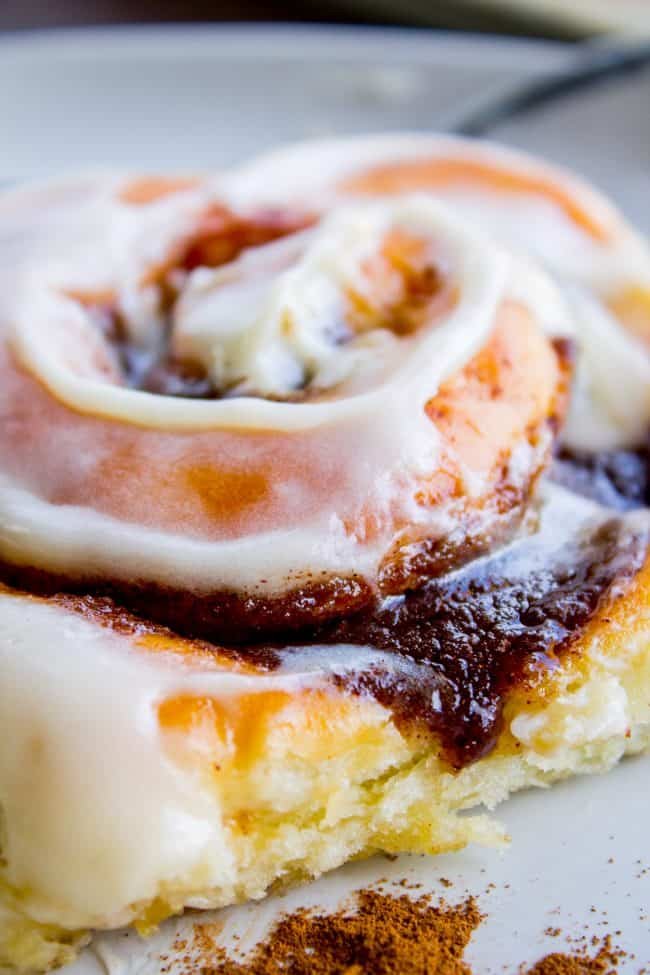
The result is a tray of soft, fluffy cinnamon rolls with swirls of sweet cinnamon filling in every bite. They are warm, buttery, comforting, and completely worth the little bit of extra time.
Whether you are making them for a cozy weekend breakfast or sharing them with family and friends, these Homemade Cinnamon Rolls are always a delicious reason to gather around the table.
Recipe Origin & Story
Cinnamon rolls have become a beloved sweet bread in many parts of the world. Their familiar spiral shape comes from rolling a sweet yeast dough around a buttery cinnamon filling before slicing it into individual rolls.
Different countries have their own versions, with variations in dough, spices, fillings, and toppings. Some are lightly glazed, while others are covered with thick cream cheese frosting.
I love the classic homemade version because it gives you the best combination of textures. The outside becomes lightly golden while the inside stays soft and tender. The cinnamon sugar melts into the dough as it bakes, creating those delicious gooey layers.
This recipe finishes the rolls with a simple vanilla glaze, but you can easily choose cream cheese frosting if you prefer a richer bakery-style topping.
Ingredient Spotlight
- Main Star: Yeast dough creates the soft, fluffy texture that makes a great cinnamon roll.
- Secret Boost: Warm milk and softened butter give the dough a rich flavor and tender texture.
- Quality Tips: Make sure your yeast is fresh and active. Use good-quality ground cinnamon because it is one of the main flavors in the recipe.
Flour: All-purpose flour works well for soft homemade cinnamon rolls. Add only enough flour to make the dough manageable because too much flour can make the rolls dense.
Yeast: Active dry yeast helps the dough rise and creates a light, fluffy texture. Always check the expiration date before using it.
Milk: Warm milk adds moisture and richness. It should feel warm, not hot, because very hot liquid can damage the yeast.
Butter: Butter is used in both the dough and filling, adding rich flavor and helping create soft layers.
Brown Sugar: Brown sugar gives the filling a deeper, caramel-like sweetness.
Cinnamon: The star spice of the filling. It creates that warm, sweet aroma everyone expects from homemade cinnamon rolls.
Vanilla: A little vanilla gives the glaze a warm bakery-style flavor.
Nutritional Benefits
Homemade cinnamon rolls are a sweet treat, and I believe desserts and special breakfast foods can absolutely have a place in a balanced lifestyle.
Making them at home gives you control over the ingredients and portion sizes. You can adjust the amount of sugar, use less frosting, or add ingredients such as chopped nuts or fruit.
Milk and eggs provide some protein and nutrients, while cinnamon contributes natural flavor without adding fat.
For a more balanced breakfast, serve a cinnamon roll with fresh fruit, yogurt, or eggs. That way, you can enjoy the sweet treat while adding protein and other foods to your meal.
Adaptable Variations
- Dietary Swaps: Use plant-based milk and butter alternatives if needed. Choose a suitable egg substitute for an egg-free version.
- Flavor Twists: Add cream cheese frosting, chopped pecans, walnuts, raisins, orange zest, or cardamom.
- Seasonal Spins: Add pumpkin spice in fall, orange and cranberry in winter, berries in spring, or peaches in summer.
Classic Cream Cheese Cinnamon Rolls: Top the warm rolls with rich cream cheese frosting instead of vanilla glaze.
Pecan Cinnamon Rolls: Sprinkle chopped pecans over the cinnamon filling before rolling the dough.
Raisin Cinnamon Rolls: Add raisins or dried cranberries for extra sweetness and texture.
Orange Cinnamon Rolls: Add orange zest to the dough and glaze for a bright citrus flavor.
Chocolate Cinnamon Rolls: Sprinkle mini chocolate chips over the cinnamon sugar filling.
Apple Cinnamon Rolls: Add small pieces of cooked apple to the filling for an apple-cinnamon twist.
Cooking Science Explained
Why does the dough need to rise? Yeast creates gas inside the dough, which helps it expand and develop a light, fluffy structure.
Why should the milk be warm? Warm liquid helps create a good environment for the yeast. If the liquid is too hot, it can damage the yeast, while cold liquid may slow the process.
Why should you avoid adding too much flour? Extra flour can make the dough dry and heavy. The dough should be soft and slightly tacky rather than stiff.
Why use softened butter in the filling? Soft butter spreads easily over the dough and helps the cinnamon sugar stick evenly across the surface.
Why should the rolls rest before baking? The second rise allows the shaped rolls to become lighter and fluffier before they enter the oven.
Easy, Step-by-Step Recipe
Ingredients
For the Dough
- 1 cup warm milk
- 2 1/4 teaspoons active dry yeast
- 1/2 cup granulated sugar
- 1/3 cup melted butter
- 2 large eggs, room temperature
- 1 teaspoon salt
- 4 to 4 1/2 cups all-purpose flour
For the Cinnamon Filling
- 1/2 cup softened butter
- 1 cup packed brown sugar
- 2 tablespoons ground cinnamon
- Pinch of salt
For the Vanilla Glaze
- 1 1/2 cups powdered sugar
- 3 tablespoons milk
- 1 teaspoon vanilla extract
- Pinch of salt
Instructions
- Warm the milk: Heat the milk until it is warm but not hot. It should feel comfortably warm to the touch.
- Activate the yeast: Pour the warm milk into a large mixing bowl. Add the yeast and a spoonful of the sugar. Let it sit for about 5–10 minutes until it becomes foamy.
- Add the wet ingredients: Add the remaining sugar, melted butter, eggs, and salt. Whisk until well combined.
- Add the flour: Add the flour gradually, mixing after each addition. Continue until a soft dough forms.
- Knead the dough: Transfer the dough to a lightly floured surface and knead for about 8–10 minutes until smooth and elastic. You can also use a stand mixer with a dough hook.
- First rise: Place the dough in a lightly greased bowl. Cover it with a clean towel or plastic wrap and let it rise in a warm place until approximately doubled in size, usually about 1 to 1 1/2 hours.
- Prepare the filling: In a bowl, mix the brown sugar, cinnamon, and pinch of salt.
- Roll out the dough: Once risen, gently punch down the dough. Place it on a lightly floured surface and roll it into a large rectangle, approximately 16 x 12 inches.
- Add the butter: Spread the softened butter evenly across the dough, leaving a small border around the edges.
- Add cinnamon sugar: Sprinkle the brown sugar and cinnamon mixture evenly over the butter.
- Roll the dough: Starting from the long side, carefully roll the dough into a tight log.
- Cut the rolls: Slice the log into 10–12 equal pieces. A sharp knife works well, but unflavored dental floss can also create clean slices without pressing the rolls flat.
- Arrange in the pan: Place the rolls in a greased 9 x 13-inch baking dish, leaving a little space between them.
- Second rise: Cover the dish and let the rolls rise again for about 30–45 minutes until puffy.
- Preheat the oven: Heat the oven to 350°F (175°C).
- Bake: Bake the rolls for approximately 22–28 minutes, until lightly golden and cooked through. Avoid overbaking because that can make them dry.
- Make the glaze: While the rolls bake, whisk together the powdered sugar, milk, vanilla, and salt until smooth.
- Glaze the warm rolls: Remove the cinnamon rolls from the oven and allow them to cool for about 5–10 minutes. Drizzle the glaze generously over the warm rolls.
- Serve: Enjoy while warm and soft.
My favorite part is pulling the rolls apart while they are still warm. You get those soft layers of dough, melted cinnamon sugar, and sweet glaze in every bite.
Practical & Valuable Tips
- Storage: Store cooled cinnamon rolls in an airtight container at room temperature for up to 2 days or refrigerate for several days.
- Serving Ideas: Serve with coffee, tea, hot chocolate, milk, fresh fruit, eggs, or yogurt.
- Substitutions: Use cream cheese frosting instead of vanilla glaze, or replace part of the brown sugar with coconut sugar for a different flavor.
Check your yeast: If the yeast does not become foamy after sitting in the warm milk mixture, it may no longer be active.
Keep the dough soft: Resist adding too much flour. A soft dough usually creates softer cinnamon rolls.
Use room-temperature eggs: They blend more easily into the dough and do not cool the warm milk mixture as much.
Roll evenly: Try to keep the dough at an even thickness so the rolls bake consistently.
Do not overbake: Cinnamon rolls should be lightly golden, not deeply browned.
Frost while warm: Adding glaze to warm rolls allows some of it to melt into the spirals.
Make-Ahead & Batch-Cooking
Homemade cinnamon rolls are perfect for preparing ahead, especially for holiday mornings or weekend brunch.
You can prepare the dough, add the filling, cut the rolls, and place them in the baking dish the night before. Cover the dish and refrigerate overnight.
In the morning, take the rolls out and allow them to sit at room temperature until they become puffy before baking. The exact time can vary depending on how cold the dough is and how warm your kitchen is.
You can also freeze baked cinnamon rolls. Let them cool completely, wrap them well, and freeze. Reheat gently before serving and add fresh glaze if desired.
Another great option is freezing individual portions. This means you can enjoy one warm cinnamon roll whenever you want without reheating an entire tray.
Eco-Friendly Kitchen Hacks
- Use leftover cinnamon rolls for a sweet bread pudding.
- Freeze extra rolls instead of letting them become stale.
- Make a double batch and save one pan for another breakfast.
- Use reusable containers for storing leftovers.
- Turn slightly stale cinnamon rolls into French toast.
- Use extra cinnamon sugar as a topping for oatmeal, toast, or baked apples.
One of my favorite ways to use leftover cinnamon rolls is to cut them into pieces and turn them into cinnamon roll bread pudding. It feels like a completely new dessert while helping prevent food waste.
Pairing Suggestions
- Beverages: Fresh coffee, cappuccino, tea, hot chocolate, milk, or an iced latte.
- Breakfast Sides: Fresh strawberries, blueberries, scrambled eggs, crispy bacon, yogurt, or a fruit salad.
A warm cinnamon roll and a hot cup of coffee is one of my favorite simple breakfast combinations.
If you are serving brunch for guests, create a larger spread with eggs, fruit, yogurt, and cinnamon rolls. The sweet rolls add a bakery-style touch while the other dishes make the meal more balanced.
For a holiday breakfast, serve them with hot chocolate and fresh fruit. Your kitchen will smell amazing, and everyone will be excited to start the day.
Frequently Asked Questions
- Why are my cinnamon rolls not fluffy?
This can happen if the yeast is old, the dough did not rise long enough, or too much flour was added. Make sure the dough has enough time to rise until puffy. - Can I make cinnamon rolls the night before?
Yes. Assemble the rolls, cover them, and refrigerate overnight. Let them become puffy before baking. - Can I use instant yeast?
Yes. Instant yeast can usually be mixed directly with the dry ingredients, although the exact method can vary depending on the yeast package instructions. - How do I keep cinnamon rolls soft?
Avoid adding too much flour and do not overbake. Store leftover rolls in an airtight container. - Can I freeze cinnamon rolls?
Yes. You can freeze baked rolls after cooling completely. Reheat gently before serving. - Can I use cream cheese frosting?
Absolutely. Cream cheese frosting is delicious on warm cinnamon rolls and creates a rich bakery-style finish.
Call to Action
There is nothing quite like pulling a tray of warm Homemade Cinnamon Rolls from the oven. The sweet cinnamon aroma, soft dough, gooey filling, and creamy glaze make every minute of preparation worth it.
Save this recipe for your next weekend breakfast, holiday morning, or family brunch. Once you make cinnamon rolls from scratch, you may find yourself wanting to make them again and again.
Share them with family, serve them to friends, or keep a few all for yourself—I will not judge!
Grab your flour, warm up the milk, and get ready to fill your kitchen with the irresistible smell of freshly baked Homemade Cinnamon Rolls.
Bonus: Your Kitchen Notes
Once you make this recipe, you can start creating your own favorite version.
Maybe you love extra cinnamon. Add a little more to the filling. Maybe you prefer a thick cream cheese frosting instead of a light glaze. Go for it.
You can add pecans, walnuts, raisins, chocolate chips, apple pieces, orange zest, or even a little pumpkin spice depending on the season.
Write down your favorite version so you can make it exactly the same next time.
My favorite thing about homemade cinnamon rolls is that they are more than just a recipe. They create a cozy kitchen moment. The dough rises, the cinnamon fills the air, and everyone starts asking when they will be ready.
That is the magic of baking from scratch.
So take your time, enjoy the process, and treat yourself to soft, fluffy, warm Homemade Cinnamon Rolls covered with sweet glaze and filled with delicious cinnamon sugar swirls.