Personalized Introduction
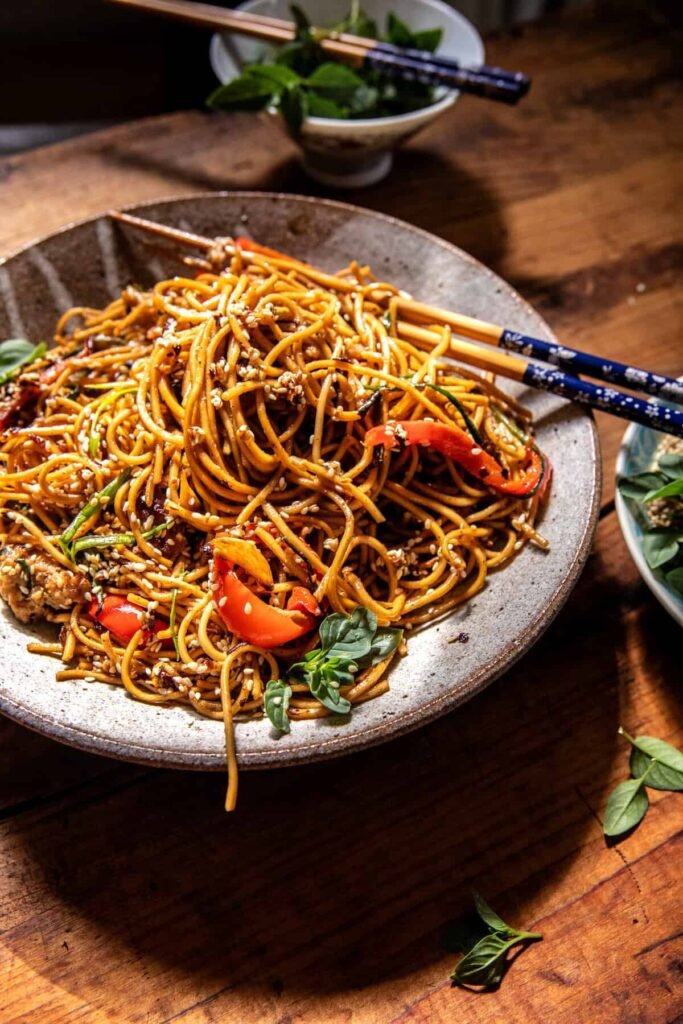
There are some dinners that make you want to skip the takeout menu altogether, and this Extra Saucy Garlic Chicken Lo Mein is one of them. If you love silky noodles covered in a rich, savory sauce with tender chicken and colorful vegetables, you are going to want to keep this recipe close.
I love making lo mein at home because it is quick, flexible, and incredibly satisfying. The noodles soak up the sauce while the garlic fills the kitchen with that irresistible aroma. And because this version is extra saucy, you do not have to worry about ending up with dry noodles sitting at the bottom of your bowl.
The beauty of lo mein is that it is easy to customize. Classic versions often combine noodles, chicken, vegetables, soy sauce, sesame oil, and other savory ingredients. Garlic-forward versions can also use ginger, chili, oyster sauce, or hoisin sauce for extra depth. :contentReference[oaicite:0]{index=0}
For me, the best part is that this meal comes together quickly once everything is chopped and ready. It is perfect for a busy weeknight when you want something that feels like restaurant food without waiting for delivery.
Recipe Origin & Story
Lo mein is a Chinese noodle dish traditionally made by tossing cooked noodles with sauce and other ingredients. It has become especially popular as a takeout-style meal around the world, where chicken, beef, shrimp, vegetables, and different sauces are commonly combined with the noodles.
Chicken lo mein is particularly popular because it brings together tender protein, soft noodles, crisp vegetables, and a savory sauce in one bowl. Home versions are also wonderfully flexible. You can use whatever vegetables are already in your refrigerator, and spaghetti or other noodles can work when traditional lo mein noodles are not available. :contentReference[oaicite:1]{index=1}
This extra-saucy version is inspired by the kind of noodle dinner I crave when I want every bite to be glossy, flavorful, and full of garlic. Instead of using just enough sauce to coat the noodles, I make a little extra so the noodles stay moist and flavorful from the first bite to the last.
Ingredient Spotlight
- Main Star: Lo mein noodles are the foundation of this dish. Their soft, springy texture works beautifully with a generous sauce. If you cannot find lo mein noodles, spaghetti or egg noodles can be used as convenient substitutes. :contentReference[oaicite:2]{index=2}
- Secret Boost: Fresh garlic gives this recipe its signature flavor. I use plenty of it, along with fresh ginger, soy sauce, oyster sauce, sesame oil, and a touch of brown sugar to create a balanced sauce.
- Quality Tips: Choose boneless chicken breast or thighs and slice them thinly so they cook quickly. Fresh garlic and ginger make a noticeable difference, while low-sodium soy sauce gives you more control over the final saltiness.
The vegetables are just as important as the noodles. Carrots, bell peppers, broccoli, cabbage, snow peas, mushrooms, and green onions are all excellent choices. Many chicken lo mein recipes use a combination of crunchy vegetables for color and texture. :contentReference[oaicite:3]{index=3}
Nutritional Benefits
This is a hearty meal that combines protein, carbohydrates, and vegetables in one dish. Chicken provides protein, while vegetables contribute fiber, vitamins, minerals, and plenty of color.
If you want to make the recipe lighter, use skinless chicken breast, increase the vegetables, and choose a reduced-sodium soy sauce. You can also use whole-wheat noodles or another higher-fiber noodle if you prefer.
Because sauces can vary significantly in sodium and sugar, using your own homemade sauce gives you much more control over the ingredients. The exact nutritional values will depend on the brands and quantities you use.
Adaptable Variations
- Dietary Swaps: Use gluten-free noodles and gluten-free tamari if needed. For a dairy-free meal, the recipe is naturally easy to adapt because the main sauce ingredients do not require dairy.
- Flavor Twists: Add chili crisp, crushed red pepper, sriracha, fresh chilies, or chili garlic sauce for heat. Add extra ginger for a brighter flavor or a little honey instead of brown sugar for sweetness.
- Seasonal Spins: Use asparagus and snap peas in spring, zucchini and bell peppers in summer, mushrooms and cabbage in autumn, or broccoli and carrots during winter.
You can also change the protein. Shrimp, thinly sliced beef, pork, tofu, or even leftover cooked chicken can work beautifully. Garlic chicken lo mein recipes are especially easy to customize with different proteins and vegetables. :contentReference[oaicite:4]{index=4}
Cooking Science Explained
Why slice the chicken thinly? Thin pieces cook quickly and evenly, which is especially helpful when stir-frying. A quick cook over fairly high heat also helps the chicken develop some golden edges without becoming dry.
Why prepare everything before cooking? Stir-frying moves quickly. Once the pan is hot, the garlic, vegetables, chicken, noodles, and sauce need to be added in fairly quick succession. Having everything measured and chopped first makes the cooking much easier. :contentReference[oaicite:5]{index=5}
Why keep the noodles slightly firm? The noodles will continue cooking briefly when tossed with the hot sauce. Cooking them just until tender helps prevent them from becoming mushy in the final stir-fry.
Why add extra sauce at the end? Noodles absorb liquid as they sit. A generous sauce helps keep the dish glossy and flavorful, especially if you plan to save leftovers.
Easy, Step-by-Step Recipe
Ingredients
For the Chicken:
- 1 pound (450 g) boneless, skinless chicken breast or thighs, thinly sliced
- 1 tablespoon soy sauce
- 1 teaspoon sesame oil
- 1 tablespoon cornstarch
- 1/4 teaspoon black pepper
For the Extra Saucy Garlic Sauce:
- 1/4 cup (60 ml) low-sodium soy sauce
- 2 tablespoons oyster sauce
- 1 tablespoon hoisin sauce
- 1 tablespoon sesame oil
- 1 tablespoon brown sugar or honey
- 1/2 cup (120 ml) chicken broth or water
- 1 tablespoon cornstarch
- 6 cloves garlic, minced
- 1 tablespoon fresh ginger, grated
- 1/2 teaspoon crushed red pepper, optional
For the Lo Mein:
- 8 ounces (225 g) lo mein noodles
- 1 tablespoon vegetable or avocado oil
- 1 cup shredded carrots
- 1 red bell pepper, thinly sliced
- 1 cup broccoli florets
- 1 cup shredded cabbage or snow peas
- 3 green onions, sliced
- 1 tablespoon sesame seeds, optional
Instructions
- Prepare the chicken: Place the sliced chicken in a bowl. Add soy sauce, sesame oil, cornstarch, and black pepper. Toss until the chicken is evenly coated. Let it sit for 10 to 15 minutes while you prepare the remaining ingredients.
- Make the sauce: In a small bowl, whisk together soy sauce, oyster sauce, hoisin sauce, sesame oil, brown sugar, chicken broth, and cornstarch. Set aside.
- Cook the noodles: Bring a large pot of water to a boil. Cook the lo mein noodles according to the package instructions until just tender. Drain well and set aside.
- Heat the wok: Place a large wok or deep skillet over medium-high heat. Add the vegetable oil and allow it to heat until shimmering.
- Cook the chicken: Add the chicken in a single layer. Cook for about 4 to 6 minutes, tossing occasionally, until golden and completely cooked through. Transfer the chicken to a plate.
- Sauté the aromatics: Add a small splash of oil if the wok looks dry. Add the minced garlic and ginger. Stir-fry for about 30 seconds, just until fragrant. Be careful not to burn the garlic.
- Add the vegetables: Add the carrots, bell pepper, broccoli, and cabbage or snow peas. Stir-fry for about 3 to 5 minutes. You want the vegetables to soften slightly while retaining some crunch.
- Add the sauce: Give the sauce another quick whisk because the cornstarch settles at the bottom. Pour it into the hot wok and stir continuously as it begins to thicken.
- Add the noodles: Add the cooked noodles and toss everything together. Use tongs or two spatulas to gently lift and turn the noodles so the sauce coats them evenly.
- Return the chicken: Add the cooked chicken back to the wok. Toss for another 1 to 2 minutes until everything is hot and glossy.
- Make it extra saucy: If you want an even looser sauce, add 1 to 3 tablespoons of warm water or chicken broth and toss again. The noodles will continue absorbing sauce as they sit.
- Finish and serve: Remove from the heat and add the sliced green onions. Sprinkle with sesame seeds and extra red pepper flakes if desired. Serve immediately.
Practical & Valuable Tips
- Storage: Store leftovers in an airtight container in the refrigerator for up to 3 to 4 days. Homemade lo mein is also well suited to meal prep because the noodles reheat easily. :contentReference[oaicite:6]{index=6}
- Serving Ideas: Finish with green onions, sesame seeds, cilantro, chili crisp, sliced fresh chilies, or a small squeeze of lime.
- Substitutions: Use spaghetti, egg noodles, ramen noodles, or another sturdy noodle if lo mein noodles are unavailable. Chicken thighs can replace chicken breast.
My biggest tip is to have everything ready before the wok gets hot. Slice your chicken, chop your vegetables, mix the sauce, and cook the noodles first. Once you start stir-frying, the dish moves very quickly.
Do not overcrowd the pan with chicken. If your skillet is small, cook the chicken in two batches. Giving the meat enough space helps it brown rather than steam.
And if you want truly extra-saucy noodles, do not cook the sauce until it becomes extremely thick before adding the noodles. The noodles will absorb some of the liquid, so you want the sauce slightly looser at the beginning.
Make-Ahead & Batch-Cooking
This is a fantastic recipe for meal prep. You can slice the chicken and vegetables the night before and keep them refrigerated in separate containers. The sauce can also be mixed ahead and stored in the refrigerator until you are ready to cook.
For a larger batch, double the ingredients and cook the chicken in batches. Once everything is combined, divide the finished lo mein into individual containers.
When reheating, add a splash of water or broth to loosen the sauce. Warm the noodles gently in a skillet over medium heat, tossing occasionally. You can also microwave them, covering the container loosely so the noodles do not dry out. Similar chicken lo mein recipes recommend adding a little liquid during reheating because the noodles absorb sauce while refrigerated. :contentReference[oaicite:7]{index=7}
If you know you will be storing the meal for several days, consider keeping a little extra sauce separately. Add it during reheating to bring the noodles back to that glossy, saucy texture.
Eco-Friendly Kitchen Hacks
- Use vegetables already sitting in your refrigerator instead of buying a completely new selection.
- Turn leftover chicken and vegetables into fried rice, wraps, or another stir-fry.
- Use reusable containers for meal-prepped portions.
- Save vegetable trimmings for homemade stock when practical.
- Cook a larger batch at once to reduce repeated cooking and cleanup.
- Use leftover lo mein noodles as a base for a quick lunch the next day.
Pairing Suggestions
- Beverages: Iced green tea, sparkling water with lime, homemade lemonade, or a cold citrus drink pairs nicely with the savory garlic sauce.
- Sides & Sauces: Serve with vegetable spring rolls, steamed dumplings, cucumber salad, edamame, egg rolls, or a simple Asian-inspired slaw.
If you want a complete takeout-style dinner at home, put the lo mein in large bowls and serve it with a few small side dishes. A sprinkle of sesame seeds and green onions makes the whole meal look especially inviting.
Frequently Asked Questions
- What can I use instead of lo mein noodles?
Spaghetti, egg noodles, ramen noodles, or another wheat noodle can work well. The important thing is choosing a noodle that can hold up when tossed with the sauce. Several chicken lo mein recipes specifically suggest spaghetti when lo mein noodles are difficult to find. :contentReference[oaicite:8]{index=8} - How do I make the sauce extra garlicky?
Use more fresh garlic. You can also add a little chili-garlic sauce or garlic chili crisp for additional garlic flavor and heat. Just adjust the soy sauce if your chili sauce is salty. - Can I use chicken thighs?
Absolutely. Boneless, skinless chicken thighs are a great option if you prefer darker meat. They tend to stay juicy and flavorful during stir-frying. - How do I prevent my lo mein from becoming dry?
Do not overcook the noodles, keep enough sauce in the skillet, and add a splash of water or broth when reheating. Remember that noodles naturally absorb sauce as they sit.
Call to Action
If you are craving takeout-style noodles but want something quick and homemade, this Extra Saucy Garlic Chicken Lo Mein is absolutely worth trying.
You get tender chicken, colorful vegetables, springy noodles, and a generous garlic-soy sauce that clings to every strand. It is comforting, flavorful, and easy enough for a busy weeknight.
Make it spicy with chili crisp, keep it mild for the whole family, or clean out your vegetable drawer and use whatever you have available. Once you understand the basic method, you can make this recipe your own.
Save this recipe for your next noodle craving, and if you make it, share your version with friends and family. I would love to know which vegetables and toppings you chose!
Bonus: Your Kitchen Notes
This is definitely a recipe where I encourage you to keep notes. Maybe you discover that six cloves of garlic is perfect for you—or maybe you decide that eight is even better. Perhaps you prefer chicken thighs, extra broccoli, or a spicy sauce. Write it down so your next batch is even easier.
Your kitchen note: If you want restaurant-style glossy noodles, make sure your wok or skillet is properly hot before adding the chicken and vegetables. At the same time, keep the garlic moving so it does not burn.
I also recommend slicing your vegetables fairly thinly. Carrots and bell peppers cook quickly this way, while broccoli and snow peas can remain slightly crisp. That contrast between soft noodles, tender chicken, and crunchy vegetables is one of my favorite parts of the dish.
For an extra finishing touch, add a drizzle of toasted sesame oil right before serving rather than cooking all of it at the beginning. A small amount at the end gives the noodles a wonderful nutty aroma.
And if you love heat, keep chili crisp or sliced fresh chilies on the table. That way everyone can customize their own bowl without making the entire batch spicy.
So gather your ingredients, get that skillet nice and hot, and prepare for a dinner that tastes like your favorite takeout order—only fresher, hotter, and exactly as saucy as you want it.