Personalized Introduction
There is something incredibly comforting about walking into the kitchen and smelling a pot roast that has been slowly cooking for hours. You know that moment when the house suddenly smells like onions, garlic, herbs, and rich beef? That is exactly the kind of dinner that makes me want to slow down, sit at the table, and enjoy every bite.
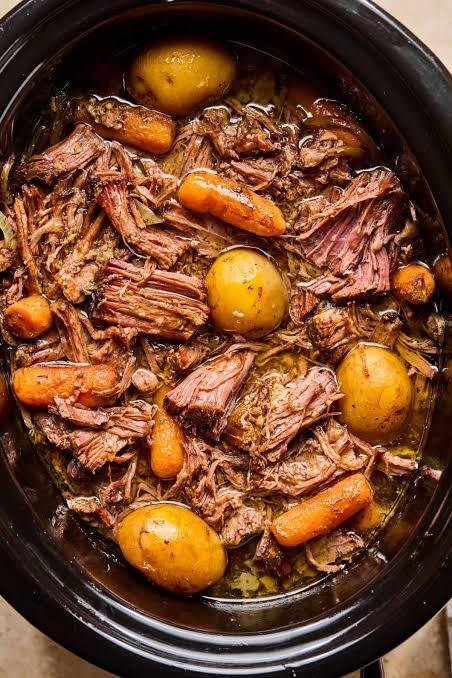
For me, crockpot pot roast is one of those recipes that feels much harder to make than it actually is. You do a little preparation, put everything into the slow cooker, and then let time do most of the work. By dinner, the beef is wonderfully tender, the vegetables are soft and flavorful, and the cooking liquid has transformed into a delicious savory sauce.
That is the magic of slow cooking. A simple chuck roast can become the kind of meal that tastes like you spent your entire afternoon in the kitchen. And honestly, I am perfectly happy letting my Crockpot take the credit!
Pot roast is traditionally made with tougher cuts of beef that become tender through long, slow cooking. Chuck roast is especially popular because its marbling and connective tissue work beautifully with this cooking method. :contentReference[oaicite:0]{index=0}
This recipe is perfect for Sunday dinner, a cozy family meal, or a busy weekday when you want to prepare dinner in the morning and forget about it until evening. So grab your slow cooker, and let me show you how I make this wonderfully tender Crockpot pot roast.
Recipe Origin & Story
Pot roast is a classic comfort-food dinner with a wonderfully simple idea behind it: take a flavorful but relatively tough cut of beef and cook it slowly with vegetables and liquid until it becomes tender.
The rise of the slow cooker made this style of cooking even more convenient. The Crock-Pot became popular in American home kitchens during the 1970s, helping families prepare hearty meals with relatively little hands-on work. :contentReference[oaicite:1]{index=1}
I think that is one reason pot roast has stayed so popular. It is practical food. You do not need complicated techniques or expensive ingredients. You need a good piece of beef, some vegetables, flavorful liquid, and patience.
Many traditional versions use chuck roast along with carrots, onions, potatoes, celery, garlic, herbs, and beef broth. Some recipes also add tomato paste, Worcestershire sauce, wine, or other seasonings to create a deeper gravy. :contentReference[oaicite:2]{index=2}
My version keeps that comforting spirit while making the process approachable. I like to sear the beef first when I have a few extra minutes because that gives the roast a beautifully browned exterior and adds another layer of flavor. But if you are in a hurry, the slow cooker can still produce a wonderfully tender roast without searing. :contentReference[oaicite:3]{index=3}
Either way, the final result is the same kind of meal I love: tender beef, soft vegetables, rich gravy, and plenty of leftovers for the next day.
Ingredient Spotlight
- Main Star: Beef chuck roast is my first choice for Crockpot pot roast. Its marbling and connective tissue make it especially well suited to low-and-slow cooking, where it can become incredibly tender. :contentReference[oaicite:4]{index=4}
- Secret Boost: Worcestershire sauce adds a small but powerful savory boost to the cooking liquid. A little tomato paste, garlic, and dried herbs can also give the broth a deeper flavor.
- Quality Tips: Look for a chuck roast with visible marbling rather than a completely lean piece of beef. Choose firm carrots and potatoes without soft spots, and use fresh garlic and onions whenever possible.
Beef chuck: Do not be worried if your chuck roast looks a little fatty before cooking. That fat and connective tissue are part of what makes the finished roast so rich and tender.
Potatoes: Yukon Gold or baby potatoes are excellent choices because they hold their shape fairly well during long cooking. Red potatoes are another good option.
Carrots: Carrots become naturally sweet as they cook and soak up the savory juices from the roast.
Onion: Onion forms an important flavor base. As it cooks slowly, it softens and adds sweetness to the broth.
Garlic: Fresh garlic gives the roast a warm, savory aroma that works beautifully with beef.
Beef broth: Use a good-quality broth or stock because it becomes part of your final gravy. A low-sodium option gives you more control over the salt.
Herbs: Thyme, rosemary, parsley, and bay leaves are classic choices. You do not need all of them; even one or two can make the roast taste wonderfully aromatic.
Nutritional Benefits
This pot roast is a hearty meal that provides protein from the beef along with nutrients such as iron and vitamin B12. The vegetables contribute fiber, vitamins, minerals, and natural sweetness.
Carrots provide beta-carotene, while potatoes provide carbohydrates and potassium. Adding plenty of vegetables can also make the meal more filling without relying entirely on meat.
If you want to lighten the meal, choose a leaner portion of roast, trim some visible fat before cooking, and serve the beef with extra vegetables. You can also serve smaller portions of gravy while adding a fresh green salad on the side.
Remember that the nutritional value will depend on the size of your serving and the exact ingredients you use, especially the amount of beef, gravy, and added fat.
Adaptable Variations
- Dietary Swaps: Use gluten-free Worcestershire sauce and broth if needed. For a dairy-free meal, simply leave out butter or cream-based gravy additions. The basic recipe is naturally dairy-free.
- Flavor Twists: Add mushrooms, rosemary, smoked paprika, pepperoncini, a little Dijon mustard, or extra garlic for a different flavor profile.
- Seasonal Spins: Use hearty root vegetables during winter, fresh green beans during summer, mushrooms and parsnips in autumn, or peas and fresh herbs during spring.
You can also change the vegetables depending on what you already have. Sweet potatoes can replace some of the regular potatoes. Parsnips add a slightly sweet flavor, while mushrooms bring a deeper earthy taste.
For a richer gravy, add a little tomato paste to the broth. For a brighter version, finish the dish with fresh parsley and a small splash of Worcestershire sauce.
If you love garlic, add several extra cloves. Slow-cooked garlic becomes wonderfully soft and mellow, so you can use more than you might normally use in a quick skillet recipe.
For an extra-herby version, add fresh rosemary and thyme. Just remember to remove woody herb stems and bay leaves before serving.
Cooking Science Explained
Why does chuck roast become tender? Chuck contains connective tissue that needs time and moisture to break down. Slow cooking allows that process to happen gradually, transforming a tougher cut into tender, pull-apart beef. :contentReference[oaicite:5]{index=5}
Why is searing useful? Searing creates browning on the outside of the beef, which adds savory roasted flavors. It is not essential for tenderness, but it can make the finished dish taste more deeply developed. :contentReference[oaicite:6]{index=6}
Why should I avoid opening the lid? Every time you remove the slow cooker’s lid, you allow heat and steam to escape. Since the whole point is steady, gentle cooking, keeping the lid closed helps maintain the cooking environment.
Why does the roast sometimes seem tough? This is an important one. If your chuck roast is still tough, it may simply need more cooking time. With slow-cooked beef, “tough” does not always mean overcooked. Connective tissue needs enough time to break down.
So if your roast is not falling apart yet, do not panic. Give it more time and check again.
Easy, Step-by-Step Recipe
Ingredients
- 3 to 4 pounds beef chuck roast
- 2 tablespoons olive oil
- 2 teaspoons kosher salt
- 1 teaspoon freshly ground black pepper
- 1 teaspoon garlic powder
- 1 teaspoon dried thyme
- 1/2 teaspoon dried rosemary
- 1 large yellow onion, cut into wedges
- 4 cloves garlic, minced
- 4 large carrots, peeled and cut into large pieces
- 1 1/2 pounds baby potatoes, halved if large
- 2 cups low-sodium beef broth
- 2 tablespoons Worcestershire sauce
- 1 tablespoon tomato paste
- 2 bay leaves
- 2–3 sprigs fresh thyme, optional
- 2 tablespoons chopped fresh parsley
Instructions
- Prepare the beef: Remove the chuck roast from its packaging and pat it dry with paper towels. This helps the seasoning stick and encourages better browning if you choose to sear it.
- Season generously: Mix the salt, black pepper, garlic powder, dried thyme, and rosemary. Rub the seasoning mixture all over the roast.
- Sear the roast: Heat the olive oil in a large skillet over medium-high heat. Sear the roast for several minutes on each side until nicely browned. This step is optional, but I recommend it when you have the time. Searing is commonly used in slow-cooker pot roast recipes to build additional flavor. :contentReference[oaicite:7]{index=7}
- Prepare the Crockpot: Place the onion, carrots, and potatoes into the bottom of a 6-quart slow cooker.
- Add the garlic: Sprinkle the minced garlic over the vegetables.
- Place in the roast: Set the browned chuck roast on top of the vegetables.
- Mix the cooking liquid: In a bowl, whisk together the beef broth, Worcestershire sauce, and tomato paste.
- Pour into the Crockpot: Pour the mixture around the roast. Do not worry if the liquid does not completely cover the meat. Pot roast is braised rather than fully submerged.
- Add herbs: Place the bay leaves and fresh thyme around the roast.
- Slow cook: Cover and cook on LOW for approximately 8 hours, or until the beef is fork-tender. Many slow-cooker pot roast recipes use around 8 hours on low for chuck roast. :contentReference[oaicite:8]{index=8}
- Check the vegetables: The potatoes and carrots should be tender but not completely falling apart.
- Rest the beef: Carefully remove the roast and let it rest for about 10 minutes before slicing or shredding.
- Make the gravy: Remove the bay leaves and herb stems. If you want thicker gravy, transfer some of the cooking liquid to a saucepan and simmer it until reduced. You can also use a cornstarch slurry to thicken it.
- Slice or shred: Slice the beef against the grain or gently pull it apart with two forks.
- Serve: Arrange the beef and vegetables on a serving platter. Spoon plenty of gravy over the top and finish with fresh parsley.
One of the best things about this recipe is that the timing is forgiving. Depending on your slow cooker and the size of your roast, cooking time can vary. The real goal is not simply to reach a certain number of hours—it is to cook the beef until it is tender enough to pull apart easily.
If your roast is not tender after eight hours, let it continue cooking and check it again later. Different slow cookers can cook at slightly different rates.
Practical & Valuable Tips
- Storage: Store leftover pot roast and vegetables in airtight containers in the refrigerator for up to about 3–4 days.
- Serving Ideas: Serve with mashed potatoes, dinner rolls, green beans, a simple salad, or roasted vegetables.
- Substitutions: Yukon Gold potatoes, red potatoes, parsnips, mushrooms, or sweet potatoes can replace or supplement the vegetables.
One of my biggest tips is to cut the vegetables into fairly large pieces. They will spend several hours cooking, and very small pieces can become overly soft.
I also recommend keeping the potatoes roughly similar in size so they finish cooking at approximately the same time.
If you want an especially rich gravy, do not throw away that cooking liquid. It contains all the savory flavors from the beef, vegetables, garlic, herbs, and Worcestershire sauce.
For a thicker gravy, combine 2 tablespoons cornstarch with 2 tablespoons cold water. Stir until smooth, then whisk it into simmering cooking liquid a little at a time until you reach the consistency you like.
Another useful tip is to save leftover gravy. It is fantastic over mashed potatoes, rice, noodles, or even leftover roast beef sandwiches.
Make-Ahead & Batch-Cooking
Crockpot pot roast is one of those meals that actually makes life easier when you prepare it ahead.
You can chop the onions and carrots the night before, wash the potatoes, prepare your seasoning mixture, and refrigerate everything separately. In the morning, assemble the slow cooker and start cooking.
You can also cook the entire roast ahead of time. Once it has cooled, store the beef in some of its cooking juices. Keeping the meat with the juices helps it stay moist when reheated.
Leftover pot roast is incredibly versatile. You can use shredded beef in sandwiches, tacos, quesadillas, rice bowls, shepherd’s-pie-style leftovers, or simply serve it with fresh vegetables.
Slow-cooker pot roast is also freezer friendly. Some recipes specifically recommend freezing leftover meat for later meals such as sandwiches and tacos. :contentReference[oaicite:9]{index=9}
For best results, freeze the beef with a little gravy or cooking liquid. Thaw it in the refrigerator and reheat gently on the stovetop or in the microwave.
Eco-Friendly Kitchen Hacks
- Use the same slow cooker for the entire meal instead of heating a separate oven for several hours.
- Save leftover beef and gravy for another meal rather than throwing them away.
- Turn extra vegetables into soup or a quick beef stew.
- Use leftover roast in sandwiches, tacos, wraps, or rice bowls.
- Buy vegetables in quantities you know you will use and freeze suitable leftovers.
- Save extra cooking liquid to enrich soups, gravies, or sauces.
Slow-cooker meals are also wonderful for reducing the temptation to order takeout. You can prepare the meal in the morning, come home to a cooked dinner, and have very little cleanup afterward.
And if you have leftover vegetables that are starting to look tired, you can often add them to the pot. Just choose vegetables that can handle several hours of cooking.
I especially love using leftover roast for sandwiches the next day. Add shredded beef, a little gravy, cheese, and toasted bread, and suddenly yesterday’s dinner feels like a completely new meal.
Pairing Suggestions
- Beverages: Iced tea, sparkling water with lemon, lemonade, apple cider, or a warm herbal tea.
- Sides & Sauces: Creamy mashed potatoes, crusty dinner rolls, green beans, roasted Brussels sprouts, simple garden salad, buttered noodles, or extra homemade gravy.
Because the pot roast already contains meat and vegetables, you really do not need a complicated side dish.
A warm dinner roll is perfect for soaking up the gravy. If you are serving the roast for a Sunday dinner, creamy mashed potatoes make the meal feel extra special.
For something lighter, serve it with steamed green beans or a crisp green salad. The freshness helps balance the richness of the beef and gravy.
If you are serving this meal during colder months, I also love adding roasted Brussels sprouts or glazed carrots.
And please put the extra gravy on the table. Someone will absolutely want more!
Frequently Asked Questions
- What is the best cut of beef for Crockpot pot roast?
Chuck roast is one of the best choices because it contains connective tissue and marbling that respond well to long, slow cooking. It can become wonderfully tender when cooked properly. :contentReference[oaicite:10]{index=10} - Do I have to sear the roast before putting it in the Crockpot?
No. Searing is optional. It can add extra browned, savory flavor, but some slow-cooker recipes skip this step and still produce tender pot roast. :contentReference[oaicite:11]{index=11} - Why is my Crockpot pot roast tough?
If the roast is still tough, it may need more cooking time. Tough cuts such as chuck need enough time for connective tissue to break down. Continue cooking until the beef becomes fork-tender rather than stopping strictly because the clock says dinner time. - Can I make pot roast ahead of time?
Absolutely. Pot roast reheats very well, especially when stored with some of its cooking juices or gravy. You can also freeze portions for another meal. :contentReference[oaicite:12]{index=12}
Call to Action
If you have been looking for a dinner that is comforting, filling, and surprisingly easy, I hope you give this Crockpot pot roast a try.
There is something wonderful about putting a roast, vegetables, herbs, and broth into the slow cooker in the morning and knowing that dinner is already underway. You can get on with your day while the Crockpot slowly transforms everything into a rich and comforting meal.
Save this recipe for your next Sunday dinner, busy weeknight, or cozy family gathering. Pin it to your favorite dinner board so you can easily find it when you need a comforting meal.
And if you make it, I would love to hear how you changed it. Did you add mushrooms? Extra garlic? Pepperoncini? Did you make a thick homemade gravy? Did you serve it with mashed potatoes?
There is no wrong way to make a family-style pot roast as long as the beef ends up tender and the table is full of happy people.
Bonus: Your Kitchen Notes
This is where I want you to make the recipe yours.
Your kitchen note: Write down your favorite chuck roast size, your preferred vegetables, how long your particular slow cooker takes, and the seasonings your family enjoys most.
If you like a classic flavor, stick with beef broth, garlic, onion, thyme, carrots, and potatoes.
If you love bold flavors, add Worcestershire sauce, tomato paste, rosemary, extra garlic, and plenty of black pepper.
If your family loves mushrooms, add them during the later part of cooking so they retain more texture. If you love onions, use plenty—they become incredibly soft and flavorful after hours in the cooking liquid.
You can even turn this into a complete “leftover plan.” Enjoy the traditional roast and vegetables on the first night. The next day, shred the leftover beef for sandwiches. Then use any remaining beef and gravy in a hearty soup or stew.
That is one of the reasons I keep coming back to pot roast. It is not just one dinner. It can become several easy meals from one slow-cooked roast.
And honestly, the best part may be the smell that fills your kitchen while it cooks. You start with a simple chuck roast, a few vegetables, and some pantry staples. Several hours later, you have tender beef that practically falls apart, vegetables soaked in savory juices, and gravy begging to be spooned over everything.
So, if your day is busy but you still want a homemade dinner, let your Crockpot do the heavy lifting.
Season the beef. Add your vegetables. Pour in the broth. Turn on the slow cooker. Then walk away and let time work its magic.
Because a tender, juicy Crockpot pot roast is proof that some of the best comfort-food dinners are also the easiest ones.