Personalized Introduction
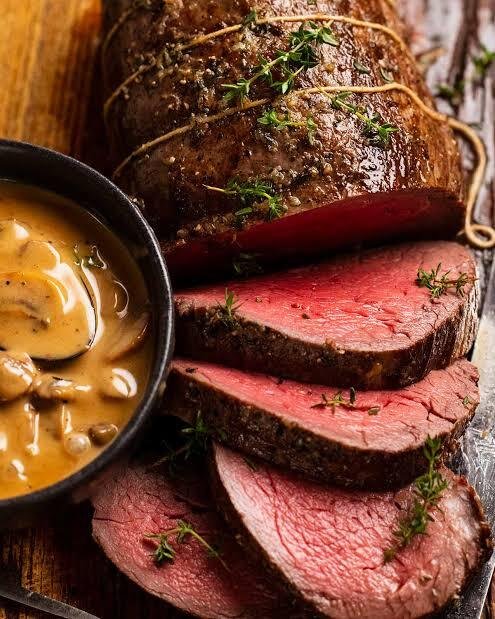
There are some meals that instantly make dinner feel like a special occasion, and a beautifully roasted beef tenderloin is one of my favorites. The first time you bring one to the table, golden brown on the outside and beautifully juicy inside, it has that wonderful “wow” factor without needing a complicated list of ingredients.
Have you ever looked at beef tenderloin at the store and thought, “This looks delicious, but I am afraid I will ruin it”? I completely understand. Tenderloin is a special cut, and because it is naturally tender and relatively lean, you do not want to overcook it.
The good news is that making a gorgeous roasted beef tenderloin at home is much easier than it sounds. The trick is to keep the seasoning simple, create a flavorful browned crust, and most importantly, use a thermometer instead of relying only on cooking time.
I love this recipe because garlic, rosemary, thyme, olive oil, butter, and black pepper are all the beef really needs. You let the quality of the meat shine instead of covering it with too many competing flavors.
Beef tenderloin is one of the most tender cuts of beef, and it is especially popular for holidays, celebrations, dinner parties, and other meals where you want something elegant. The USDA lists a whole beef tenderloin roast at 4–6 pounds as a roast that can be cooked at 425°F, with an approximate total roasting time of 45–60 minutes. :contentReference[oaicite:0]{index=0}
So, if you have a special dinner coming up, let me show you how to make a tenderloin that looks impressive but is actually quite straightforward.
Recipe Origin & Story
Beef tenderloin has long had a reputation as a luxurious cut of beef because of its exceptional tenderness. The cut comes from an area of the animal that does very little work, which helps explain why the meat has such a soft texture.
You may also hear beef tenderloin called filet or filet mignon, although those names can refer to different portions or preparations of the same general tenderloin muscle.
When I think of roasted tenderloin, I think of those dinners where everyone gathers around the table and the food feels just a little more celebratory. Maybe it is a birthday, a holiday, an anniversary, or simply a weekend when you want to cook something special.
And the beauty is that the recipe does not need to be complicated. A good tenderloin can be seasoned with garlic and herbs, browned in a hot skillet, and finished in the oven. High-heat searing creates flavorful browning on the exterior, while roasting cooks the center gently and evenly. :contentReference[oaicite:1]{index=1}
That simple combination gives you what I think every great roast should have: a flavorful crust, a juicy center, and enough pan juices to turn into a quick sauce.
Ingredient Spotlight
- Main Star: Beef tenderloin is the star here. Look for a well-trimmed roast with a consistent thickness. A whole tenderloin can have a thinner tail, so tying it helps create a more even shape for roasting.
- Secret Boost: Fresh garlic, rosemary, thyme, and Dijon mustard create a savory herb coating that gives the beef plenty of flavor without hiding its natural taste.
- Quality Tips: Choose a fresh tenderloin with a clean appearance and even thickness. If possible, ask your butcher to trim the silverskin and excess fat. Fresh herbs are especially nice for this recipe because their aroma becomes wonderfully fragrant during roasting.
Garlic: Fresh garlic provides a warm, savory flavor that pairs naturally with beef.
Rosemary: Rosemary has a bold, pine-like aroma that works particularly well with roasted meats. You only need a little.
Thyme: Thyme adds a softer herbal note and helps balance the stronger rosemary.
Dijon mustard: A small amount adds tanginess and helps the herb mixture cling to the beef.
Butter: Butter adds richness and can be combined with the pan juices to create a quick sauce for serving.
Nutritional Benefits
Beef tenderloin is naturally rich in high-quality protein, which helps make it a satisfying centerpiece for a meal. Beef also provides nutrients such as iron, zinc, and vitamin B12.
Because tenderloin is relatively lean compared with some other cuts, you can create a flavorful meal without needing a heavy sauce. The garlic and fresh herbs add plenty of flavor with very few calories.
For a balanced dinner, I like to serve the tenderloin with roasted vegetables, asparagus, green beans, or a fresh salad. You can add potatoes for a more filling meal or keep the sides vegetable-focused for something lighter.
Of course, the nutritional value will depend on portion size and how much butter or sauce you serve with the beef.
Adaptable Variations
- Dietary Swaps: Use olive oil instead of butter for a dairy-free version. The beef, herbs, garlic, and mustard are naturally gluten-free, but always check packaged ingredients such as mustard or broth if you need to avoid gluten.
- Flavor Twists: Add cracked black pepper, shallots, lemon zest, parsley, horseradish, smoked paprika, or a small amount of rosemary-infused butter.
- Seasonal Spins: Serve with asparagus and peas in spring, grilled vegetables in summer, roasted squash in autumn, or creamy potatoes and Brussels sprouts during winter.
If you want a classic steakhouse-style flavor, keep the seasoning simple with salt, pepper, garlic, and rosemary.
For something slightly more elegant, make a quick Dijon-herb butter to spread over the slices just before serving.
For a holiday dinner, you can serve the tenderloin with roasted mushrooms and a rich pan sauce.
If you love a little heat, add crushed black pepper and a pinch of red pepper flakes to the herb mixture. A small spoonful of prepared horseradish on the side is also fantastic with tender beef.
Cooking Science Explained
Why sear the tenderloin? Searing exposes the surface to intense heat and creates browning that adds deep, savory flavor. It is not what makes tenderloin tender—the cut is already naturally tender—but it gives the outside much more character. :contentReference[oaicite:2]{index=2}
Why use a thermometer? Tenderloin can move from beautifully juicy to overcooked surprisingly quickly. Cooking time is only an estimate because roast size, starting temperature, oven performance, and shape can all affect how quickly the center heats. USDA guidance recommends using a food thermometer rather than relying only on timing. :contentReference[oaicite:3]{index=3}
Why let it rest? Resting gives the roast time to finish cooking and allows the juices to settle before slicing. The USDA recommends that beef roasts reach at least 145°F and rest for at least three minutes for safety. :contentReference[oaicite:4]{index=4}
And here is my favorite little rule: do not cut the roast immediately just because you are excited. Give it a few minutes. I promise the wait is worth it.
Easy, Step-by-Step Recipe
Ingredients
- 1 whole beef tenderloin roast, approximately 3–4 pounds, trimmed
- 2 tablespoons olive oil
- 2 tablespoons unsalted butter, softened
- 4 cloves garlic, finely minced
- 1 tablespoon fresh rosemary, finely chopped
- 1 tablespoon fresh thyme leaves
- 1 tablespoon Dijon mustard
- 2 teaspoons kosher salt
- 1 teaspoon freshly ground black pepper
- 1 tablespoon Worcestershire sauce
- 1 tablespoon chopped fresh parsley, for garnish
Instructions
- Prepare the beef: Remove the tenderloin from the refrigerator and pat it thoroughly dry with paper towels. If the roast has a thin tail, tuck it underneath and tie the roast with kitchen twine at regular intervals to create a more even shape.
- Let it sit briefly: Allow the beef to sit out while you prepare the herb mixture. Avoid leaving raw meat at room temperature for extended periods.
- Make the herb mixture: In a small bowl, combine softened butter, minced garlic, rosemary, thyme, Dijon mustard, Worcestershire sauce, salt, and black pepper.
- Season the tenderloin: Rub the herb mixture evenly over the entire roast. Try to coat the sides as well as the top.
- Preheat the oven: Heat your oven to 425°F (218°C). USDA roasting guidance lists 425°F for whole beef tenderloin and gives approximately 45–60 minutes for a 4–6 pound roast, although the thermometer should determine when yours is ready. :contentReference[oaicite:5]{index=5}
- Heat the skillet: Place a large oven-safe skillet over medium-high heat and add the olive oil.
- Sear the beef: Carefully place the tenderloin in the hot skillet. Sear each major side for about 2–3 minutes, turning until the exterior develops a deep golden-brown crust.
- Transfer to the oven: Move the skillet directly into the preheated oven. Roast until the center reaches your desired doneness, checking with an instant-read thermometer in the thickest part.
- Check the temperature: For food safety, USDA guidance recommends a minimum internal temperature of 145°F (63°C), followed by at least a 3-minute rest. :contentReference[oaicite:6]{index=6}
- Remove and rest: Carefully transfer the tenderloin to a cutting board. Loosely tent it with foil and let it rest for at least 10 minutes.
- Make a quick pan sauce: While the beef rests, place the skillet over low heat. Add a small splash of beef broth or water and scrape up the browned bits from the bottom. Simmer briefly and taste for seasoning.
- Slice: Remove the kitchen twine and cut the tenderloin into thick slices with a sharp knife.
- Garnish and serve: Arrange the slices on a platter and spoon some of the pan sauce over the top. Finish with fresh parsley and a few small rosemary sprigs if desired.
One important thing I want you to remember is that cooking time is only a guide. The USDA specifically notes that appliances can vary and recommends using a food thermometer to determine whether beef has reached a safe temperature. :contentReference[oaicite:7]{index=7}
If you prefer your beef more done, simply continue roasting until it reaches the level you prefer. The USDA minimum for whole beef roasts is 145°F with at least a three-minute rest. :contentReference[oaicite:8]{index=8}
If you are serving guests with different preferences, slice the roast from the center outward. The center will generally be less done than the outer portions, giving everyone a chance to choose a slice they enjoy.
Practical & Valuable Tips
- Storage: Refrigerate leftover beef in an airtight container within two hours of cooking. Keep it chilled and use within a few days for best quality.
- Serving Ideas: Serve thick slices with mashed potatoes, roasted asparagus, green beans, mushrooms, roasted carrots, or a crisp salad.
- Substitutions: Replace rosemary with extra thyme, use olive oil instead of butter, or substitute a prepared herb blend when fresh herbs are unavailable.
Do not skip drying the beef. Patting the tenderloin dry before seasoning helps the surface brown more effectively.
Do not overcrowd the skillet. If you are working with a very large roast, use a skillet or roasting pan that gives it plenty of room.
Use an oven-safe thermometer if you have one. This makes it much easier to monitor the internal temperature without repeatedly opening the oven.
Slice against the grain. Look for the direction of the muscle fibers and cut across them. This makes each bite feel even more tender.
And if you are nervous about cooking such an expensive cut, remember this: the thermometer is your best friend. You do not have to guess.
Make-Ahead & Batch-Cooking
Beef tenderloin is actually a great recipe to prepare partly in advance, especially when you are hosting a dinner.
You can trim and tie the tenderloin earlier in the day. You can also mix the garlic-herb butter ahead of time and keep it covered in the refrigerator.
For even more flavor, season the beef ahead of time and refrigerate it. Some modern beef tenderloin recipes recommend seasoning the roast in advance so the salt has time to penetrate the meat. :contentReference[oaicite:9]{index=9}
When you are ready to cook, remove it from the refrigerator, prepare your skillet, and proceed with the recipe.
Leftover tenderloin is wonderful cold or gently reheated. Thinly slice it and use it in steak sandwiches, salads, wraps, grain bowls, or breakfast hash.
If you have leftover pan sauce, save it too. A spoonful of rich beef sauce can turn a simple sandwich or bowl into something special.
Eco-Friendly Kitchen Hacks
- Use the skillet for both searing and roasting to reduce dishes.
- Save leftover beef for sandwiches, salads, wraps, or breakfast instead of wasting it.
- Turn leftover vegetables into a hash or soup.
- Save herb stems and vegetable scraps for homemade stock when appropriate.
- Use a reusable food container rather than disposable storage bags for leftovers.
- Plan your side dishes around vegetables you already have in the refrigerator.
A special dinner does not have to create a mountain of waste. If you buy fresh herbs for this recipe, use the extras in salads, roasted vegetables, eggs, or homemade sauces during the week.
And remember that leftover tenderloin is too good to waste. Even a small amount can make an incredible sandwich the next day.
Pairing Suggestions
- Beverages: Sparkling water with lemon, iced tea, cranberry spritzers, or a full-bodied red wine for those who enjoy wine.
- Sides & Sauces: Garlic mashed potatoes, roasted asparagus, green beans, mushrooms, glazed carrots, creamy horseradish sauce, Dijon sauce, or a simple pan gravy.
If I am serving beef tenderloin for a holiday dinner, I usually want something creamy and comforting beside it. Garlic mashed potatoes are an easy winner.
For a lighter plate, roasted asparagus or green beans are fantastic. Their fresh flavor cuts through the richness of the beef.
Mushrooms are another classic pairing. Sauté them with garlic, butter, and thyme, then spoon them alongside the tenderloin.
And if you love a little sharpness, serve a small bowl of creamy horseradish sauce on the side. That tangy flavor is fantastic with tender beef.
Frequently Asked Questions
- What temperature should beef tenderloin reach?
For food safety, the USDA recommends cooking whole beef roasts to a minimum internal temperature of 145°F (63°C), followed by at least a 3-minute rest. Use a food thermometer inserted into the thickest part of the roast. :contentReference[oaicite:10]{index=10} - How long does beef tenderloin take to roast?
Cooking time depends on the size and shape of the roast. USDA guidance lists approximately 45–60 minutes for a whole 4–6 pound tenderloin at 425°F. Always use internal temperature rather than time alone to determine doneness. :contentReference[oaicite:11]{index=11} - Should I sear beef tenderloin before roasting?
I recommend it because searing creates a delicious browned exterior and adds savory flavor. You can sear the tenderloin in an oven-safe skillet and then transfer the same skillet directly into the oven. High-heat searing followed by roasting is a common technique for beef tenderloin. :contentReference[oaicite:12]{index=12} - Why should beef tenderloin rest before slicing?
Resting gives the roast time to finish cooking and helps the juices settle. The USDA requires at least three minutes of rest for its safe minimum temperature recommendation, while a longer rest can also make a large roast easier to slice cleanly. :contentReference[oaicite:13]{index=13}
Call to Action
If you have been saving that special occasion for the “perfect” recipe, this beef tenderloin is a wonderful one to try.
It looks elegant, tastes incredible, and does not require a complicated technique. Season it well, give it a beautiful sear, roast it carefully, and let your thermometer guide you.
Serve it with creamy potatoes and vegetables for a classic dinner, or keep the sides simple and let the beef take center stage.
And remember, you do not need to wait for a holiday. Sometimes a Saturday night at home is the perfect reason to make something special.
If you make this recipe, save it to your favorite Pinterest dinner board and share it with someone who loves a good steak dinner. I would also love to hear how you served yours—garlic butter, horseradish sauce, mushrooms, or a simple pan gravy?
Make it your own, slice it thick, spoon that sauce over the top, and enjoy every bite.
Bonus: Your Kitchen Notes
This is where you can make this recipe truly yours.
Your kitchen note: Write down the weight of your tenderloin, the cooking time your oven required, the final internal temperature, and the seasonings your family enjoyed most.
If you loved the garlic flavor, add another clove next time. If rosemary was too strong, use more thyme instead. If you loved the sauce, make a double batch and serve it with the vegetables as well.
You can also keep notes about your favorite side dishes. Maybe mashed potatoes were perfect for your family, or perhaps roasted asparagus became the unexpected favorite.
And if you are preparing this for a holiday dinner, write down your entire menu. The next time the occasion comes around, you will already have a plan.
That is one of my favorite things about cooking at home. Every recipe becomes better as you make it your own. The first time you prepare beef tenderloin, you learn how your oven cooks it. The second time, you adjust the seasoning. The third time, you already feel confident enough to serve it to guests without worrying.
So do not be intimidated by the name “beef tenderloin.” It may sound fancy, but the cooking process can be beautifully simple.
Start with a quality roast. Season it generously. Brown the outside. Roast it carefully. Check the temperature. Let it rest.
Then slice into that gorgeous roast and serve it with your favorite sides.
Because when you combine naturally tender beef with garlic, herbs, a golden crust, and a little patience, you get the kind of dinner that turns an ordinary evening into something worth remembering.