Personalized Introduction
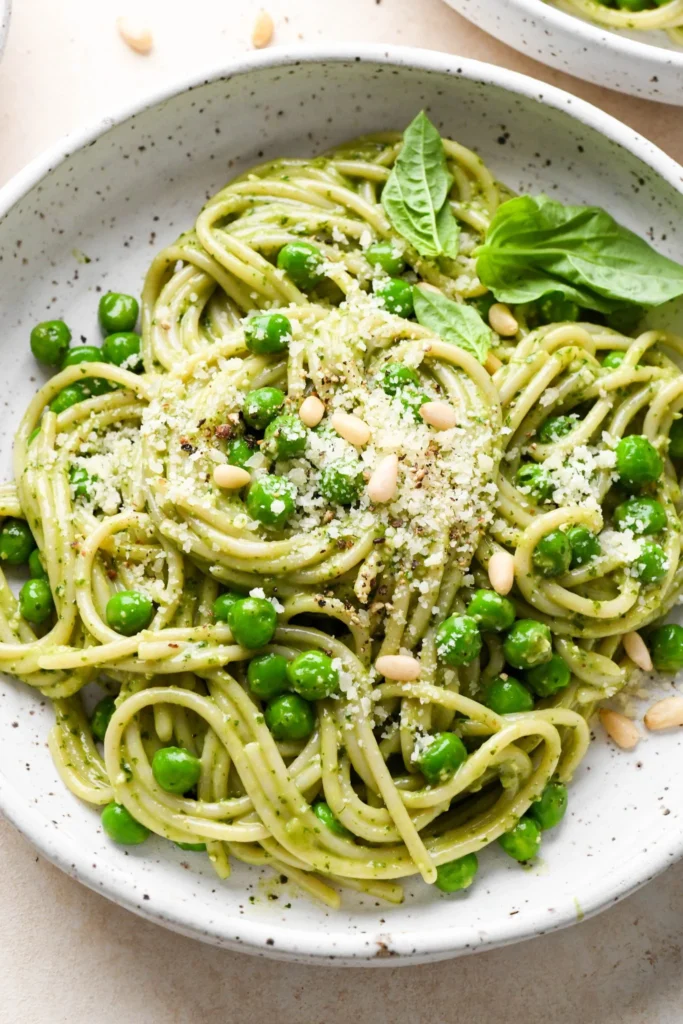
When I need a quick dinner that tastes fresh and comforting at the same time, pesto pasta is one of my favorite recipes to make. It comes together with just a handful of simple ingredients, but the combination of basil pesto, Parmesan, garlic, and perfectly cooked pasta creates incredible flavor.
I love this recipe because it is fast enough for a busy weeknight but delicious enough to serve when friends come over. The pesto coats every piece of pasta with a bright, herby, garlicky sauce, while Parmesan adds a savory finish.
You can keep it simple or turn it into a complete meal by adding grilled chicken, shrimp, cherry tomatoes, spinach, roasted vegetables, or mozzarella. It is also a great recipe for using ingredients you already have in the refrigerator.
If you are looking for an easy pasta dinner that requires very little effort, this pesto pasta deserves a place in your regular recipe rotation.
Recipe Origin & Story
Pesto is traditionally associated with Genoa in the Liguria region of Italy. Classic pesto alla Genovese is made with fresh basil, garlic, pine nuts, Parmesan, Pecorino, and olive oil.
For an easy home version, prepared basil pesto makes the recipe incredibly convenient. You can have a flavorful pasta dinner on the table in roughly 20 minutes without making the pesto from scratch.
The most important trick is to avoid overheating the pesto. Instead of aggressively cooking it, toss it with the hot pasta off the heat. This helps preserve its fresh basil flavor and vibrant character.
Ingredient Spotlight
- Main Star: Basil pesto provides the fresh, herby flavor that makes this pasta special.
- Secret Boost: Freshly grated Parmesan and reserved pasta water help create a silky sauce that clings to the noodles.
- Quality Tips: Use good-quality pesto and freshly grated Parmesan for the best flavor.
Pasta: Spaghetti, linguine, penne, fusilli, farfalle, and rigatoni all work beautifully.
Pesto: Store-bought pesto keeps this recipe quick, while homemade pesto gives it an especially fresh flavor.
Parmesan: Fresh Parmesan adds salty, nutty flavor and makes the pasta taste more luxurious.
Olive oil: A drizzle of good olive oil enhances the pesto and adds richness.
Garlic: Fresh garlic can be added for extra savory flavor, especially if your pesto is mild.
Lemon: A small squeeze of fresh lemon juice brightens the entire dish.
Nutritional Benefits
Pesto pasta provides carbohydrates from the pasta and fats and some protein from the pesto, Parmesan, and olive oil. Basil and garlic also contribute plant compounds and flavor without requiring heavy seasoning.
To make the meal more balanced, I like adding vegetables such as spinach, broccoli, peas, zucchini, or cherry tomatoes.
You can also add grilled chicken, shrimp, or chickpeas when you want additional protein.
Adaptable Variations
- Dietary Swaps: Use gluten-free pasta or dairy-free pesto and cheese alternatives when needed.
- Flavor Twists: Add lemon zest, red pepper flakes, sun-dried tomatoes, olives, mushrooms, or fresh mozzarella.
- Seasonal Spins: Use fresh tomatoes and zucchini in summer, roasted squash in fall, or peas and asparagus in spring.
Creamy Pesto Pasta: Stir in a splash of heavy cream or half-and-half for a richer sauce.
Chicken Pesto Pasta: Add sliced grilled or pan-seared chicken.
Shrimp Pesto Pasta: Toss in garlic-butter shrimp for an elegant dinner.
Tomato Pesto Pasta: Add halved cherry tomatoes and let their juices mingle with the pesto.
Spinach Pesto Pasta: Stir fresh baby spinach into the hot pasta until wilted.
Spicy Pesto Pasta: Add crushed red pepper flakes or a drizzle of chili oil.
Cooking Science Explained
Why cook pasta al dente? Pasta with a slight bite holds its shape and texture better when tossed with the sauce.
Why reserve pasta water? Starchy pasta water helps loosen pesto and creates a smoother sauce that coats the noodles instead of sitting in clumps.
Why add pesto off the heat? Excessive heat can dull the fresh basil flavor and affect the texture of the pesto.
Why add lemon? A little acidity balances the richness of the olive oil and cheese while making the basil flavor taste brighter.
Easy, Step-by-Step Recipe
Ingredients
- 12 ounces pasta
- 3/4 cup basil pesto
- 1/2 cup freshly grated Parmesan cheese
- 2 tablespoons extra-virgin olive oil
- 2 cloves garlic, minced
- 1/2 lemon, juiced
- 1/2 cup reserved pasta water, as needed
- 1/2 teaspoon black pepper
- Salt, to taste
- 2 tablespoons fresh basil, chopped, for garnish
- Extra Parmesan, for serving
Optional Add-Ins
- 1 cup cherry tomatoes, halved
- 2 cups fresh spinach
- 1 cup grilled chicken, sliced
- 1 cup cooked shrimp
- 1/4 cup toasted pine nuts
- 1/2 cup fresh mozzarella balls
- 1/4 teaspoon red pepper flakes
Instructions
- Boil the pasta: Bring a large pot of generously salted water to a boil.
- Cook the pasta: Add the pasta and cook according to the package directions until al dente.
- Reserve pasta water: Before draining, reserve about 1/2 cup of the cooking water.
- Prepare the flavor base: While the pasta cooks, combine the pesto, olive oil, Parmesan, minced garlic, black pepper, and lemon juice in a large bowl.
- Drain the pasta: Drain the pasta well, but do not rinse it. The starch on the surface helps the pesto cling to the noodles.
- Combine: Add the hot pasta directly to the pesto mixture.
- Toss gently: Use tongs to toss everything together until the pasta is evenly coated.
- Add pasta water: Add reserved pasta water one tablespoon at a time until the sauce becomes smooth and glossy.
- Add vegetables or protein: Fold in cooked chicken, shrimp, spinach, tomatoes, or any other desired additions.
- Taste and adjust: Add salt, black pepper, lemon juice, or Parmesan according to taste.
- Garnish: Finish with fresh basil, extra Parmesan, and toasted pine nuts if desired.
- Serve: Serve immediately while the pasta is warm and the pesto is fresh and aromatic.
Do not worry if the pesto initially looks slightly thick. The reserved pasta water is what transforms it into a smooth sauce that coats the pasta beautifully.
If you are adding cherry tomatoes, fresh mozzarella, or spinach, add them after tossing the pasta so they keep their texture and freshness.
Practical & Valuable Tips
- Storage: Store leftovers in an airtight container in the refrigerator for up to 3 days.
- Serving Ideas: Pair with garlic bread, roasted vegetables, a green salad, or grilled chicken.
- Substitutions: Use any pasta shape you enjoy and swap Parmesan for Pecorino Romano if preferred.
Salt the pasta water: Properly seasoned pasta water gives the noodles flavor from the inside.
Do not rinse the pasta: Keeping the surface starch helps the pesto adhere better.
Do not cook the pesto aggressively: Tossing it with hot pasta is enough to warm the sauce.
Use pasta water gradually: Start with a tablespoon or two and add more until the consistency is right.
Taste before adding salt: Pesto and Parmesan can already be quite salty.
Finish with fresh ingredients: Fresh basil, lemon, Parmesan, or tomatoes can make a simple bowl of pesto pasta taste restaurant-worthy.
Make-Ahead & Batch-Cooking
Pesto itself can be prepared ahead and refrigerated in an airtight container. If making homemade pesto, cover the surface with a thin layer of olive oil to help protect the basil from excessive air exposure.
You can also prepare your vegetables and protein ahead of time. Cooked chicken, shrimp, roasted vegetables, or halved tomatoes can be stored separately and added when you are ready to assemble the pasta.
For leftovers, gently reheat the pasta in a skillet over low heat. Add a splash of water or olive oil and toss until warmed through.
Avoid reheating pesto pasta over high heat because the basil flavor can become dull and the sauce may become oily.
For meal prep, store the pasta and toppings separately when possible. Add a small spoonful of pesto and a splash of water just before serving for a fresher texture.
Eco-Friendly Kitchen Hacks
- Use leftover vegetables instead of buying additional ingredients.
- Turn extra pesto into a sandwich spread, salad dressing, or dip.
- Save leftover pasta for a cold pasta salad the next day.
- Use broccoli stems, spinach, or herb leftovers in other meals.
- Freeze extra pesto in small portions for quick future dinners.
If you have leftover pesto, spoon it into ice cube trays and freeze it. Once frozen, transfer the portions to an airtight freezer bag or container. Small pesto portions are perfect for quick pasta dinners later.
Pairing Suggestions
- Beverages: Sparkling water with lemon, iced tea, lemonade, or a refreshing citrus drink.
- Sides: Garlic bread, Caprese salad, roasted asparagus, grilled zucchini, green salad, or roasted broccoli.
A fresh tomato salad is one of my favorite pairings because the acidity of the tomatoes complements the rich pesto beautifully.
For a heartier dinner, serve the pasta with grilled chicken or shrimp and some warm garlic bread.
If you want something lighter, pair a smaller serving of pesto pasta with a large green salad and roasted vegetables.
Frequently Asked Questions
- What pasta is best for pesto?
Almost any shape works, but spaghetti, linguine, fusilli, penne, and trofie-style pasta are especially good at holding pesto. - Can I use store-bought pesto?
Yes. Store-bought pesto makes this recipe especially quick and convenient. - Can I make pesto pasta creamy?
Yes. Stir in a little heavy cream, half-and-half, or cream cheese for a richer sauce. - Why is my pesto pasta dry?
The pasta may have absorbed too much sauce. Add a small amount of reserved pasta water and toss again. - Can I eat pesto pasta cold?
Absolutely. It makes an excellent cold pasta salad, especially with cherry tomatoes, mozzarella, spinach, and grilled vegetables. - Can I add chicken?
Yes. Grilled, roasted, or pan-seared chicken works very well. - Can pesto pasta be frozen?
It is best enjoyed fresh, but leftovers can be frozen. The texture may change slightly after thawing and reheating.
Call to Action
If you need a fast dinner that tastes fresh, comforting, and satisfying, this easy pesto pasta is a recipe worth saving.
With tender pasta, fragrant basil pesto, Parmesan, garlic, and a splash of lemon, you can create a delicious meal with very little effort.
Keep it simple for a quick weeknight dinner or add chicken, shrimp, vegetables, or mozzarella when you want something more substantial.
Cook your pasta, toss it with fresh pesto, add plenty of Parmesan, and enjoy a simple homemade dinner that tastes like summer in every bite.
Bonus: Your Kitchen Notes
Pesto pasta is one of those recipes that gives you plenty of room to experiment.
If your pesto tastes too rich, add lemon juice. If it feels too thick, add pasta water. If you want more texture, sprinkle toasted pine nuts over the top.
For a family dinner, add chicken and broccoli. For date night, try shrimp, cherry tomatoes, fresh mozzarella, and extra Parmesan.
You can even transform leftovers into a cold pasta salad by adding chopped tomatoes, cucumber, mozzarella, and a little extra pesto.
And if you make homemade pesto during basil season, freeze small portions so you can enjoy that fresh basil flavor throughout the year.
Simple ingredients, quick preparation, and incredible flavor make pesto pasta one of those dependable recipes you will want to make again and again.