Personalized Introduction
Have you ever looked at a few simple ingredients in your kitchen and wondered if you could turn them into something that tastes completely different from an ordinary weeknight dinner? That is exactly how I feel about Miso Pasta. It is simple, creamy, buttery, savory, and just a little unexpected.
If you already love pasta, I think you are going to have a lot of fun with this recipe. Miso paste brings a deep umami flavor that makes a simple butter sauce taste much more interesting. When you combine it with pasta water, Parmesan, garlic, and butter, you get a glossy sauce that clings beautifully to every strand of pasta. Similar miso pasta recipes rely on this combination of miso, butter, cheese, and starchy pasta water to create a creamy sauce without needing a complicated list of ingredients. :contentReference[oaicite:0]{index=0}
This is one of those dinners I would make when I want something comforting but do not want to spend an hour in the kitchen. You can have everything ready in around 20 minutes, depending on the pasta you choose. :contentReference[oaicite:1]{index=1}
And the best part? You do not need to be an expert cook. Once you understand how to use the pasta water and gently combine the ingredients, the sauce practically comes together by itself.
Recipe Origin & Story
Miso is a traditional Japanese fermented soybean paste with a savory, salty, slightly sweet flavor. It is best known for dishes such as miso soup, but it is incredibly useful in many other recipes. Its strong umami character makes it particularly good for adding depth to sauces. :contentReference[oaicite:2]{index=2}
Miso pasta is more of a modern fusion-style dish than a traditional Japanese recipe. The idea is wonderfully simple: take familiar Italian-style pasta and combine it with the deep savory flavor of Japanese miso.
I love this kind of cooking because it shows you that recipes do not always need to fit into one box. A little miso can turn ordinary buttered noodles into something that tastes rich and restaurant-worthy.
White or yellow miso is especially nice for this recipe because it has a relatively mild, slightly sweet flavor. Darker miso can also work, but it will give the finished pasta a stronger and more intense flavor. :contentReference[oaicite:3]{index=3}
For me, this is the perfect example of a pantry recipe. You boil pasta, save some of that precious cooking water, make a quick sauce, toss everything together, and dinner is ready.
Ingredient Spotlight
- Main Star: White miso paste gives this pasta its signature umami flavor. It is savory, mildly salty, and slightly sweet, making the sauce taste much deeper than a basic butter sauce. :contentReference[oaicite:4]{index=4}
- Secret Boost: Reserved pasta water is the secret to the creamy texture. Its starch helps the butter, miso, cheese, and water come together into a smooth sauce that coats the pasta. :contentReference[oaicite:5]{index=5}
- Quality Tips: Choose white or yellow miso for a milder sauce, use unsalted butter so you can control the salt, and freshly grate Parmesan when possible. :contentReference[oaicite:6]{index=6}
Pasta: Spaghetti, linguine, bucatini, fettuccine, or even short pasta shapes can work. Bucatini is especially fun because its hollow center gives the sauce plenty of places to cling. :contentReference[oaicite:7]{index=7}
Miso: White miso is my first choice here. It gives you plenty of flavor without overpowering the pasta. If you only have red miso, you can use it, but start with a smaller amount because the flavor is stronger. :contentReference[oaicite:8]{index=8}
Butter: Unsalted butter is ideal because miso already contains salt. This gives you much better control over the final seasoning. :contentReference[oaicite:9]{index=9}
Parmesan: Parmesan adds a nutty, salty richness and helps make the sauce feel extra luxurious.
Garlic: A little fresh garlic adds warmth and makes the buttery sauce even more aromatic.
Nutritional Benefits
Miso pasta is primarily a comfort-food recipe, but several ingredients contribute useful nutrients.
Miso is a fermented food and provides a concentrated source of flavor, meaning you do not need a huge amount to make an impact. Pasta provides carbohydrates for energy, while Parmesan contributes protein and calcium.
If you want to make this meal more balanced, add vegetables such as broccoli, peas, spinach, mushrooms, asparagus, or snap peas. Vegetables are easy to incorporate into miso pasta, and several recipe developers recommend using fresh, frozen, or leftover vegetables with this type of sauce. :contentReference[oaicite:10]{index=10}
You can also add a protein such as grilled chicken, shrimp, tofu, or crispy salmon if you want to turn this simple pasta into a more substantial dinner.
Adaptable Variations
- Dietary Swaps: Use plant-based butter and vegan Parmesan or nutritional yeast for a dairy-free and vegan version. For gluten-free pasta, simply choose your favorite gluten-free noodles and check the miso label because not every miso product is guaranteed gluten-free. :contentReference[oaicite:11]{index=11}
- Flavor Twists: Add chili flakes, sesame seeds, ginger, scallions, lemon zest, mushrooms, roasted garlic, or crispy breadcrumbs.
- Seasonal Spins: Use peas and asparagus in spring, zucchini and corn in summer, mushrooms and roasted squash in autumn, or broccoli and spinach during colder months.
Spicy Miso Pasta: Add red pepper flakes or chili crisp for a delicious spicy finish.
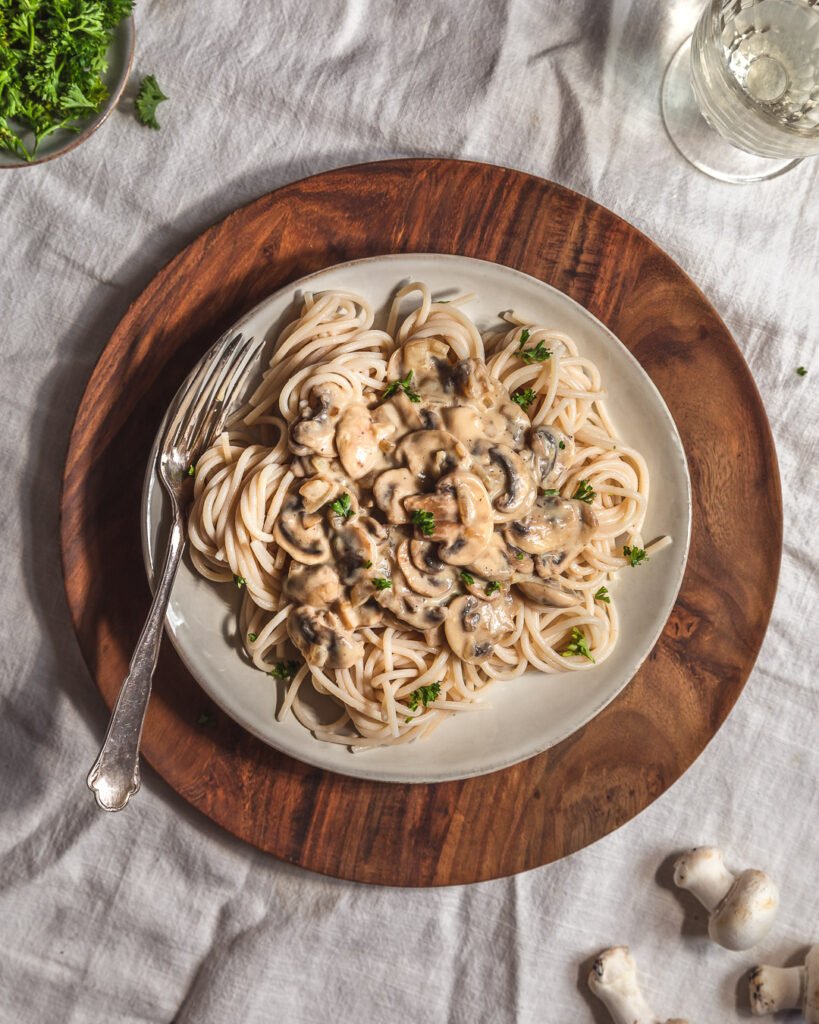
Mushroom Miso Pasta: Sauté sliced mushrooms until golden before adding the sauce. Their earthy flavor pairs beautifully with miso.
Lemon Miso Pasta: Add fresh lemon juice and a little zest at the end. The acidity brightens the rich sauce.
Garlic Butter Miso Pasta: Add an extra clove or two of garlic and let it gently cook in the butter before adding the miso mixture.
Veggie Miso Pasta: Add broccoli, peas, snap peas, spinach, asparagus, or green beans. Fresh and frozen vegetables can both work well. :contentReference[oaicite:12]{index=12}
Protein Miso Pasta: Add grilled chicken, shrimp, crispy tofu, or salmon for a heartier meal.
Cooking Science Explained
Why is pasta water so important? When pasta cooks, some of its starch moves into the water. That starchy liquid can help emulsify the butter and other sauce ingredients, creating a smoother and glossier sauce. :contentReference[oaicite:13]{index=13}
Why dissolve the miso first? Miso can be thick and difficult to distribute evenly if you drop it straight into melted butter. Whisking it with warm pasta water helps break it down and makes it much easier to create a smooth sauce. :contentReference[oaicite:14]{index=14}
Why should you avoid overcooking the pasta? The pasta continues cooking when you toss it with the hot sauce. Cooking it slightly less than the package’s recommended time helps keep it pleasantly firm rather than soft. :contentReference[oaicite:15]{index=15}
Think of the pasta water as your secret kitchen tool. Do not pour it all down the drain the moment the pasta is finished. I like to reserve more than I think I will need because adding a few tablespoons later can quickly bring a thick sauce back to life.
Easy, Step-by-Step Recipe
Ingredients
- 12 ounces spaghetti, linguine, or bucatini
- 4 tablespoons unsalted butter
- 1/4 cup white miso paste
- 2 cloves garlic, finely minced
- 1 cup reserved pasta water, plus more as needed
- 1/2 cup freshly grated Parmesan cheese
- 1/2 teaspoon freshly ground black pepper
- 1/4 teaspoon red pepper flakes, optional
- 1 teaspoon fresh lemon juice, optional
- 1 tablespoon chopped fresh parsley or chives
- Salt, only if needed
Optional Toppings
- Extra Parmesan
- Toasted sesame seeds
- Chopped scallions
- Red pepper flakes
- Crispy breadcrumbs
- Fresh parsley or chives
- Lemon zest
Instructions
- Boil the water: Bring a large pot of water to a boil. Salt it lightly, remembering that miso and Parmesan are already salty.
- Cook the pasta: Add the pasta and cook until just shy of al dente, following the package instructions as a guide. Cooking it about one minute less than the recommended time works well because it will finish in the sauce. :contentReference[oaicite:16]{index=16}
- Reserve pasta water: Before draining, scoop out at least 1 1/2 cups of the starchy pasta water. This is one step you really do not want to skip.
- Make the miso mixture: In a small bowl, whisk the miso paste with 3/4 cup of the hot pasta water until smooth.
- Melt the butter: Place a large skillet over medium-low heat. Add the butter and allow it to melt gently.
- Add garlic: Stir in the minced garlic and cook for about 20–30 seconds, just until fragrant. Do not let it become dark or bitter.
- Add miso: Pour the miso and pasta-water mixture into the skillet. Add black pepper and red pepper flakes if using.
- Simmer gently: Stir the sauce for 1–2 minutes. It should become smooth and slightly thickened.
- Add Parmesan: Lower the heat and gradually whisk in the Parmesan until it melts into the sauce.
- Add pasta: Transfer the drained pasta directly into the skillet and toss thoroughly so every strand is coated.
- Adjust the sauce: If the pasta looks too dry, add reserved pasta water a few tablespoons at a time while tossing. Stop when the sauce is glossy and coats the noodles beautifully.
- Add brightness: Stir in a teaspoon of lemon juice if you want a fresh contrast to the rich sauce.
- Taste: Taste before adding salt. The miso and Parmesan may already provide enough seasoning.
- Serve: Divide the pasta between bowls and finish with Parmesan, fresh herbs, sesame seeds, chili flakes, or your favorite topping.
When you toss the pasta, do not be afraid to stir it vigorously. The movement helps the sauce cling to the noodles and creates that beautiful creamy texture.
If the sauce becomes too thick, add another splash of pasta water. If it seems too loose, keep tossing over low heat for another minute or two. You are looking for a sauce that looks silky rather than watery.
Practical & Valuable Tips
- Storage: Store leftovers in an airtight container in the refrigerator for up to 4 days. :contentReference[oaicite:17]{index=17}
- Serving Ideas: Finish with Parmesan, scallions, sesame seeds, chili flakes, lemon zest, or crispy breadcrumbs.
- Substitutions: Use spaghetti, linguine, bucatini, fettuccine, or another pasta you already have in the pantry.
Reserve extra pasta water. Even if you think the sauce is perfect, keep some water nearby. Pasta can absorb sauce quickly.
Do not oversalt. Miso and Parmesan are naturally salty, so taste the finished sauce before reaching for the salt shaker.
Use low heat after adding cheese. Gentle heat helps keep the sauce smooth.
Fresh Parmesan is worth it. It melts beautifully and gives the pasta a more rounded flavor.
Add vegetables at the right time. Frozen peas, broccoli, and green beans can be added near the end of the pasta cooking time, while fresh vegetables may need a few additional minutes. :contentReference[oaicite:18]{index=18}
Make-Ahead & Batch-Cooking
Miso pasta is best when freshly made because the sauce is at its glossiest and creamiest right after tossing. Still, you can absolutely prepare leftovers for lunch or another quick dinner.
Store the pasta in an airtight container in the refrigerator. When you reheat it, use low heat and add a splash of water. This helps loosen the sauce as the pasta absorbs moisture while sitting in the refrigerator. :contentReference[oaicite:19]{index=19}
If you are meal-prepping, I recommend cooking the pasta slightly firm and keeping some extra sauce or pasta water available for reheating.
You can also prepare the sauce ingredients ahead of time. Mix the miso with a little water, grate the Parmesan, mince the garlic, and have everything ready beside the stove. Then dinner can come together very quickly.
For a family meal, double the recipe and add roasted broccoli, mushrooms, peas, or grilled chicken. That turns a simple bowl of miso pasta into a complete dinner.
Eco-Friendly Kitchen Hacks
- Save vegetable scraps that are suitable for homemade stock instead of throwing them away.
- Use leftover vegetables in the pasta rather than allowing them to spoil.
- Cook enough pasta for leftovers so you do not need to prepare another meal the next day.
- Use one skillet for the sauce and one pot for the pasta to keep cleanup manageable.
- Save extra Parmesan rinds for soups and sauces.
- Use reusable containers for storing leftovers.
This recipe is especially helpful for reducing food waste because the sauce works with so many leftover vegetables. A handful of spinach, a few mushrooms, some roasted broccoli, or leftover grilled vegetables can all be turned into part of the meal.
You can even use different pasta shapes from half-empty boxes in your pantry. As long as they have similar cooking times, there is no reason they cannot share the same sauce.
Pairing Suggestions
- Beverages: Sparkling water with lemon, iced green tea, unsweetened iced tea, citrus-infused water, or a light fruit drink.
- Sides & Sauces: Simple green salad, roasted broccoli, sautéed mushrooms, garlic bread, crispy vegetables, or steamed snap peas.
Because the pasta is rich and savory, I like pairing it with something fresh and crisp. A simple salad with lemon dressing is perfect.
Roasted broccoli is another favorite. The slightly charred edges give you a wonderful contrast to the soft pasta and creamy sauce.
If you want something more substantial, add grilled chicken, shrimp, crispy tofu, or roasted salmon. The umami-rich miso sauce works surprisingly well with all of them.
Frequently Asked Questions
- What does miso pasta taste like?
Miso pasta is savory, buttery, creamy, and deeply umami. White miso has a relatively mild, slightly sweet flavor, so it adds depth without making the pasta taste strongly like miso soup. :contentReference[oaicite:20]{index=20} - Can I use red miso instead of white miso?
Yes. Red miso has a stronger, more robust flavor, so you may want to begin with a smaller amount and adjust to taste. :contentReference[oaicite:21]{index=21} - Can I make miso pasta vegan?
Yes. Replace the butter with plant-based butter and use vegan Parmesan or nutritional yeast. Miso itself is generally vegan, although you should check product labels if you have specific dietary requirements. :contentReference[oaicite:22]{index=22} - Why is my miso pasta sauce too thick?
Add reserved pasta water a few tablespoons at a time while tossing. The starch in the water helps loosen the sauce while keeping it creamy and glossy. :contentReference[oaicite:23]{index=23}
Call to Action
If you are ready to give your usual pasta night a little upgrade, this Miso Pasta is a wonderful place to start.
You get a creamy, buttery sauce with loads of savory flavor, but the recipe remains simple enough for a busy weeknight. Once you make it once, you will probably start thinking about all the different ways you can customize it.
Add mushrooms. Try crispy garlic breadcrumbs. Toss in some broccoli. Make it spicy. Add shrimp. Finish it with lemon. There are so many possibilities.
Save this recipe to your favorite Pinterest board so you can come back to it whenever you need a quick comfort-food dinner.
And when you make it, I would love for you to put your own spin on it. Your kitchen is your playground, so have fun with it!
Bonus: Your Kitchen Notes
This is the part where you can make your Miso Pasta completely yours.
Your kitchen note: Write down which pasta shape you liked best, how much miso you used, and which toppings made the biggest difference.
If you prefer a mild flavor, white miso is a great starting point. If you want something stronger, experiment with darker miso. If you love heat, add chili crisp or red pepper flakes.
For a fresh version, try lemon juice, parsley, and asparagus. For a cozy autumn dinner, add golden mushrooms and roasted squash. For a quick lunch, toss in frozen peas and spinach.
You can also make the dish more filling by adding chicken, shrimp, tofu, or another favorite protein.
One of the reasons I love Miso Pasta is that it teaches you a really useful cooking trick: simple ingredients can create an incredibly flavorful sauce when you use technique correctly. The combination of miso, butter, Parmesan, and starchy pasta water is proof that you do not need a refrigerator full of ingredients to make something delicious.
So the next time you are standing in the kitchen wondering what to make for dinner, look for that little container of miso paste in your refrigerator.
Boil some pasta. Save the water. Melt the butter. Add the miso. Toss everything together.
Then take a bite.
You might just discover that this simple Miso Pasta becomes one of your favorite quick comfort-food dinners.