Personalized Introduction
There are recipes that fill your kitchen with a nice smell, and then there are recipes that completely take over the house in the best possible way. Mexican Birria is definitely in that second group. The moment those dried chiles, garlic, onion, warm spices, and beef start cooking together, you know something special is happening.
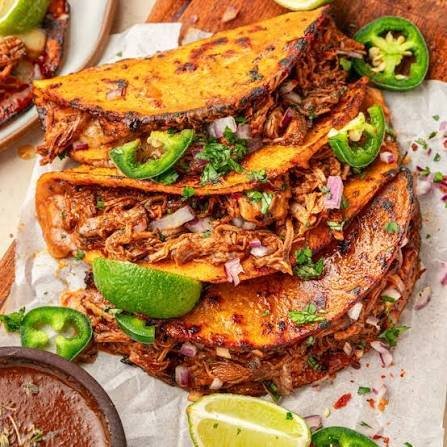
If you have ever had birria tacos with a little bowl of rich red consomé on the side, you probably understand why this dish has become such a favorite. The beef is incredibly tender, the cooking liquid is deeply savory and gently spicy, and the combination of fresh onion, cilantro, lime, and warm tortillas makes every bite exciting.
I love making birria when I have a little extra time and want dinner to feel like an event. This is not really a recipe I rush through. Instead, I enjoy the process. I toast the chiles, blend the sauce, season the beef, and let everything slowly cook until the meat practically falls apart.
Traditional birria has deep roots in Mexican cooking, and modern versions are often served as birria de res, or beef birria, either as a stew with consomé or tucked into tortillas to make tacos. The rich broth and tender meat are central to the experience. :contentReference[oaicite:0]{index=0}
And here is the best part: you can make one big pot of birria and enjoy it in several ways. Have a bowl of beef and consomé for dinner tonight, make crispy birria tacos tomorrow, and use the leftovers for quesadillas later in the week. That is my kind of cooking.
Recipe Origin & Story
Birria is a beloved Mexican dish traditionally associated with slow-cooked meat and a flavorful chile-based adobo. While regional preparations vary, birria has traditionally been made with goat or other meats, while beef birria has become especially popular and is now widely enjoyed in tacos and other preparations. :contentReference[oaicite:1]{index=1}
What makes birria so memorable is not simply the meat. It is the combination of dried chiles, aromatics, herbs, spices, and slow cooking. Guajillo chiles are often used for their deep red color and fruity chile flavor, while ancho chiles bring a darker, richer sweetness. Chiles de árbol can be added when you want more heat. :contentReference[oaicite:2]{index=2}
Growing up, many of us learn recipes through family meals rather than written instructions. A little more garlic here, an extra chile there, and suddenly you have a version that feels like home. That is exactly how I think about birria. The method gives you a wonderful foundation, but your own kitchen can give it its personality.
There is also something beautiful about slow cooking. You start with fairly simple ingredients, but several hours later the beef becomes tender enough to pull apart with a fork and the broth becomes rich and deeply flavored.
That transformation is what makes birria worth the wait. It is not just dinner; it is the kind of meal that encourages everyone to gather around the table.
Ingredient Spotlight
- Main Star: Beef chuck roast is an excellent choice because it has enough connective tissue and fat to become wonderfully tender during a long, gentle braise. Beef shank or short ribs can also add extra richness to the cooking liquid. :contentReference[oaicite:3]{index=3}
- Secret Boost: The dried chile combination is the heart of the flavor. Guajillo gives the sauce its beautiful red color and fruity depth, ancho adds sweetness and richness, while chile de árbol brings heat. :contentReference[oaicite:4]{index=4}
- Quality Tips: Choose fresh-looking dried chiles that are flexible rather than extremely brittle. For the beef, look for well-marbled pieces intended for braising. Fresh cilantro, juicy limes, and crisp white onion make a big difference when serving.
Beef: I like using a combination of beef chuck and a little bone-in beef when available. The chuck gives you plenty of shreddable meat, while bones can add body to the consomé.
Guajillo chiles: These long, deep-red dried chiles provide much of the signature color and flavor. They are generally much milder than chile de árbol, so they can create depth without making the entire dish painfully spicy.
Ancho chiles: Ancho is simply a dried poblano chile. It contributes a deeper, slightly sweet flavor that works beautifully with beef. A good birria sauce should taste layered rather than simply hot.
Chile de árbol: This is where you can control the heat. If your family prefers mild food, use only one or two. If you enjoy serious heat, increase the amount gradually.
Warm spices: Cumin, oregano, cinnamon, and a tiny amount of clove create the aromatic background that makes birria taste so complex. These spices should support the chiles and beef rather than overpower them.
Nutritional Benefits
Birria is a hearty meal, but several of its main ingredients provide useful nutrients. Beef is a rich source of protein, which helps make the dish filling and satisfying. It also provides nutrients such as iron and vitamin B12.
The dried chiles, garlic, onion, cilantro, and lime add flavor along with small amounts of vitamins, minerals, and plant compounds. The fresh toppings are particularly useful because they bring brightness to such a rich dish.
If you want a more balanced meal, serve your birria with plenty of fresh onion, cilantro, lime, and vegetables. You can also enjoy a smaller portion of meat alongside a fresh salad or roasted vegetables.
Keep in mind that the nutritional content will depend on the cut of beef, amount of fat, tortillas, cheese, and portion size.
Adaptable Variations
- Dietary Swaps: Use beef broth that fits your dietary needs, and serve the birria without tortillas for a lower-carbohydrate meal. For gluten-free diners, choose certified gluten-free tortillas and check packaged ingredients carefully.
- Flavor Twists: Add extra chile de árbol for heat, use smoked paprika for a subtle smoky note, or add a little extra Mexican oregano for an herbal finish.
- Seasonal Spins: Serve birria as a warming stew during colder months, turn it into tacos for summer gatherings, or use leftover meat in quesadillas and rice bowls year-round.
You can also experiment with the meat. Beef chuck is an easy and dependable option, but beef shank, short ribs, or other suitable braising cuts can work beautifully. Some traditional preparations use goat, while beef has become particularly popular in modern birria recipes. :contentReference[oaicite:5]{index=5}
If you prefer a milder birria, reduce the chile de árbol rather than removing all of the dried chiles. You still want the guajillo and ancho to provide that beautiful depth of flavor.
For extra-rich consomé, add a few bone-in pieces of beef. For a lighter result, chill the finished broth and remove some of the solidified fat from the surface before reheating.
Cooking Science Explained
Why toast the dried chiles? Briefly toasting dried chiles helps wake up their aroma and deepen their flavor. But this is one moment where you should not walk away. If the chiles burn, they can become bitter. A short toast is all you need. :contentReference[oaicite:6]{index=6}
Why cook the beef slowly? Tougher cuts of beef contain connective tissue that gradually breaks down during long, gentle cooking. That is why a piece of chuck that starts out firm can eventually become tender enough to shred easily.
Why strain the chile sauce? Blending the softened chiles with garlic, onion, tomato, broth, and spices creates the flavorful adobo. Straining it afterward can remove tough chile skins and seeds, giving the finished consomé a smoother texture. :contentReference[oaicite:7]{index=7}
Why sear the beef? Browning the beef creates flavorful browned bits on the surface and adds another layer of savory flavor to the finished dish. Several birria recipes recommend searing the meat before the slow braise. :contentReference[oaicite:8]{index=8}
And here is a little birria secret I absolutely love: the dish can taste even better the next day. Resting gives the flavors more time to mingle, and chilled broth also makes it easier to remove excess fat if you prefer. :contentReference[oaicite:9]{index=9}
Easy, Step-by-Step Recipe
Ingredients
- 3 pounds beef chuck roast, cut into large chunks
- 1/2 pound bone-in beef short ribs, optional
- 2 tablespoons vegetable or avocado oil
- 2 teaspoons kosher salt, plus more to taste
- 4 dried guajillo chiles
- 2 dried ancho chiles
- 2 dried chile de árbol, or more to taste
- 2 Roma tomatoes
- 1 medium white onion, divided
- 6 garlic cloves
- 3 cups low-sodium beef broth
- 2 teaspoons Mexican oregano
- 1 1/2 teaspoons ground cumin
- 1/2 teaspoon ground cinnamon
- 1/4 teaspoon ground cloves
- 1 teaspoon black pepper
- 2 bay leaves
- 1 tablespoon apple cider vinegar
- 1 teaspoon dried thyme, optional
- 12–16 small corn tortillas
- 1/2 cup finely diced white onion, for serving
- 1/2 cup fresh cilantro, chopped
- 2–3 fresh limes, cut into wedges
- Oaxaca or mozzarella cheese, optional, for quesabirria-style tacos
- Fresh salsa, optional
Instructions
- Prepare the beef: Pat the beef dry with paper towels and season generously with salt. Let it sit for a few minutes while you prepare the other ingredients.
- Toast the chiles: Remove the stems and seeds from the guajillo and ancho chiles. Remove the stems from the chile de árbol. Heat a dry skillet over medium heat and toast the chiles briefly on each side until fragrant. Do not let them blacken.
- Soften the chiles: Place the toasted chiles in a bowl and cover them with hot water. Let them soak for about 20 minutes, until they become soft and flexible. :contentReference[oaicite:10]{index=10}
- Prepare the vegetables: Cut the tomatoes in half and roughly chop half of the onion. Peel the garlic cloves.
- Blend the adobo: Drain the softened chiles. Add them to a blender with the tomatoes, chopped onion, garlic, oregano, cumin, cinnamon, cloves, black pepper, vinegar, and about 1 cup of beef broth. Blend until very smooth.
- Strain the sauce: Pour the blended chile mixture through a fine-mesh strainer into a bowl or saucepan. Press it through with a spoon to remove tough skins and seeds. This creates a smoother consomé. :contentReference[oaicite:11]{index=11}
- Sear the beef: Heat the oil in a large Dutch oven over medium-high heat. Working in batches, sear the beef on several sides until nicely browned. Do not overcrowd the pot.
- Build the braise: Return the beef to the pot. Pour in the strained chile sauce and remaining beef broth. Add the bay leaves and the remaining onion.
- Bring to a simmer: Bring the liquid to a gentle simmer. Once it begins bubbling, reduce the heat to low.
- Slow-cook: Cover the pot and cook for about 3–3 1/2 hours, or until the beef is extremely tender and easily pulls apart with a fork. Cooking time can vary depending on the size and cut of the beef. Slow cooking is what transforms the beef into tender, shreddable meat. :contentReference[oaicite:12]{index=12}
- Check the consomé: Taste the broth and adjust the salt as needed. If the consomé seems too thick, add a little more beef broth or water.
- Shred the beef: Carefully remove the beef from the pot and shred it with two forks. Discard any large pieces of gristle or excess connective tissue.
- Return the beef: Put the shredded beef back into the consomé and let it simmer gently for another 10–15 minutes. This allows the meat to soak up even more flavor.
- Prepare the toppings: Finely dice white onion, chop fresh cilantro, and cut the limes into wedges.
- Serve as birria: Spoon the tender beef and rich consomé into bowls. Top with onion and cilantro and finish with plenty of fresh lime.
- Make tacos: Warm the corn tortillas. For crispy birria tacos, lightly dip a tortilla into the flavorful fat that rises to the top of the consomé, then place it in a hot skillet.
- Add cheese: Sprinkle Oaxaca, mozzarella, or another melting cheese over the tortilla if you are making quesabirria-style tacos. Add shredded birria beef on top.
- Crisp the tacos: Fold the tortillas and cook until the outside is crisp and golden and the cheese has melted.
- Serve immediately: Place the tacos on a plate with a small bowl of hot consomé for dipping. Finish with diced onion, cilantro, and a squeeze of lime.
Practical & Valuable Tips
- Storage: Store leftover birria and consomé in airtight containers in the refrigerator for up to 3–4 days.
- Serving Ideas: Serve as a stew with warm corn tortillas, turn it into crispy tacos, or use the meat in quesadillas, burritos, nachos, or rice bowls.
- Substitutions: Beef chuck can be combined with short ribs or another suitable braising cut. If you cannot find every dried chile, use the best combination available and adjust the chile de árbol according to your preferred heat level.
One of the easiest ways to improve your birria is to avoid rushing the beef. If it is not shredding easily, it probably needs more time. Put the lid back on and give it another 30 minutes before checking again.
Also, do not throw away the consomé. That beautiful red broth is one of the best parts of the entire dish. It can be served alongside tacos for dipping or enjoyed as a rich soup.
If your consomé tastes too spicy, do not panic. You can dilute it with a little additional beef broth. Adding more meat and broth can also help balance the heat.
If the finished broth tastes flat, check the salt first. Rich, slow-cooked dishes often need a little more seasoning than you expect. A squeeze of lime at serving time can also brighten the entire bowl.
Make-Ahead & Batch-Cooking
Birria is one of those recipes I actually enjoy making ahead. In fact, there is a very good reason to consider doing so: the flavors have time to develop as the dish rests.
You can cook the entire pot one day, let it cool safely, and refrigerate it. When chilled, the fat rises and solidifies on top, making it easier to remove some if you prefer a lighter consomé. :contentReference[oaicite:13]{index=13}
When you are ready to serve, gently reheat the birria over medium-low heat until the beef and broth are thoroughly hot. Add a little broth if the consomé has become too concentrated.
For meal prep, divide the shredded beef and consomé into individual containers. Keep tortillas and fresh toppings separate. When you are ready to eat, warm the beef and broth, heat your tortillas, and add fresh cilantro, onion, and lime.
You can also freeze birria in airtight freezer-safe containers. Thaw it safely in the refrigerator before reheating. Keep some of the consomé with the meat so the beef stays moist and flavorful.
Eco-Friendly Kitchen Hacks
- Use the entire pot of broth rather than discarding the flavorful cooking liquid.
- Save leftover shredded birria for tacos, quesadillas, rice bowls, and sandwiches.
- Use vegetable scraps such as onion ends and herb stems to add flavor to homemade broth when appropriate.
- Cook a large batch at once so you can enjoy several meals from one cooking session.
- Store leftovers in reusable glass or food-safe containers rather than disposable packaging.
I also like making extra birria because one cooking session can become several different meals. That saves both time and energy later in the week.
Do not waste the flavorful fat that rises to the top, either. A little of it can be used to crisp tortillas for birria tacos, giving them that beautiful red-golden exterior and an extra boost of flavor.
Pairing Suggestions
- Beverages: Fresh lime agua fresca, horchata, tamarind agua fresca, sparkling water with lime, iced tea, or a cold Mexican-style soda.
- Sides & Sauces: Warm corn tortillas, Mexican rice, refried beans, avocado, fresh salsa, pickled onions, simple cabbage slaw, or roasted vegetables.
A cold, refreshing drink is a wonderful contrast to the rich and spicy birria. Horchata is especially nice because its creamy sweetness balances the heat of the chiles.
For a fresh side, try a simple cabbage slaw with lime juice and a pinch of salt. The crisp vegetables bring a welcome contrast to the tender beef.
Mexican rice and beans can turn a bowl of birria into a complete family dinner. Or keep things simple with warm tortillas, onion, cilantro, and lime.
And if you are making tacos, never forget the consomé. That little dipping bowl is part of what makes birria tacos so much fun.
Frequently Asked Questions
- What kind of meat is best for Mexican birria?
Beef chuck is an excellent choice for beef birria because it becomes tender and shreddable during a long braise. Short ribs and beef shank can also add richness. Traditional birria can also be prepared with goat or other meats depending on the regional style. :contentReference[oaicite:14]{index=14} - Is birria very spicy?
It does not have to be. Guajillo and ancho chiles provide much of the flavor and color, while chile de árbol is a major source of heat. Start with a small amount of árbol and add more next time if you want it hotter. :contentReference[oaicite:15]{index=15} - What is consomé?
In this style of birria, the consomé is the rich, chile-colored cooking liquid that develops as the beef slowly cooks. It can be served with the meat in a bowl or used as a dipping broth for birria tacos. - Can I make birria without all of the dried chiles?
Yes, although the exact flavor will change. Guajillo and ancho are especially useful for building the characteristic color and depth, while chile de árbol can be adjusted for heat. If you cannot find every chile, use what is available and avoid adding too much hot chile to compensate.
Call to Action
If you have never made Mexican Birria at home, I hope this recipe encourages you to give it a try. Yes, it takes some time, but most of that time is simply the beef slowly cooking while you do other things.
The reward is incredible: tender beef, a rich red consomé, warm spices, deep chile flavor, and endless ways to serve it.
Start with a bowl of birria and tortillas. Then, when you have leftovers, turn them into crispy tacos with melted cheese. Add fresh onion, cilantro, lime, and a bowl of consomé for dipping, and you have a meal that feels like a restaurant treat right at home.
If you make this recipe, I would love for you to share it with your family and friends. Save the recipe for your next weekend cooking project, share it on Pinterest or social media, and tell me how you made it your own.
Did you make it mild or spicy? Did you use chuck roast, short ribs, or a combination? Did you make tacos or serve it as a stew? Your little changes might inspire someone else to try birria for the first time.
Bonus: Your Kitchen Notes
This is where your own birria story begins. I always encourage you to keep a few notes when making a recipe like this because the smallest changes can become your favorite version.
Your kitchen note: Write down which dried chiles you used, how spicy the finished consomé was, how long your beef took to become tender, and which toppings your family liked best.
If you love heat, make a note of how many chile de árbol you used. Next time, you can increase or decrease the amount without guessing.
If you prefer a deeper, richer flavor, try adding a little more ancho chile or using some bone-in beef. If you prefer a brighter flavor, add plenty of fresh lime and cilantro when serving.
For taco night, keep your toppings simple. Finely diced white onion, fresh cilantro, lime, and a little salsa are all you really need. The birria itself should remain the star.
For quesabirria, add a good melting cheese and crisp the tortillas in a little of the flavorful beef fat. Dip each taco into the warm consomé and take that first bite while everything is still hot.
If you have leftovers, think beyond tacos. Birria is fantastic in quesadillas, burritos, nachos, rice bowls, grilled sandwiches, and even stuffed baked potatoes. That is one of the reasons I love making a big batch.
And remember that birria rewards patience. If the beef seems tough after a couple of hours, do not assume you did something wrong. Tough meat often needs more time for the connective tissue to break down. Keep cooking gently until the beef becomes tender enough to shred.
Do not be afraid to taste the consomé as you go. Cooking is not a test where you have to get everything perfect on the first try. Taste, adjust the salt, add broth if needed, and make the dish work for you.
Most importantly, enjoy the process. There is something wonderful about preparing a big pot of food that takes its time. The kitchen becomes warm, the smell fills the house, and everyone starts asking when dinner will be ready.
That is what Mexican Birria means to me: bold flavor, tender meat, warm tortillas, bright lime, and a table full of people reaching for another taco.
So take your time, let the beef simmer gently, and save plenty of that beautiful red consomé. When you finally sit down with a bowl of birria or a plate of crispy tacos, you will understand why this dish has become such a beloved comfort food.
Now grab your chiles, get that pot ready, and let your kitchen adventure begin!