Personalized Introduction
There’s something magical about biting into a fresh homemade glazed donut. The delicate crackle of the sweet glaze gives way to an incredibly soft, fluffy interior that practically melts in your mouth. While classic donuts are always delicious, making them with milk bread dough takes them to an entirely new level. The result is an ultra-light, pillowy donut that’s rich, buttery, and stays soft for days.
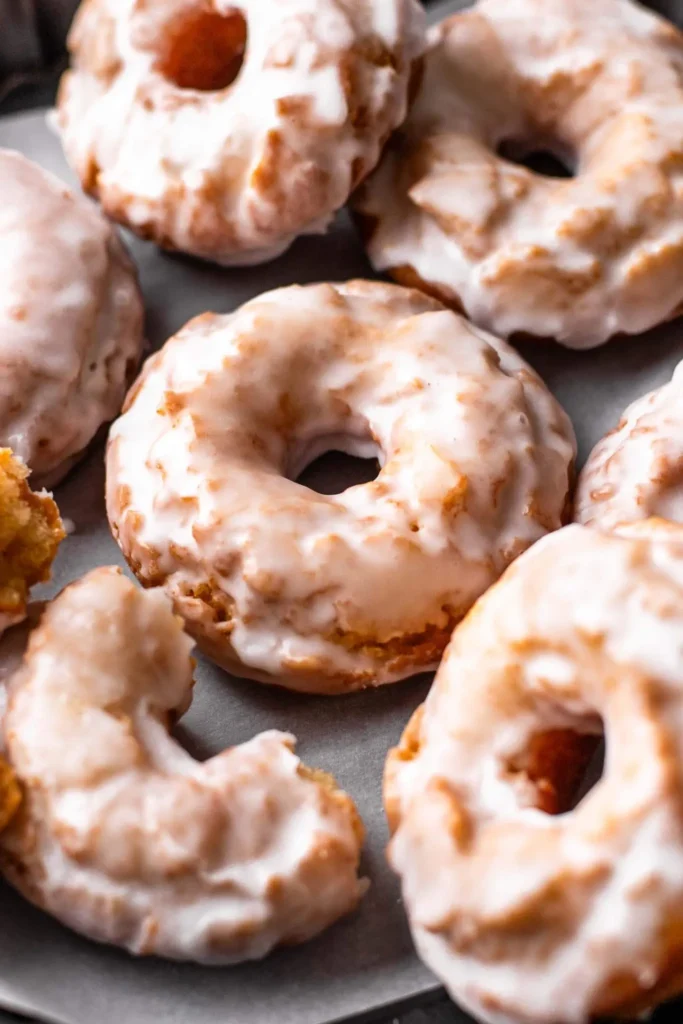
The first time I experimented with milk bread dough for donuts, I couldn’t believe the difference it made. Every donut came out incredibly airy, with a tender crumb that reminded me of the best bakery donuts I’ve ever tasted. Once dipped into a shiny vanilla glaze, they looked just as beautiful as they tasted.
Although homemade donuts may sound intimidating, they’re actually much easier than most people think. The dough comes together beautifully, rises into fluffy perfection, and fries into golden pillows of sweetness. Whether you’re making breakfast for your family, celebrating a holiday morning, or simply treating yourself on the weekend, these glazed donuts are always worth the little extra effort.
If you’ve never made donuts from scratch before, this recipe is the perfect place to start. I’ll walk you through every step so you can enjoy bakery-quality glazed donuts right from your own kitchen.
Recipe Origin & Story
Glazed donuts have been a favorite sweet treat for generations, loved around the world for their light texture and glossy sugar coating. While traditional yeast donuts are already wonderfully soft, Japanese milk bread dough—often called Hokkaido milk bread dough—adds even more tenderness thanks to its enriched ingredients and high moisture content.
Milk bread dough has become famous for producing cloud-like loaves of bread, dinner rolls, and sweet pastries. Home bakers soon realized that the same dough also creates exceptionally fluffy donuts that remain soft much longer than traditional recipes.
I first discovered this method while experimenting with homemade breads. After trying the dough in donut form, I knew I’d never go back to ordinary donut dough again. Every batch turns out soft, rich, and beautifully golden with very little effort.
Now these donuts have become one of my favorite weekend baking traditions, especially when enjoyed warm with a fresh cup of coffee.
Ingredient Spotlight
- Main Star: Bread flour creates a wonderfully chewy yet incredibly soft texture that makes these donuts so light and fluffy.
- Secret Boost: Whole milk and butter enrich the dough, giving every bite its signature pillowy softness.
- Quality Tips: Use fresh active dry yeast, room-temperature eggs, full-fat milk, real butter, and pure vanilla extract for bakery-quality results.
Nutritional Benefits
Although glazed donuts are a delicious indulgence, making them from scratch lets you control the quality of every ingredient. Whole milk contributes calcium and protein, while eggs provide protein and essential vitamins that help enrich the dough.
Fresh homemade donuts also avoid many preservatives and artificial ingredients commonly found in packaged bakery products.
These donuts are best enjoyed as an occasional homemade treat shared with family and friends.
Adaptable Variations
- Dietary Swaps: Substitute dairy-free butter and plant-based milk for a dairy-free version or use gluten-free bread flour designed for yeast baking.
- Flavor Twists: Add cinnamon, lemon zest, orange zest, espresso powder, chocolate glaze, maple glaze, or vanilla bean paste.
- Seasonal Spins: Decorate with colorful sprinkles for birthdays, pumpkin spice glaze in autumn, peppermint glaze for Christmas, or strawberry glaze during spring and summer.
Cooking Science Explained
Yeast produces tiny air bubbles that expand during proofing, creating the light, fluffy texture every great donut needs.
Milk enriches the dough while butter coats the flour proteins, producing an incredibly tender crumb.
Allowing the dough to rise twice develops better flavor while creating the airy texture that makes milk bread donuts so special.
Frying at the proper oil temperature ensures golden donuts that absorb very little oil while staying soft inside.
Easy, Step-by-Step Recipe
Ingredients
- 4 cups bread flour
- ¼ cup granulated sugar
- 2¼ teaspoons active dry yeast
- 1 teaspoon salt
- ¾ cup warm whole milk
- 2 large eggs
- ¼ cup unsalted butter, softened
- 1 teaspoon vanilla extract
- Vegetable oil for frying
Vanilla Glaze
- 2 cups powdered sugar
- 4 tablespoons whole milk
- 1 teaspoon vanilla extract
- 1 tablespoon melted butter
Instructions
- In a large mixing bowl, combine the bread flour, sugar, yeast, and salt.
- Add the warm milk, eggs, vanilla extract, and softened butter.
- Knead the dough for about 10–12 minutes until smooth and elastic.
- Transfer the dough to a lightly greased bowl, cover, and let rise for about 1½ hours or until doubled in size.
- Punch down the dough and roll it out to about ½-inch thickness.
- Cut donuts using a donut cutter or two round cutters.
- Place the donuts on parchment paper, cover lightly, and let rise again for 30–45 minutes.
- Heat vegetable oil to 350°F (175°C).
- Carefully fry the donuts for about 1–2 minutes per side until golden brown.
- Transfer to a wire rack lined with paper towels.
- Whisk together the powdered sugar, milk, vanilla, and melted butter until smooth.
- Dip each warm donut into the glaze.
- Place the glazed donuts on a cooling rack until the glaze sets.
- Serve fresh while they’re still wonderfully soft.
Practical & Valuable Tips
- Storage: Store donuts in an airtight container for up to two days at room temperature.
- Serving Ideas: Enjoy warm with coffee, tea, hot chocolate, or cold milk.
- Substitutions: Bread flour produces the fluffiest donuts, but all-purpose flour can also be used.
- Perfect Frying: Maintain the oil temperature at 350°F for evenly cooked donuts.
- Extra Shine: Dip the donuts while they’re still slightly warm for a beautiful glossy glaze.
- Bakery Finish: Add colorful sprinkles or drizzle white chocolate over the glaze.
Make-Ahead & Batch-Cooking
The dough can be prepared the night before and refrigerated after the first rise. The next morning, simply roll, cut, proof, and fry for freshly made donuts without the long wait.
Unfried donut dough can also be frozen after shaping. Thaw overnight in the refrigerator before allowing it to complete the final rise.
Although these donuts are best enjoyed fresh, leftover donuts can be gently warmed for a few seconds in the microwave to restore some of their softness.
Eco-Friendly Kitchen Hacks
- Reuse frying oil several times by straining and storing it properly.
- Store leftover donuts in reusable containers instead of disposable bags.
- Freeze extra dough instead of wasting ingredients.
- Buy flour and sugar in bulk to reduce packaging waste.
- Use leftover donut holes for mini glazed treats or dessert bites.
Pairing Suggestions
- Beverages: Fresh coffee, cappuccino, latte, espresso, chai tea, hot chocolate, iced coffee, or cold milk perfectly complement these fluffy glazed donuts.
- Sides & Toppings: Fresh berries, whipped cream, chocolate sauce, caramel drizzle, fruit preserves, cinnamon sugar, or vanilla ice cream create an unforgettable dessert experience.
Frequently Asked Questions
-
Can I bake these instead of frying?
Yes. Bake at 375°F (190°C) for about 10–12 minutes. They won’t have the same classic fried texture but will still be soft and delicious.
-
Why didn’t my donuts rise properly?
Check that your yeast is fresh and your milk is warm—not hot—as excessive heat can kill the yeast.
-
Can I prepare the dough overnight?
Absolutely! Refrigerating the dough overnight actually develops even more flavor.
-
How do I keep the glaze shiny?
Dip the donuts while they’re still slightly warm and let the excess glaze drip off before placing them on a wire rack.
Call to Action
If you’ve always wanted to make bakery-style donuts at home, I hope you’ll give these Glazed Donuts with Milk Bread Dough a try. Their soft, airy texture, buttery flavor, and sweet vanilla glaze make them a recipe you’ll come back to again and again.
When you make these donuts, I’d love to hear how they turned out! Share your favorite glaze flavors, toppings, or decorating ideas in the comments below. Don’t forget to save this recipe and share it with fellow baking enthusiasts who appreciate homemade treats.
Bonus: Your Kitchen Notes
One of the best things about these milk bread donuts is how easy they are to customize. Try dipping them in chocolate glaze, filling them with vanilla pastry cream, coating them in cinnamon sugar, or topping them with crushed cookies, toasted coconut, or colorful sprinkles. Every variation starts with the same wonderfully fluffy dough that makes these donuts unforgettable.
Use this section in your WordPress editor to record your favorite proofing times, glaze recipes, or creative topping combinations. Before long, you’ll have your own signature homemade glazed donut recipe that’s requested for weekend breakfasts, holidays, family brunches, and special celebrations.
There’s nothing quite like the joy of enjoying a warm homemade donut fresh from your own kitchen. These Glazed Donuts with Milk Bread Dough prove that with a little patience and a few simple ingredients, you can create bakery-quality treats that everyone will absolutely love.