Personalized Introduction
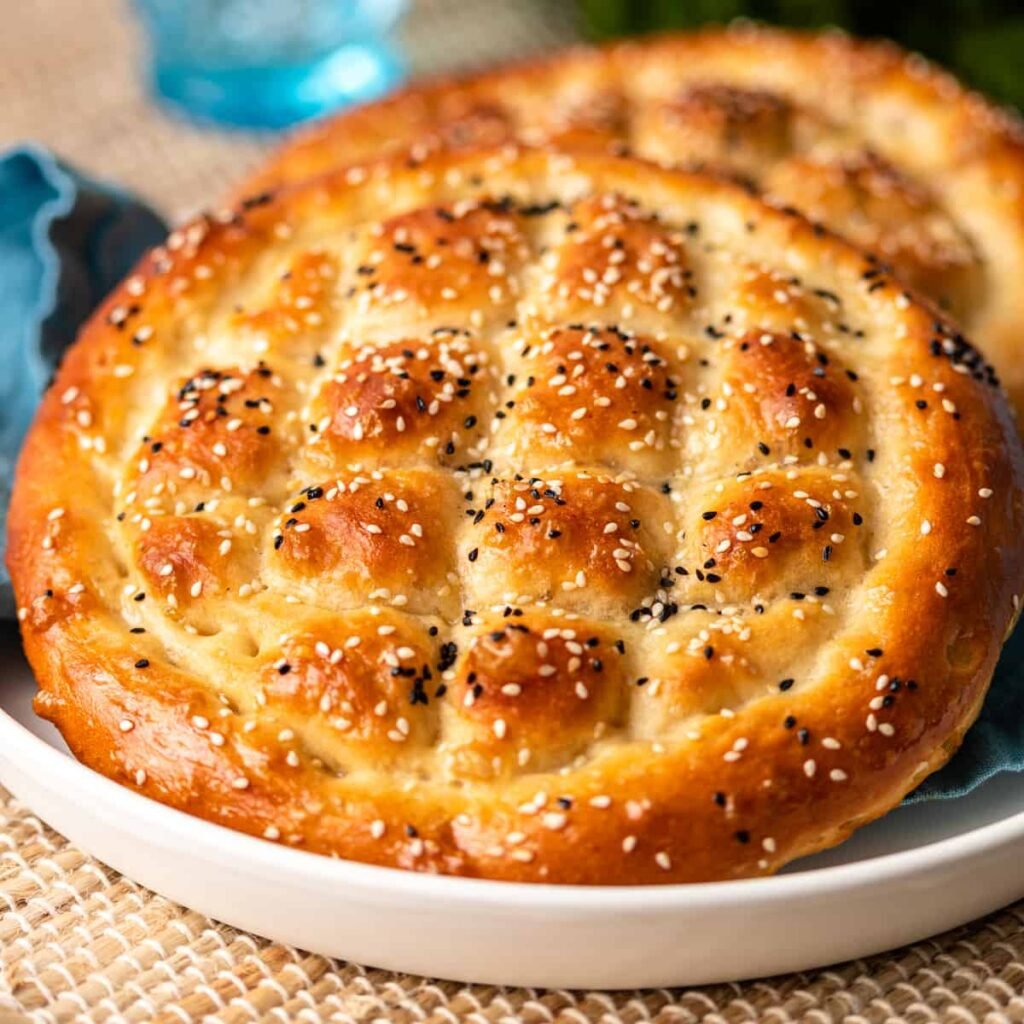
There’s something truly magical about pulling a freshly baked loaf of Turkish Bread out of the oven. The golden crust, soft and airy interior, and irresistible aroma of warm bread instantly make any kitchen feel cozy and welcoming. Every time I bake this recipe, I’m reminded that homemade bread doesn’t have to be complicated to be absolutely delicious.
The first time I made Turkish Bread, I was surprised by how forgiving the dough was. With just a few pantry staples like flour, yeast, water, olive oil, and salt, I created a beautiful loaf that looked like it came straight from a traditional bakery. As it baked, the kitchen filled with the comforting scent of freshly baked bread, making it almost impossible to wait before slicing into it.
One of my favorite things about Turkish Bread is its versatility. It’s perfect alongside soups, grilled meats, salads, breakfast spreads, or simply dipped into olive oil with herbs. Whether you’re making sandwiches, serving it with dinner, or enjoying it warm with butter, this bread always brings comfort to the table.
If you’ve always wanted to bake homemade bread without complicated techniques, this easy Turkish Bread recipe is the perfect place to start. It’s soft, fluffy, beautifully golden, and surprisingly simple to make.
Recipe Origin & Story
Bread has been at the heart of Turkish cuisine for thousands of years. Across Turkey, bakeries produce fresh bread every morning, and families often enjoy it with nearly every meal. One of the most beloved varieties is Turkish flatbread, known for its soft interior, slightly chewy texture, and beautifully patterned top.
Traditional Turkish bread is often baked in stone ovens, giving it a lightly crisp crust while keeping the inside wonderfully soft. Some versions are topped with sesame seeds or black cumin seeds, while others are brushed with olive oil or egg wash to create their signature golden finish.
I first tasted authentic Turkish Bread at a small Mediterranean restaurant, and I instantly fell in love with its texture. After several attempts in my own kitchen, I finally found a method that produces the same fluffy crumb and beautiful crust without requiring any special equipment.
Now it’s one of my favorite homemade breads because it’s simple enough for beginners while delivering bakery-quality results every time.
Ingredient Spotlight
- Main Star: Bread flour creates the chewy yet soft texture that makes Turkish Bread so satisfying.
- Secret Boost: A little olive oil keeps the crumb tender while adding subtle Mediterranean flavor.
- Quality Tips: Use fresh active dry yeast, good-quality olive oil, fine sea salt, and bread flour for the best rise and texture. Fresh sesame seeds also add wonderful flavor and crunch.
Nutritional Benefits
Homemade bread allows you to control the ingredients while avoiding unnecessary preservatives often found in packaged bread. Flour provides carbohydrates for energy, while olive oil contributes heart-friendly fats and enhances both flavor and texture.
Yeast naturally develops flavor during fermentation, and sesame seeds contribute healthy fats, calcium, and minerals. Because you’re making the bread from scratch, you can easily adjust the salt level to suit your preferences.
Fresh homemade bread is not only delicious but also one of the most rewarding recipes to prepare in your own kitchen.
Adaptable Variations
- Dietary Swaps: Use whole wheat flour for part of the flour, or use gluten-free bread flour blends if suitable for yeast breads.
- Flavor Twists: Add roasted garlic, rosemary, oregano, black cumin seeds, sesame seeds, za’atar seasoning, or shredded cheese before baking.
- Seasonal Spins: Serve with fresh herbs during spring, grilled vegetables in summer, hearty soups during autumn, or rich stews throughout winter.
Cooking Science Explained
Warm water activates the yeast, allowing it to produce carbon dioxide that helps the dough rise and creates its soft, airy texture.
Kneading develops gluten, which strengthens the dough and traps air bubbles, resulting in fluffy bread with a chewy bite.
Brushing the dough with an egg wash before baking creates a beautifully golden crust while helping the sesame seeds stick to the surface.
Allowing the bread to cool for a few minutes before slicing helps the crumb finish setting, making each slice easier to cut.
Easy, Step-by-Step Recipe
Ingredients
- 4 cups bread flour
- 2¼ teaspoons active dry yeast (1 packet)
- 1½ cups warm water
- 2 tablespoons olive oil
- 2 teaspoons sugar
- 2 teaspoons salt
- 1 egg yolk
- 1 tablespoon milk
- 2 tablespoons sesame seeds
- 1 tablespoon black sesame seeds or nigella seeds (optional)
Instructions
- Combine the warm water, sugar, and yeast in a bowl. Let it sit for 10 minutes until foamy.
- Add the flour, salt, and olive oil to the yeast mixture.
- Mix until a soft dough forms.
- Knead the dough for about 8–10 minutes until smooth and elastic.
- Place the dough in a lightly oiled bowl, cover, and let it rise for about 1 hour or until doubled in size.
- Preheat your oven to 425°F (220°C).
- Punch down the dough and shape it into a large oval or round loaf.
- Transfer it to a parchment-lined baking tray.
- Using your fingertips, gently create the traditional crisscross pattern across the top of the dough.
- Whisk together the egg yolk and milk, then brush over the loaf.
- Sprinkle generously with sesame seeds and black sesame or nigella seeds if using.
- Allow the dough to rest for another 20 minutes.
- Bake for 20–25 minutes until golden brown and the loaf sounds hollow when tapped.
- Cool slightly before slicing and serving warm.
Practical & Valuable Tips
- Storage: Store in an airtight container or bread bag for up to three days.
- Serving Ideas: Enjoy with hummus, olive oil, soups, grilled meats, cheese, butter, or breakfast spreads.
- Substitutions: Olive oil can be replaced with melted butter for a richer flavor.
- Extra Softness: Cover the warm loaf with a clean kitchen towel after baking to keep the crust tender.
- Perfect Rise: Let the dough rise in a warm, draft-free place for the fluffiest texture.
- Beautiful Finish: Brush lightly with melted butter immediately after baking for extra shine.
Make-Ahead & Batch-Cooking
The dough can be prepared the night before and refrigerated for a slow overnight rise. The next day, simply allow it to come to room temperature before shaping and baking.
Baked Turkish Bread freezes beautifully. Once cooled completely, wrap it tightly and freeze for up to three months. Reheat in the oven for a freshly baked taste.
You can also prepare multiple loaves at once, making this recipe ideal for family gatherings or weekly meal prep.
Eco-Friendly Kitchen Hacks
- Store leftover bread in reusable cloth bread bags.
- Freeze extra slices instead of letting them go stale.
- Turn leftover bread into homemade croutons or breadcrumbs.
- Use reusable silicone baking mats instead of disposable parchment when possible.
- Compost any flour packaging if recyclable in your area.
Pairing Suggestions
- Beverages: Turkish tea, fresh mint tea, ayran, sparkling water, freshly squeezed lemonade, or strong coffee all pair wonderfully with freshly baked Turkish Bread.
- Sides & Sauces: Hummus, baba ganoush, tzatziki, olive oil with herbs, feta cheese, grilled kebabs, lentil soup, or Mediterranean salads make perfect companions.
Frequently Asked Questions
-
Can I use all-purpose flour instead of bread flour?
Yes. Bread flour gives a chewier texture, but all-purpose flour also produces a delicious loaf.
-
Why didn’t my bread rise properly?
Your yeast may have expired, or the water may have been too hot or too cold. Always use warm water around 105–110°F (40–43°C).
-
Can I freeze Turkish Bread?
Absolutely. Wrap it well after cooling completely and freeze for up to three months.
-
How do I keep the bread soft?
Store it in an airtight bag once fully cooled, and avoid refrigerating it, which can dry it out more quickly.
Call to Action
If you’ve been dreaming of baking fresh homemade bread, I hope you’ll give this Turkish Bread recipe a try. It’s soft, fluffy, beautifully golden, and perfect for sharing with family and friends. Whether you serve it alongside dinner or enjoy it warm with butter, every slice is packed with homemade goodness.
If you bake this recipe, I’d love to hear how it turned out! Share your favorite toppings, serving ideas, or personal twists in the comments below. Don’t forget to save this recipe and share it with fellow bread lovers who enjoy baking from scratch.
Bonus: Your Kitchen Notes
One of my favorite things about homemade Turkish Bread is how easy it is to personalize. Maybe you’ll sprinkle extra sesame seeds, brush it with garlic butter after baking, mix herbs into the dough, or serve it alongside your favorite Mediterranean dishes. Every loaf becomes uniquely yours while maintaining the soft texture and golden crust that make this bread so special.
Use this section in your WordPress editor to record your favorite flour blends, baking times, or creative serving ideas. Before long, you’ll have your own signature Turkish Bread recipe that friends and family will request again and again.
Freshly baked bread has a way of bringing people together, and this homemade Turkish Bread is proof that simple ingredients, a little patience, and plenty of love can create something truly unforgettable.