Personalized Introduction
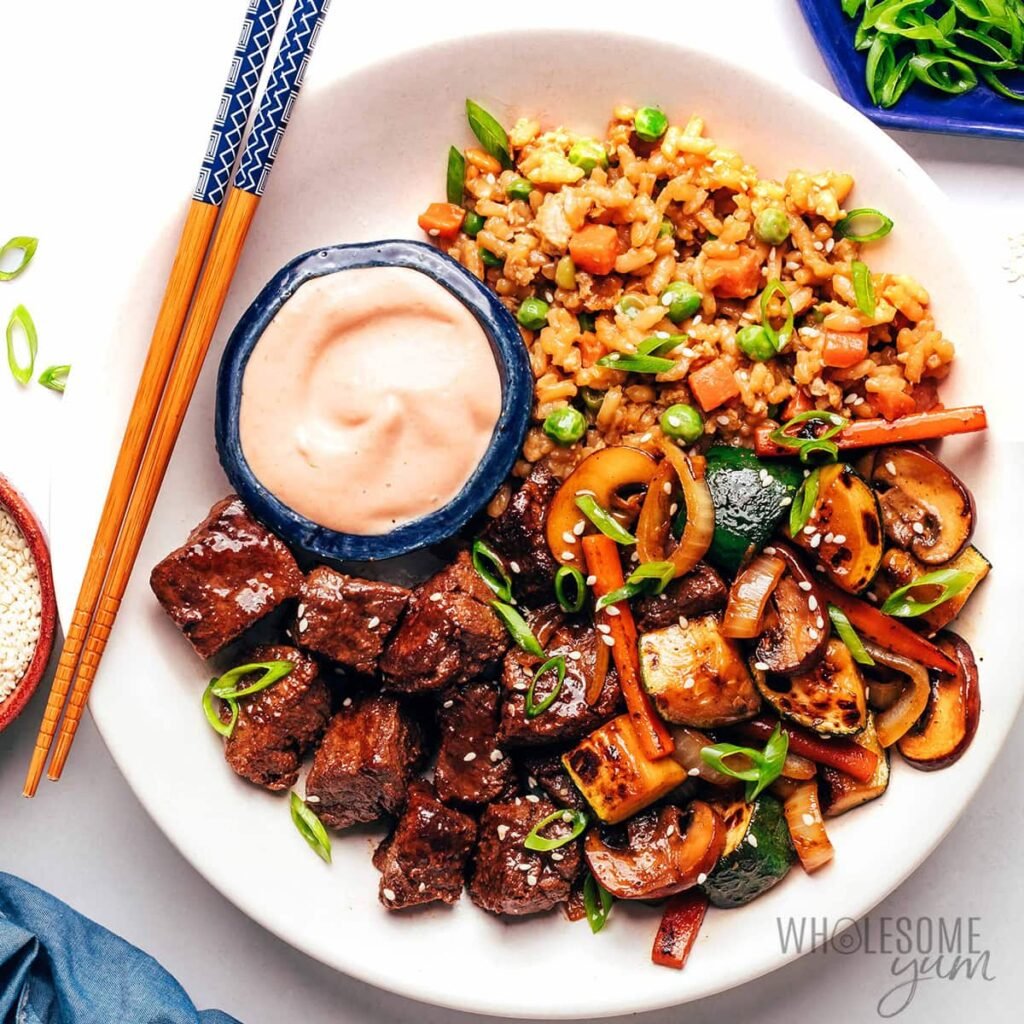
Whenever I’m craving the sizzling flavors of a Japanese steakhouse but don’t feel like leaving the house, this Hibachi Steak Bowl Recipe is my answer. It has everything I love about a restaurant hibachi meal—juicy steak, buttery vegetables, fluffy rice, and a savory garlic-soy sauce—all served together in one satisfying bowl. The best part? It comes together in about 30 minutes with simple ingredients you can find at almost any grocery store.
The first time I made hibachi steak at home, I wasn’t sure I could recreate that signature restaurant flavor. But after a little experimenting with garlic butter, soy sauce, and a hot skillet, I was amazed at how close it tasted. The steak was perfectly seared, the vegetables stayed crisp-tender, and every bite reminded me of my favorite hibachi restaurant.
Since then, this recipe has become one of my family’s favorite weeknight dinners. It’s quick, customizable, and surprisingly budget-friendly compared to dining out. Whether I’m meal-prepping lunches or making dinner for guests, these hibachi steak bowls never disappoint.
Today, I’m sharing my favorite homemade Hibachi Steak Bowl Recipe, along with helpful tips, ingredient swaps, and simple techniques that will help you create restaurant-quality results right in your own kitchen.
Recipe Origin & Story
Hibachi-style cooking is inspired by Japanese grilling techniques where meats, seafood, and vegetables are cooked over high heat. Outside Japan, the word “hibachi” has become closely associated with Japanese steakhouses where skilled chefs prepare meals on large flat-top grills while entertaining guests with impressive cooking tricks.
Although home kitchens may not have a teppanyaki grill, a heavy skillet or cast-iron pan produces beautifully seared steak and perfectly cooked vegetables. The secret is using high heat and cooking the ingredients quickly so they stay tender and flavorful.
For me, homemade hibachi bowls bring back memories of celebrating birthdays and special occasions at Japanese steakhouses. Now I can enjoy those same comforting flavors any night of the week without waiting for a table.
Ingredient Spotlight
- Main Star: Sirloin steak is ideal because it’s tender, flavorful, and cooks quickly while developing a delicious caramelized crust.
- Secret Boost: Garlic butter added at the end creates the rich, savory flavor that’s famous in hibachi restaurants.
- Quality Tips: Choose well-marbled steak, fresh garlic, low-sodium soy sauce, freshly cracked black pepper, and day-old jasmine rice for the best results.
Nutritional Benefits
Steak provides high-quality protein, iron, zinc, and vitamin B12, making this meal both filling and nourishing. Pairing it with colorful vegetables like zucchini, carrots, mushrooms, and broccoli adds fiber, vitamins, and antioxidants that help create a balanced meal.
Preparing hibachi bowls at home also allows you to control the amount of oil, butter, and sodium while still enjoying bold restaurant-style flavors.
Using fresh vegetables instead of heavily processed ingredients keeps every bowl colorful, nutritious, and satisfying.
Adaptable Variations
- Dietary Swaps: Replace the rice with cauliflower rice for a low-carb option, use tamari for a gluten-free version, or substitute tofu for a vegetarian bowl.
- Flavor Twists: Add shrimp, chicken, sautéed mushrooms, spicy mayo, yum yum sauce, sesame seeds, or a drizzle of sriracha.
- Seasonal Spins: Use asparagus in spring, sweet corn in summer, roasted squash in autumn, or cabbage during the cooler months.
Cooking Science Explained
Cooking the steak over high heat creates a flavorful golden-brown crust through the Maillard reaction, locking in juices while developing rich savory flavor.
Allowing the steak to rest after cooking helps the juices redistribute throughout the meat, keeping every bite tender and juicy.
Adding butter after the steak has nearly finished cooking prevents the butter from burning while giving the meat its signature hibachi richness.
Easy, Step-by-Step Recipe
Ingredients
- For the Steak:
- 1½ pounds sirloin steak, cut into bite-sized cubes
- 2 tablespoons vegetable oil
- 2 tablespoons unsalted butter
- 3 garlic cloves, minced
- 2 tablespoons low-sodium soy sauce
- 1 teaspoon Worcestershire sauce
- ½ teaspoon black pepper
- ½ teaspoon kosher salt
- For the Vegetables:
- 1 zucchini, sliced
- 1 cup mushrooms, sliced
- 1 cup broccoli florets
- 1 carrot, julienned
- 1 tablespoon butter
- 1 tablespoon soy sauce
- For the Bowl:
- 4 cups cooked jasmine rice
- 2 green onions, sliced
- Sesame seeds for garnish
Instructions
- Cook the jasmine rice according to package directions and keep warm.
- Pat the steak dry and season with salt and black pepper.
- Heat the vegetable oil in a large skillet or cast-iron pan over high heat.
- Add the steak in a single layer and sear for 2–3 minutes without stirring.
- Turn the steak pieces and cook another 2–3 minutes until browned.
- Add the butter, garlic, soy sauce, and Worcestershire sauce. Toss to coat the steak and cook for another minute.
- Transfer the steak to a plate and let it rest.
- In the same skillet, melt the remaining butter and cook the zucchini, mushrooms, broccoli, and carrots for 4–5 minutes until crisp-tender.
- Stir in one tablespoon of soy sauce.
- Divide the rice among serving bowls.
- Top with the hibachi steak and sautéed vegetables.
- Garnish with sliced green onions and sesame seeds before serving.
Practical & Valuable Tips
- Storage: Refrigerate leftovers in an airtight container for up to four days.
- Serving Ideas: Pair with yum yum sauce, ginger dressing, miso soup, or a fresh cucumber salad.
- Substitutions: Ribeye, New York strip, chicken breast, shrimp, or tofu all work wonderfully.
- Best Rice: Day-old rice holds its texture better if you plan to make fried rice with leftovers.
- Extra Flavor: Finish with a squeeze of fresh lemon juice or a drizzle of spicy mayo.
- Perfect Sear: Avoid overcrowding the skillet so the steak browns instead of steaming.
Make-Ahead & Batch-Cooking
Hibachi steak bowls are excellent for meal prep. Cook the rice, steak, and vegetables separately, then store them in airtight containers in the refrigerator for up to four days. When you’re ready to eat, simply reheat everything in a skillet or microwave and assemble your bowl.
The cooked steak can also be frozen for up to two months. Thaw overnight in the refrigerator before reheating gently to keep it tender.
Preparing the vegetables ahead of time makes this recipe even quicker on busy weeknights, allowing dinner to come together in less than 20 minutes.
Eco-Friendly Kitchen Hacks
- Use leftover rice to reduce food waste.
- Save vegetable scraps to make homemade broth.
- Store leftovers in reusable glass containers.
- Cook everything in one skillet to reduce cleanup and save water.
- Buy vegetables in season whenever possible for the freshest flavor.
Pairing Suggestions
- Beverages: Iced green tea, sparkling water with lime, homemade lemonade, jasmine tea, or ginger ale pair beautifully with the savory flavors.
- Sides & Sauces: Yum yum sauce, ginger sauce, miso soup, edamame, seaweed salad, crab rangoons, or crispy spring rolls complete the meal.
Frequently Asked Questions
- What’s the best steak for hibachi bowls?
Sirloin is affordable and tender, but ribeye and New York strip are also excellent choices for extra richness.
- Can I make this recipe gluten-free?
Yes! Replace the soy sauce with gluten-free tamari and check that your Worcestershire sauce is gluten-free.
- How do I keep the steak tender?
Cook it over high heat for just a few minutes and let it rest before serving to keep it juicy.
- Can I prepare hibachi bowls ahead of time?
Absolutely. They’re perfect for meal prep and reheat beautifully for quick lunches and dinners.
Call to Action
If you’ve been craving Japanese steakhouse flavors without the restaurant price, I hope you’ll give this Hibachi Steak Bowl Recipe a try. It’s fast, flavorful, customizable, and perfect for busy weeknights or weekend dinners with family and friends.
If you make this recipe, I’d love to hear how it turned out! Leave a comment with your favorite vegetables or sauces, share your homemade hibachi bowls on social media, and save this recipe for the next time you’re craving a restaurant-quality meal at home.
Bonus: Your Kitchen Notes
One of my favorite things about hibachi bowls is how easy they are to customize. Some evenings I add shrimp alongside the steak, while other times I pile on extra mushrooms, drizzle everything with spicy mayo, or serve it over fried rice instead of plain rice. Every version is delicious, and that’s what keeps this recipe exciting.
Use this section in your WordPress editor to keep track of your favorite steak cuts, vegetables, sauces, or seasoning combinations. Over time, you’ll create your own signature Hibachi Steak Bowl Recipe that’s perfect for meal prep, family dinners, or satisfying your Japanese steakhouse cravings without ever leaving home.
With juicy steak, buttery vegetables, fluffy rice, and bold garlic-soy flavor in every bite, this homemade hibachi bowl proves that restaurant-quality comfort food can be surprisingly easy to make in your own kitchen.