Personalized Introduction
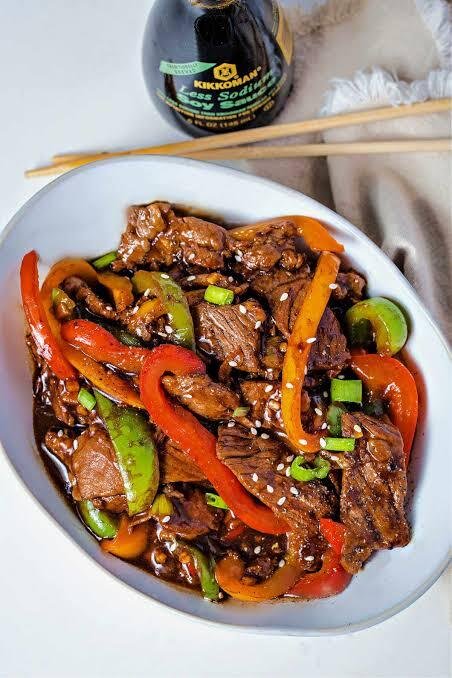
Do you ever have one of those evenings when you want a dinner that tastes like you put in a lot of effort, but you really do not want to spend the whole night in the kitchen? That is exactly when I reach for Pepper Steak & Onions. It is one of those wonderfully practical meals that brings together tender beef, sweet onions, colorful bell peppers, garlic, and a rich savory sauce in one skillet.
I love recipes like this because they make dinner feel exciting without making cooking complicated. You start with thin slices of beef, give them a quick sear, cook the vegetables until they are tender but still have a little bite, and then bring everything together with a glossy sauce. The whole kitchen starts smelling amazing almost immediately.
This style of pepper steak is especially popular as a quick skillet or stir-fry dinner. Thinly sliced beef, peppers, and onions cook quickly, while a soy-based sauce adds the salty, savory flavor that makes the dish so satisfying. Slicing the beef against the grain is one of the easiest ways to keep it tender. :contentReference[oaicite:0]{index=0}
For me, the best part is the sauce. I like it savory with just a hint of sweetness, plenty of garlic, and enough black pepper to give the dish some personality. Then I spoon everything over fluffy rice and let the sauce soak into the grains.
If you are looking for a simple family dinner, a quick meal after work, or an easy alternative to takeout, this recipe is exactly the kind of dinner I think you will want to keep in your regular rotation.
Recipe Origin & Story
Pepper steak is commonly associated with Chinese-American restaurant cooking. The basic idea is wonderfully simple: tender strips of beef are cooked quickly with peppers and onions, then coated in a savory sauce. Modern recipes vary quite a bit, but soy sauce, garlic, peppers, onions, and beef are common building blocks. :contentReference[oaicite:1]{index=1}
What I enjoy about this dish is how easily it fits into everyday home cooking. You do not need a wok or special restaurant equipment. A large skillet works beautifully, which means you can make dinner with tools you probably already have.
It also gives you plenty of room to personalize. Some nights I might use red and green bell peppers. Other times I might add mushrooms, broccoli, snap peas, or extra onions. Recipes for pepper steak are naturally flexible, and additional vegetables can easily be added or substituted. :contentReference[oaicite:2]{index=2}
I think that flexibility is part of the charm. This is not a recipe that demands perfection. It is a recipe that says, “Look in the refrigerator, grab what you have, and make dinner delicious.”
And if you have ever ordered pepper steak from a restaurant and wished you could recreate that savory flavor at home, this skillet version is a great place to start.
Ingredient Spotlight
- Main Star: Thinly sliced flank steak is my favorite choice because it cooks quickly and has plenty of beefy flavor. Sirloin is another excellent option.
- Secret Boost: A little cornstarch helps create a smooth, glossy sauce while also helping the beef develop a beautifully tender texture.
- Quality Tips: Choose a fresh, well-trimmed steak and slice it thinly against the grain. Use crisp bell peppers, firm onions, fresh garlic, and freshly ground black pepper for the best flavor.
Beef: Flank steak, sirloin, skirt steak, or even ribeye can work well. The most important thing is how you slice it. Cutting thinly across the grain shortens the muscle fibers and makes each bite easier to chew. :contentReference[oaicite:3]{index=3}
Bell peppers: I like using a combination of red and green peppers. The red pepper adds sweetness, while green pepper brings a slightly sharper flavor.
Onions: Yellow or white onions are excellent. They become slightly sweet as they cook and balance the savory sauce.
Garlic: Fresh garlic adds that unmistakable aroma that makes the entire skillet smell irresistible.
Soy sauce: This is the foundation of the savory sauce. If you prefer less salt, use low-sodium soy sauce and adjust the seasoning at the end.
Beef broth: It adds body and depth to the sauce and helps turn the pan juices into something you will want to spoon over your rice.
Honey or brown sugar: Just a little sweetness balances the salty soy sauce and creates a more rounded flavor.
Nutritional Benefits
This skillet dinner provides a satisfying amount of protein from the beef, which can help keep you feeling full after your meal.
The bell peppers and onions add vegetables, fiber, and a variety of vitamins and minerals. Bell peppers are especially useful for adding color and freshness without making the dish feel heavy.
If you want to make the meal even more balanced, serve it with extra vegetables and a moderate portion of rice. You can also use cauliflower rice if you want a lower-carbohydrate option.
Keep in mind that the nutritional content will depend on the cut of beef, sauce ingredients, oil, and serving size.
Adaptable Variations
- Dietary Swaps: Use gluten-free tamari or certified gluten-free soy sauce when needed. Serve over cauliflower rice for a lower-carb option.
- Flavor Twists: Add fresh ginger, sesame oil, red pepper flakes, mushrooms, broccoli, snap peas, or green onions.
- Seasonal Spins: Use summer peppers and zucchini when they are plentiful, mushrooms and carrots in autumn, or broccoli and snow peas during cooler months.
For a spicy pepper steak, add crushed red pepper flakes or thinly sliced jalapeños. You can also use a little chili garlic sauce for extra heat.
For a ginger garlic version, add fresh grated ginger along with the garlic. The combination gives the sauce a bright, aromatic flavor.
For a vegetable-packed version, add broccoli, mushrooms, snap peas, or thinly sliced carrots. Stir-fry the vegetables in batches so they remain crisp rather than becoming soggy. :contentReference[oaicite:4]{index=4}
For a low-carb dinner, serve the finished steak and vegetables over cauliflower rice or alongside roasted vegetables.
If you like a sweeter sauce, add another small drizzle of honey. If you prefer a more savory sauce, reduce the sweetness and add a little extra black pepper or soy sauce.
Cooking Science Explained
Why slice the beef against the grain? Beef muscle fibers run in a particular direction. Cutting perpendicular to those fibers shortens them, making the cooked steak easier to chew. This small step makes a noticeable difference. :contentReference[oaicite:5]{index=5}
Why use a hot skillet? High heat allows the beef to brown quickly instead of slowly releasing moisture and steaming. A quick sear helps create those flavorful browned edges.
Why cook the beef in batches? If you put too much meat into the skillet at once, the pan temperature can drop. The beef may release moisture and steam instead of getting that delicious seared exterior. Cooking in batches is a common technique in pepper steak recipes for this reason. :contentReference[oaicite:6]{index=6}
Why add cornstarch? Cornstarch helps thicken the sauce and gives it that shiny, glossy texture that clings beautifully to the steak and vegetables.
And here is my favorite little trick: always stir your sauce again just before adding it to the skillet. Cornstarch settles quickly, so whisking ensures it is evenly distributed.
Easy, Step-by-Step Recipe
Ingredients
- 1 1/4 pounds flank steak or sirloin steak
- 1 tablespoon low-sodium soy sauce
- 1 tablespoon cornstarch
- 1 tablespoon sesame oil
- 2 tablespoons neutral cooking oil, divided
- 1 medium yellow onion, sliced
- 1 large red bell pepper, sliced
- 1 large green bell pepper, sliced
- 3 cloves garlic, minced
- 1 teaspoon fresh ginger, grated
- 1/3 cup low-sodium beef broth
- 1/4 cup low-sodium soy sauce
- 1 1/2 tablespoons honey or brown sugar
- 1 tablespoon Worcestershire sauce
- 1 tablespoon cornstarch
- 1/2 teaspoon freshly ground black pepper
- 1/4 teaspoon crushed red pepper flakes, optional
- 2 green onions, sliced
- 1 teaspoon sesame seeds, optional
Instructions
- Prepare the steak: Place the steak in the freezer for about 15–20 minutes. This firms the meat slightly and makes it easier to slice very thinly.
- Slice against the grain: Use a sharp knife to cut the steak into thin strips, approximately 1/4-inch thick. Look for the direction of the muscle fibers and slice across them rather than along them.
- Marinate the beef: Place the sliced steak in a bowl. Add 1 tablespoon soy sauce, sesame oil, and 1 tablespoon cornstarch. Toss well until every piece is lightly coated. A soy-and-cornstarch coating is commonly used to help season and tenderize the beef in pepper steak recipes. :contentReference[oaicite:7]{index=7}
- Make the sauce: In a separate bowl, whisk together the beef broth, 1/4 cup soy sauce, honey or brown sugar, Worcestershire sauce, 1 tablespoon cornstarch, and black pepper.
- Heat the skillet: Place a large skillet over medium-high to high heat. Add 1 tablespoon of cooking oil and let it become hot.
- Cook the vegetables: Add the sliced onion and bell peppers. Stir-fry for about 4–6 minutes, until they are slightly softened but still have some bite. Transfer them to a plate. Keeping the vegetables crisp-tender is a common goal in pepper steak recipes. :contentReference[oaicite:8]{index=8}
- Add the remaining oil: Pour the remaining tablespoon of oil into the hot skillet.
- Sear the steak: Add the beef in a single layer. If necessary, cook it in two batches. Sear for about 1–2 minutes per side, or until browned and nearly cooked through.
- Add garlic and ginger: Return all the beef to the skillet. Add the minced garlic and fresh ginger and stir for about 30 seconds until fragrant.
- Return the vegetables: Add the cooked onions and peppers back to the skillet and toss everything together.
- Add the sauce: Whisk the sauce once more, then pour it into the skillet. Stir constantly as the sauce begins to simmer and thicken.
- Finish cooking: Continue cooking for about 1–2 minutes, until the sauce becomes glossy and coats the beef and vegetables.
- Adjust the flavor: Taste carefully. Add a little more black pepper, soy sauce, or honey depending on your preference.
- Garnish: Remove from the heat and sprinkle with sliced green onions and sesame seeds.
- Serve immediately: Spoon the savory pepper steak over steamed white rice, brown rice, cauliflower rice, or noodles and enjoy while everything is hot.
Practical & Valuable Tips
- Storage: Store leftovers in an airtight container in the refrigerator for up to 4 days. :contentReference[oaicite:9]{index=9}
- Serving Ideas: Serve over steamed rice, fried rice, noodles, or cauliflower rice. Add green onions and sesame seeds for a fresh finish.
- Substitutions: Flank steak can be replaced with sirloin, skirt steak, or another tender beef cut suitable for quick stir-frying.
My biggest tip is to slice the steak as thinly as you can. If you struggle to cut it thinly, partially freeze it first. The firmer texture makes clean slicing much easier.
Another important tip is not to overcrowd your skillet. I know it is tempting to throw everything in at once, but giving the beef room to sear makes a huge difference.
Keep your ingredients close to the stove before you begin. Stir-frying happens quickly, and you do not want to be searching through the refrigerator while your garlic is already cooking.
Prepare the sauce before turning on the stove. Once the beef and vegetables are in the skillet, everything moves quickly.
If the sauce becomes too thick, add a splash of beef broth or water. If it is too thin, allow it to simmer for another minute or two.
Do not cook the peppers until they are completely soft. A little crispness gives the finished dish wonderful texture and keeps it from feeling heavy.
Make-Ahead & Batch-Cooking
This recipe is excellent for meal prep because the cooked leftovers reheat well. Several pepper steak recipes specifically note that leftovers can be refrigerated and reheated for another meal. :contentReference[oaicite:10]{index=10}
If you want to get ahead, slice the beef, chop the vegetables, mince the garlic, grate the ginger, and prepare the sauce several hours before dinner. Store everything separately in the refrigerator.
When dinner time arrives, all you need to do is heat the skillet and cook. This makes the recipe particularly useful on busy weeknights.
For batch cooking, double the recipe and divide it into individual containers. Store the steak and vegetables with rice for a complete grab-and-go lunch.
When reheating, use medium heat on the stovetop if possible. Add a tiny splash of water or broth if the sauce has thickened in the refrigerator.
You can also reheat individual portions in the microwave. Cover loosely and heat in short intervals, stirring between each interval so the beef does not become unnecessarily tough.
Eco-Friendly Kitchen Hacks
- Use vegetables already sitting in your refrigerator instead of buying several new ingredients.
- Cook a double batch so you can enjoy leftovers instead of ordering takeout later.
- Save vegetable scraps for homemade stock when practical.
- Use reusable containers for meal-prepped portions.
- Cook rice in a larger batch and refrigerate or freeze extra portions for future dinners.
I especially like using this recipe as a “clean out the fridge” dinner. A few mushrooms, some broccoli, half a zucchini, or a handful of snap peas can easily find a home in the skillet.
Just remember that different vegetables cook at different speeds. Add firm vegetables first and delicate vegetables later so everything finishes at the right texture.
Making extra rice at the same time is another simple energy-saving trick. You can use the leftovers for fried rice, rice bowls, or another quick dinner later in the week.
Pairing Suggestions
- Beverages: Iced green tea, sparkling water with lime, lemon water, unsweetened iced tea, or a refreshing fruit-infused drink.
- Sides & Sauces: Steamed jasmine rice, fried rice, cauliflower rice, noodles, cucumber salad, steamed broccoli, or simple sautéed greens.
Steamed jasmine rice is my favorite pairing because the fluffy grains soak up the savory sauce beautifully.
If you want something lighter, cauliflower rice works surprisingly well. It lets the beef and vegetables remain the focus while still giving you something to catch all that sauce.
A simple cucumber salad is another wonderful side. The cool, crisp vegetables provide a refreshing contrast to the hot skillet.
You can also serve the pepper steak with noodles. Toss the cooked noodles directly into the skillet at the end and let them absorb some of the sauce.
For a larger dinner, add steamed broccoli or sautéed bok choy. The extra vegetables make the meal colorful, filling, and balanced.
Frequently Asked Questions
- What is the best steak for pepper steak?
Flank steak and sirloin are excellent choices because they can be sliced thinly and cooked quickly. Skirt steak and other tender cuts can also work. The most important step is slicing the beef against the grain. :contentReference[oaicite:11]{index=11} - How do I make pepper steak tender?
Slice the beef thinly against the grain, avoid overcooking it, and cook it quickly over high heat. A short marinade with soy sauce and cornstarch can also help create tender, flavorful pieces. :contentReference[oaicite:12]{index=12} - Can I use different vegetables?
Absolutely. Mushrooms, broccoli, snap peas, carrots, zucchini, and other vegetables can be added. Just cook them according to how long they need to become tender. :contentReference[oaicite:13]{index=13} - Can I make pepper steak ahead of time?
Yes. Cooked leftovers can be refrigerated in an airtight container for up to 4 days and reheated gently on the stovetop or in the microwave. :contentReference[oaicite:14]{index=14}
Call to Action
If you are tired of wondering what to make for dinner, I think this Savory Pepper Steak & Onions deserves a spot on your list. It is quick, colorful, comforting, and packed with the kind of savory flavor that makes a simple skillet dinner feel special.
You do not need to order takeout when you can make this at home with simple ingredients. Once you get your beef sliced and your sauce mixed, the actual cooking goes surprisingly fast.
So grab your favorite skillet, slice that steak thinly, and get those peppers and onions ready. Before long, you will have a hot, glossy, savory dinner ready to spoon over rice.
If you make this recipe, I would love for you to save it for your next busy weeknight. Share it with a friend who loves easy skillet meals, and let me know what vegetables or toppings you added to your version.
Bonus: Your Kitchen Notes
This is one of those recipes where your personal touches can turn a simple dinner into a family favorite. I always encourage you to make a few notes after cooking it because your preferred version might become the one you make again and again.
Your kitchen note: Write down the steak you used, how thin you sliced it, whether you preferred red and green peppers together, and how much black pepper you liked in the sauce.
If you like extra sauce, simply increase the broth and sauce ingredients slightly. This is especially useful if you plan to serve the pepper steak over a large amount of rice.
If you love onions, use a large onion or add a second small one. They become sweet and tender as they cook and work beautifully with the savory beef.
If you prefer a stronger garlic flavor, add another clove. For an even brighter flavor, finish the skillet with a few sliced green onions.
For extra crunch, sprinkle sesame seeds over the finished dish. A small drizzle of toasted sesame oil at the end can also add a wonderful nutty aroma.
If you want more heat, sliced jalapeños, chili flakes, or chili garlic sauce are easy additions. Start with a little and build the heat gradually.
For a sweeter restaurant-style sauce, add a touch more honey or brown sugar. If you prefer a darker, more savory flavor, add a small amount of extra Worcestershire sauce.
And if you have leftovers, do not think of them as simply “yesterday’s dinner.” Turn them into a completely new meal. Add the beef and vegetables to cooked noodles, tuck them into a warm tortilla, or serve them over cauliflower rice for an easy lunch.
You can even chop the leftovers finely and use them as a filling for an omelet or breakfast rice bowl. The savory sauce makes them surprisingly versatile.
What I love most about this recipe is the balance. You get juicy beef, sweet onions, crisp-tender peppers, garlic, and a glossy sauce in every bite. It is hearty without being complicated, and it feels homemade in the best possible way.
The next time you find yourself staring into the refrigerator wondering what dinner could possibly be, remember this skillet. You can change the vegetables, adjust the sweetness, add some heat, or keep it classic. There is no need to make it complicated.
Just remember three simple things: slice the beef against the grain, keep the skillet hot, and don’t overcrowd the pan. Those little details will help you get tender beef and beautifully browned edges every time.
Then pile everything over warm rice, sprinkle on some green onions and sesame seeds, and bring the skillet to the table. Dinner is ready.
And honestly, that is the kind of cooking I enjoy most—simple ingredients, one skillet, plenty of flavor, and a meal that makes everyone happy.
So give this Savory Pepper Steak & Onions a try. Make it your own, keep track of your favorite additions, and enjoy the little kitchen adventure along the way.